Opinion / Columnist
Rand manipulators worry of how Trump may hit South Africa with punitive measures
12 Jan 2026 at 02:45hrs |
0 Views
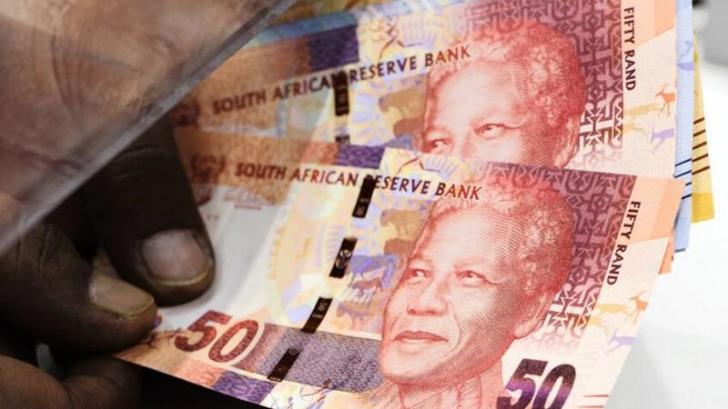
Lately, many South Africans have been scratching their heads at the recent relative strength of the rand against the US dollar. The currency has dipped below key psychological levels not seen in years, and headlines are filled with talk of a "stronger rand." But before we start celebrating, it's worth unpacking what this actually means — and separating fact from conspiracy theory.
At face value, the Rand's gains may seem impressive. After languishing at weak levels against the dollar, it appreciated notably through 2025 and into early 2026, buoyed by factors like improved investor sentiment, precious metal price rallies, and softer US dollar conditions following dovish signals from Federal Reserve officials. In early January, the rand appreciated against the dollar as markets priced in possible US rate cuts, reinforcing this trend.
But here's the critical nuance: when we dig deeper into the data, the "strength" is relative. Analyses show that the rand's gains against the dollar primarily reflect a weakening US currency rather than robust underlying improvement in South Africa's own economy. Against other major currencies such as the euro and the pound, the rand has remained comparatively weak — suggesting that it's the dollar's struggles, not a sudden surge in local economic might, driving some of the headline appreciation.
Understanding this context is crucial before leaping to more conspiratorial explanations — like the idea that "white capitalists" are colluding to pump up the rand so they can move money offshore and convert to US dollars at better rates. While it's true that financial markets have actors with competing interests, the notion of a coordinated plot involving segments of the capitalist class manipulating the rand for private gain is not supported by current evidence.
Yes, South Africa has a documented history of manipulation allegations. In 2023, Standard Chartered admitted to manipulating the rand-dollar exchange rate in past years resulting in a fine, and banks have faced lengthy investigations over alleged collusion in the foreign exchange market.
But these historic cases centered on specific transactions and periods, not a widescale scheme to engineer the currency's value today. Moreover, the National Treasury has stated that bank collusion had no material effect on the rand's broader valuation in recent years.
Modern exchange rates are driven by complex, interconnected factors. Commodity prices play a big role, for instance. South Africa is a major exporter of precious metals like gold and platinum, and surging prices increase foreign exchange earnings, which can lend support to the rand.
Meanwhile, macroeconomic signals — such as a lowered inflation target or consistent monetary policy — can attract foreign capital and strengthen sentiment around the currency.
Political uncertainty, global risk sentiment, and US monetary policy all play a part too. A weaker US dollar — often triggered by expectations of rate cuts or softer economic data — tends to lift emerging market currencies like the rand. In that sense, the recent rand movements are more a reflection of global currency dynamics than any domestically engineered plot.
So why do some people cling to narratives of collusion and "white capitalist" machinations? Part of it comes from real frustration with inequality and economic exclusion in South Africa. Many ordinary citizens feel left behind while elites benefit from capital flight and global market arbitrage. There's also the memory of past banking scandals, which fuels distrust. But suspicion alone doesn't equate to evidence.
The truth is less conspiratorial but no less challenging: South Africa's currency markets react to global capital flows, commodity prices, geopolitical shifts, and macroeconomic fundamentals. A strong currency isn't always a sign of a healthy economy; sometimes it simply reflects external currency pressures, like a weak US dollar, rather than meaningful domestic improvement.
If real strength is what we want, it must be built on sustainable economic growth, policy stability, and increased investor confidence — not by chasing narratives that oversimplify complex market realities. Only then can discussions about currency moves feel grounded in evidence rather than speculation.
At face value, the Rand's gains may seem impressive. After languishing at weak levels against the dollar, it appreciated notably through 2025 and into early 2026, buoyed by factors like improved investor sentiment, precious metal price rallies, and softer US dollar conditions following dovish signals from Federal Reserve officials. In early January, the rand appreciated against the dollar as markets priced in possible US rate cuts, reinforcing this trend.
But here's the critical nuance: when we dig deeper into the data, the "strength" is relative. Analyses show that the rand's gains against the dollar primarily reflect a weakening US currency rather than robust underlying improvement in South Africa's own economy. Against other major currencies such as the euro and the pound, the rand has remained comparatively weak — suggesting that it's the dollar's struggles, not a sudden surge in local economic might, driving some of the headline appreciation.
Understanding this context is crucial before leaping to more conspiratorial explanations — like the idea that "white capitalists" are colluding to pump up the rand so they can move money offshore and convert to US dollars at better rates. While it's true that financial markets have actors with competing interests, the notion of a coordinated plot involving segments of the capitalist class manipulating the rand for private gain is not supported by current evidence.
Yes, South Africa has a documented history of manipulation allegations. In 2023, Standard Chartered admitted to manipulating the rand-dollar exchange rate in past years resulting in a fine, and banks have faced lengthy investigations over alleged collusion in the foreign exchange market.
But these historic cases centered on specific transactions and periods, not a widescale scheme to engineer the currency's value today. Moreover, the National Treasury has stated that bank collusion had no material effect on the rand's broader valuation in recent years.
Meanwhile, macroeconomic signals — such as a lowered inflation target or consistent monetary policy — can attract foreign capital and strengthen sentiment around the currency.
Political uncertainty, global risk sentiment, and US monetary policy all play a part too. A weaker US dollar — often triggered by expectations of rate cuts or softer economic data — tends to lift emerging market currencies like the rand. In that sense, the recent rand movements are more a reflection of global currency dynamics than any domestically engineered plot.
So why do some people cling to narratives of collusion and "white capitalist" machinations? Part of it comes from real frustration with inequality and economic exclusion in South Africa. Many ordinary citizens feel left behind while elites benefit from capital flight and global market arbitrage. There's also the memory of past banking scandals, which fuels distrust. But suspicion alone doesn't equate to evidence.
The truth is less conspiratorial but no less challenging: South Africa's currency markets react to global capital flows, commodity prices, geopolitical shifts, and macroeconomic fundamentals. A strong currency isn't always a sign of a healthy economy; sometimes it simply reflects external currency pressures, like a weak US dollar, rather than meaningful domestic improvement.
If real strength is what we want, it must be built on sustainable economic growth, policy stability, and increased investor confidence — not by chasing narratives that oversimplify complex market realities. Only then can discussions about currency moves feel grounded in evidence rather than speculation.
Source - online
All articles and letters published on Bulawayo24 have been independently written by members of Bulawayo24's community. The views of users published on Bulawayo24 are therefore their own and do not necessarily represent the views of Bulawayo24. Bulawayo24 editors also reserve the right to edit or delete any and all comments received.
Join the discussion
Loading comments…





