Opinion / Columnist
Mutumwa Mawere: the man who quietly shaped my writing skills
17 Jan 2026 at 12:27hrs |
0 Views
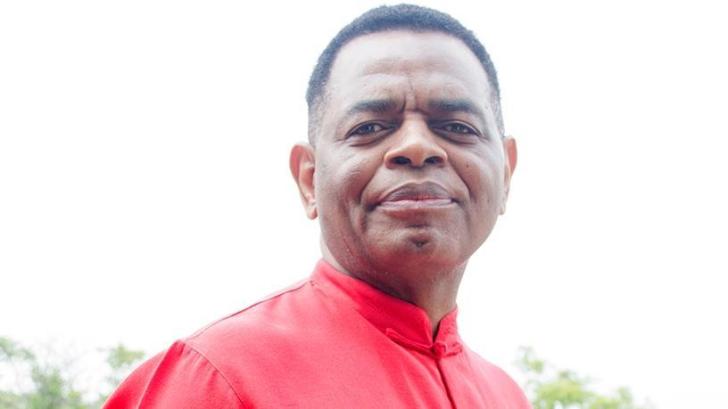
Sadly, we often reflect only after someone is gone.
The passing of Mutumwa Mawere on 15 January 2026 in South Africa, where he had lived in exile after falling out with Zimbabwe’s top leadership, has prompted many tributes.
Most have understandably focused on his business legacy, his intellectual contributions, or aspects of his personal life.
I choose a different path.
I write not about the tycoon, the academic, or the public figure - but about the man who touched my life in a deeply personal and unexpected way, and whose influence helped shape the writer I am today.
My social justice writing journey began long before most people ever knew my name.
In 1991, while I was still a Lower Six student at Kwekwe High School, I wrote a column titled "The Un-Oppressed Mind" in a local newspaper, Midweek News.
Even at that young age, I was consistent and deeply passionate about speaking truth to power and being a voice for the voiceless.
It was only later, after leaving school - when I became absorbed in hard news as a trained journalist, and subsequently moved into the corporate world - that my writing became intermittent and was eventually set aside altogether.
Other pursuits took precedence, and my social justice writing went into hibernation for several years.
It was only in 2015 that I made a deliberate decision to take social justice advocacy seriously.
Slowly, my writing began to find its feet and its audience - within Zimbabwe and, perhaps more significantly, among Zimbabweans in the diaspora.
Still, in those early years, recognition was scarce.
In fact, apart from the late Dumiso Dabengwa - who was among the very first prominent figures to engage with my work and who even met with me often when I was still largely unknown - there was little interest from people of stature.
Few prominent figures showed interest in my work.
Compared to today - when my writing has been acknowledged by many well-known individuals, some of whom I now count as close associates - that period was marked largely by silence.
That is why it remains so remarkable to me that one of the very first prominent people to reach out was Mutumwa Mawere.
When I first received his message, I genuinely did not believe it was him.
I suspected a prank, or worse, a scam.
It seemed improbable that someone of his stature would be reading my work, let alone contacting me.
But as our communication continued, it became clear that it was indeed Mutumwa Mawere.
Initially, his interest was straightforward.
He wanted my help in giving prominence to his legal battles with various players whom he believed had unfairly deprived him of his business interests.
He sent me volumes of legal documents - cases still before the courts and others long concluded.
I was overwhelmed.
More than that, I was conflicted.
I responded honestly and humbly.
I told him I was deeply honoured that he would consider me worthy of such a task, but I could not take it on.
I feared that doing so would compromise my independence and make it appear as though I was fighting one man’s personal battles.
My commitment was, and remains, to broader social justice, not individual causes - no matter how compelling they may be.
I fully expected that this refusal would offend him and end our interaction.
It did not.
To my surprise, our contact continued.
Not only that - he began sharing my articles across various platforms.
I was stunned.
Here was someone who owed me nothing, who had every reason to walk away, yet chose instead to support my work without conditions.
Then came the most unexpected chapter of our relationship.
Mutumwa Mawere became, in effect, my unofficial editor and mentor.
Almost immediately after I published an article, my phone would buzz.
He would point out factual inaccuracies, challenge a line of reasoning he felt was weak, or question assumptions I had made too casually.
He pushed me - relentlessly - to think deeper, to interrogate issues more rigorously, and to research more thoroughly before committing words to print.
Through him, I learned to sharpen my analytical lenses, to look beyond the obvious, and to approach complex issues with greater intellectual discipline.
He helped me see angles I had previously missed and encouraged me to resist the temptation of convenient narratives.
What I admired most was his honesty.
He was never polite for the sake of politeness.
If he thought a point was flawed, he said so - plainly and sometimes brutally.
Yet it was never malicious.
It was driven by a genuine desire to see me grow.
I must confess: at first, I struggled with his candid approach.
I took exception to it.
I even suspected that he was trying to steer my thinking to align with his own perspectives.
But as our interactions continued, it became clear that this was not about control or influence.
It was about excellence.
He saw something in my writing that I had not fully seen myself.
His aim was not to mould me into a mouthpiece, but to help polish what he believed was already there.
In time, I came to appreciate the discipline he instilled and the confidence he quietly nurtured.
Among the many people - some prominent, others unknown - who have helped me navigate and master the art of writing, Mutumwa Mawere stands near the very top.
His impact on my intellectual growth is undeniable.
Although we had not been in close contact in recent years, the value of what he gave me never diminished.
His influence remains embedded in how I think, how I analyse, and how I write.
That is how I choose to remember Mutumwa Mawere.
Not merely as a businessman or a controversial figure, but as a humble man who, despite facing immense personal challenges of his own, was willing to go the extra mile for someone else.
A man who invested in others quietly, without seeking credit or loyalty.
Rest in peace, Mutumwa Mawere.
Your imprint on my life and my work endures.
You will forever be treasured.
© Tendai Ruben Mbofana is a social justice advocate and writer. Please feel free to WhatsApp or Call: +263715667700 | +263782283975, or email: mbofana.tendairuben73@gmail.com, or visit website: https://mbofanatendairuben.news.blog/
The passing of Mutumwa Mawere on 15 January 2026 in South Africa, where he had lived in exile after falling out with Zimbabwe’s top leadership, has prompted many tributes.
Most have understandably focused on his business legacy, his intellectual contributions, or aspects of his personal life.
I choose a different path.
I write not about the tycoon, the academic, or the public figure - but about the man who touched my life in a deeply personal and unexpected way, and whose influence helped shape the writer I am today.
My social justice writing journey began long before most people ever knew my name.
In 1991, while I was still a Lower Six student at Kwekwe High School, I wrote a column titled "The Un-Oppressed Mind" in a local newspaper, Midweek News.
Even at that young age, I was consistent and deeply passionate about speaking truth to power and being a voice for the voiceless.
It was only later, after leaving school - when I became absorbed in hard news as a trained journalist, and subsequently moved into the corporate world - that my writing became intermittent and was eventually set aside altogether.
Other pursuits took precedence, and my social justice writing went into hibernation for several years.
It was only in 2015 that I made a deliberate decision to take social justice advocacy seriously.
Slowly, my writing began to find its feet and its audience - within Zimbabwe and, perhaps more significantly, among Zimbabweans in the diaspora.
Still, in those early years, recognition was scarce.
In fact, apart from the late Dumiso Dabengwa - who was among the very first prominent figures to engage with my work and who even met with me often when I was still largely unknown - there was little interest from people of stature.
Few prominent figures showed interest in my work.
Compared to today - when my writing has been acknowledged by many well-known individuals, some of whom I now count as close associates - that period was marked largely by silence.
That is why it remains so remarkable to me that one of the very first prominent people to reach out was Mutumwa Mawere.
When I first received his message, I genuinely did not believe it was him.
I suspected a prank, or worse, a scam.
It seemed improbable that someone of his stature would be reading my work, let alone contacting me.
But as our communication continued, it became clear that it was indeed Mutumwa Mawere.
Initially, his interest was straightforward.
He wanted my help in giving prominence to his legal battles with various players whom he believed had unfairly deprived him of his business interests.
He sent me volumes of legal documents - cases still before the courts and others long concluded.
I was overwhelmed.
More than that, I was conflicted.
I responded honestly and humbly.
I told him I was deeply honoured that he would consider me worthy of such a task, but I could not take it on.
I feared that doing so would compromise my independence and make it appear as though I was fighting one man’s personal battles.
My commitment was, and remains, to broader social justice, not individual causes - no matter how compelling they may be.
I fully expected that this refusal would offend him and end our interaction.
It did not.
To my surprise, our contact continued.
Not only that - he began sharing my articles across various platforms.
I was stunned.
Here was someone who owed me nothing, who had every reason to walk away, yet chose instead to support my work without conditions.
Then came the most unexpected chapter of our relationship.
Mutumwa Mawere became, in effect, my unofficial editor and mentor.
Almost immediately after I published an article, my phone would buzz.
He would point out factual inaccuracies, challenge a line of reasoning he felt was weak, or question assumptions I had made too casually.
He pushed me - relentlessly - to think deeper, to interrogate issues more rigorously, and to research more thoroughly before committing words to print.
Through him, I learned to sharpen my analytical lenses, to look beyond the obvious, and to approach complex issues with greater intellectual discipline.
He helped me see angles I had previously missed and encouraged me to resist the temptation of convenient narratives.
What I admired most was his honesty.
He was never polite for the sake of politeness.
If he thought a point was flawed, he said so - plainly and sometimes brutally.
Yet it was never malicious.
It was driven by a genuine desire to see me grow.
I must confess: at first, I struggled with his candid approach.
I took exception to it.
I even suspected that he was trying to steer my thinking to align with his own perspectives.
But as our interactions continued, it became clear that this was not about control or influence.
It was about excellence.
He saw something in my writing that I had not fully seen myself.
His aim was not to mould me into a mouthpiece, but to help polish what he believed was already there.
In time, I came to appreciate the discipline he instilled and the confidence he quietly nurtured.
Among the many people - some prominent, others unknown - who have helped me navigate and master the art of writing, Mutumwa Mawere stands near the very top.
His impact on my intellectual growth is undeniable.
Although we had not been in close contact in recent years, the value of what he gave me never diminished.
His influence remains embedded in how I think, how I analyse, and how I write.
That is how I choose to remember Mutumwa Mawere.
Not merely as a businessman or a controversial figure, but as a humble man who, despite facing immense personal challenges of his own, was willing to go the extra mile for someone else.
A man who invested in others quietly, without seeking credit or loyalty.
Rest in peace, Mutumwa Mawere.
Your imprint on my life and my work endures.
You will forever be treasured.
© Tendai Ruben Mbofana is a social justice advocate and writer. Please feel free to WhatsApp or Call: +263715667700 | +263782283975, or email: mbofana.tendairuben73@gmail.com, or visit website: https://mbofanatendairuben.news.blog/
Source - Tendai Ruben Mbofana
All articles and letters published on Bulawayo24 have been independently written by members of Bulawayo24's community. The views of users published on Bulawayo24 are therefore their own and do not necessarily represent the views of Bulawayo24. Bulawayo24 editors also reserve the right to edit or delete any and all comments received.
Join the discussion
Loading comments…



