Opinion / Columnist
Zimbabwe is simply run by the wrong people
23 Jan 2026 at 12:03hrs |
0 Views
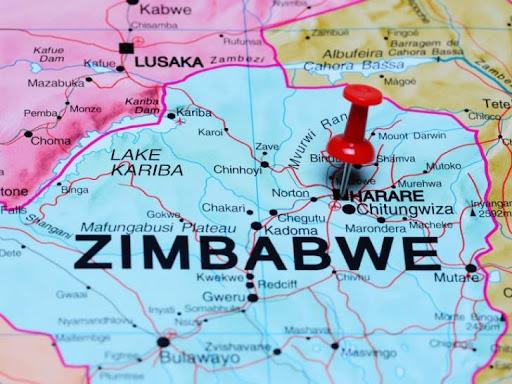
Zimbabwe is not a complicated country to govern.
It does not suffer from a lack of natural resources, human capital, or strategic advantage.
What it suffers from is a chronic shortage of competent leadership.
For decades, the country has been run as if political survival and liberation war credentials are qualifications for economic management, institutional governance and national development.
They are not.
Going to war, however heroic, does not automatically confer the skills required to run a modern state. Running a country demands technical knowledge, administrative competence, ethical leadership and a deep understanding of economics, law, public finance, and global systems.
The uncomfortable truth is that Zimbabwe is governed largely by people who would struggle to qualify for senior management positions in the very institutions they oversee.
Ask a simple question! What qualifications does your Member of Parliament hold? Where have they worked? What organisations have they successfully managed? In many cases, the answers are either unclear or deeply worrying. Few have meaningful experience in running complex organisations, balancing budgets, creating jobs, or delivering measurable outcomes.
Yet these are the very people entrusted with shaping national policy, approving billion-dollar budgets, and holding executive power.
This is not an attack on individuals; it is an indictment of a political culture that rewards loyalty over competence and history over ability.
Meanwhile, Zimbabwe's most capable professionals, economists, engineers, doctors, academics, technocrats, entrepreneurs and policy experts, have either left the country or retreated into private life.
Some watch from the sidelines, convinced that politics is too dirty, too dangerous or too futile. Others hope that “someone else” will step forward to fix the mess.
That silence has been costly. A vacuum of leadership does not remain empty for long. When capable people step back, mediocrity steps forward.
When professionals disengage, opportunists capture institutions. And when citizens stop demanding competence, incompetence becomes normalised.
Zimbabwe does not need saviours. It needs systems run by qualified people.
The country needs legislators who understand legislation.
It needs ministers who have actually worked in the sectors they lead.
It needs local authorities run by planners, engineers, and administrators who understand urban management.
It needs an economic policy designed by economists, not slogans.
It needs health systems overseen by healthcare professionals, not political appointees.
Most importantly, it needs a cultural shift, away from personality politics and toward professional governance.
The time has come for Zimbabwe's professionals to flood political and civic structures.
Not as cheerleaders.
Not as advisers on the margins. But as participants, candidates, policymakers, and institutional leaders.
The skills that build companies, hospitals, universities, and industries are the same skills required to rebuild a nation.
Politics cannot be left to the least qualified simply because the most qualified are uncomfortable with it.
Something must change, and that change will not come from those who benefit from the current disorder.
It will only come when competence becomes non-negotiable and when citizens demand not slogans, but skills, track records and results.
Zimbabwe is simple to run.
What has been missing is the courage to insist that those who run it actually know how.
It does not suffer from a lack of natural resources, human capital, or strategic advantage.
What it suffers from is a chronic shortage of competent leadership.
For decades, the country has been run as if political survival and liberation war credentials are qualifications for economic management, institutional governance and national development.
They are not.
Going to war, however heroic, does not automatically confer the skills required to run a modern state. Running a country demands technical knowledge, administrative competence, ethical leadership and a deep understanding of economics, law, public finance, and global systems.
The uncomfortable truth is that Zimbabwe is governed largely by people who would struggle to qualify for senior management positions in the very institutions they oversee.
Ask a simple question! What qualifications does your Member of Parliament hold? Where have they worked? What organisations have they successfully managed? In many cases, the answers are either unclear or deeply worrying. Few have meaningful experience in running complex organisations, balancing budgets, creating jobs, or delivering measurable outcomes.
Yet these are the very people entrusted with shaping national policy, approving billion-dollar budgets, and holding executive power.
This is not an attack on individuals; it is an indictment of a political culture that rewards loyalty over competence and history over ability.
Meanwhile, Zimbabwe's most capable professionals, economists, engineers, doctors, academics, technocrats, entrepreneurs and policy experts, have either left the country or retreated into private life.
Some watch from the sidelines, convinced that politics is too dirty, too dangerous or too futile. Others hope that “someone else” will step forward to fix the mess.
That silence has been costly. A vacuum of leadership does not remain empty for long. When capable people step back, mediocrity steps forward.
When professionals disengage, opportunists capture institutions. And when citizens stop demanding competence, incompetence becomes normalised.
The country needs legislators who understand legislation.
It needs ministers who have actually worked in the sectors they lead.
It needs local authorities run by planners, engineers, and administrators who understand urban management.
It needs an economic policy designed by economists, not slogans.
It needs health systems overseen by healthcare professionals, not political appointees.
Most importantly, it needs a cultural shift, away from personality politics and toward professional governance.
The time has come for Zimbabwe's professionals to flood political and civic structures.
Not as cheerleaders.
Not as advisers on the margins. But as participants, candidates, policymakers, and institutional leaders.
The skills that build companies, hospitals, universities, and industries are the same skills required to rebuild a nation.
Politics cannot be left to the least qualified simply because the most qualified are uncomfortable with it.
Something must change, and that change will not come from those who benefit from the current disorder.
It will only come when competence becomes non-negotiable and when citizens demand not slogans, but skills, track records and results.
Zimbabwe is simple to run.
What has been missing is the courage to insist that those who run it actually know how.
Source - Engineer Jacob Kudzayi Mutisi
All articles and letters published on Bulawayo24 have been independently written by members of Bulawayo24's community. The views of users published on Bulawayo24 are therefore their own and do not necessarily represent the views of Bulawayo24. Bulawayo24 editors also reserve the right to edit or delete any and all comments received.
Join the discussion
Loading comments…



