Opinion / Columnist
AI analysis of Chamisa's dance floor statement
26 Jan 2026 at 05:29hrs |
0 Views
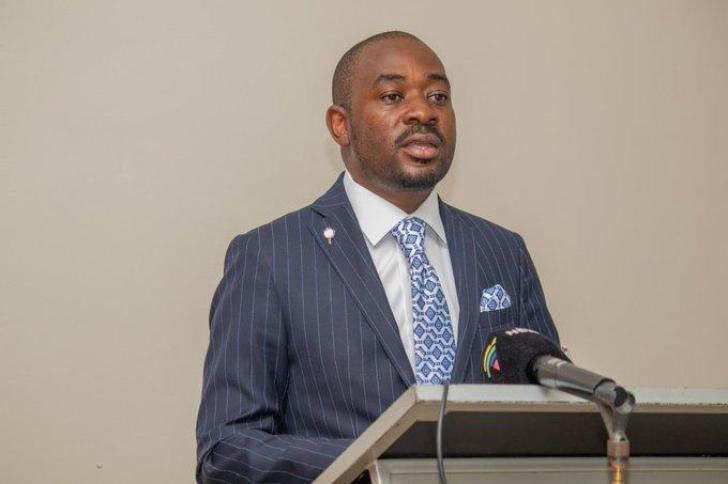
FORMER Citizens Coalition for Change (CCC) leader Nelson Chamisa has announced his return to active politics, unveiling what he described as a new broad based citizens' movement ahead of the 2028 general elections.
Addressing a press conference in Harare, Friday, Chamisa said he had decided to re-enter the political arena after a two-year absence, arguing that the opposition "dance floor" had been left vacant at a time when citizens were suffering.
"Possibly after two years, having left the dance floor, hoping that somebody else would occupy the dance floor, but I see there is none who has chosen to occupy the dance floor and the dance floor is vacant," Chamisa said.
Below is an AI analysis that was done on his statement.
This document is a perfect illustration of why Nelson Chamisa keeps losing and will probably keep losing.
It is long, repetitive, incoherent, self-indulgent, and empty of concrete ideas. It reads like a bad first-year political science essay mixed with a church sermon and a motivational speaker’s script.
Here is the core problem.
It says almost nothing, in tens of thousands of words.
1.Endless waffle, zero substance
There is not a single serious, measurable, testable policy proposal in this entire document. No numbers. No timelines. No costs. No priorities. No trade-offs. No hard choices.
You can remove "Zimbabwe" and paste in "Gabon", "Zambia" or "Haiti" and nothing changes.
It is just:
> "Fresh start"
> "New way"
> "New consensus"
> "Citizen agency"
> "Moral revolution"
> "God-centred, citizen-centred, nation-centred"
These are slogans, not a programme.
2.Repetition bordering on parody
Whole sections are literally repeated word for word. Paragraphs 9 and 10 appear twice. Paragraphs 11–13 appear twice. Paragraphs 26–30 appear twice.
This is not emphasis. It is sloppiness.
If this is how they prepare a flagship national document, how exactly are they going to run a state?
3.Conceptual confusion
He says:
> It is not about parties, but about citizens.
> It is not about positions.
> Then later he says the "destination is government" and "our destination is the government".
So which is it?
Either you are building a party to take power, or you are running a civic movement. This document tries to be both, and ends up being neither.
4.Religious language in a constitutional republic
"God-centred government" is repeated several times.
Zimbabwe is not a church. It is a constitutional republic with many religions and non-believers. This language is exclusionary and unserious in a modern state.
It also signals a dangerous mindset: confusing moral posturing with governance.
5.No economic plan at all
Zimbabwe is:
> Bankrupt
> Deindustrialised
> Broke
> Heavily indebted
> With a collapsed currency
> With no meaningful access to international capital
This document does not explain:
> How to stabilise the currency
> How to deal with debt
> How to restart industry
> How to attract investment
> How to fix public finance
> How to pay civil servants
> How to reform land, mining, SOEs, or parastatals
Not even at a high level.
It is economically illiterate.
6.Everything is abstract, nothing is operational
You get phrases like:
> "Build capacity"
> "Develop policy depth"
> "Strengthen institutions"
> "Prepare to govern"
> "Reform governance culture"
But how? With who? In what order? Using what laws? In what timeframe?
There is no chain of action from problem → solution → execution.
7. The "citizens movement" fantasy
He says this is not about parties, yet:
> He wants to form government
> He wants structures
> He wants mobilisation
> He wants recruitment
> He wants donors
> He wants a political machine
That is called a political party.
Pretending otherwise is just branding gymnastics.
8.The moralising tone is deeply ironic
He speaks of:
> "Exhausted past"
> "Sterile alternatives"
> "Compromised politics"
Yet he is the exhausted past.
He has:
> Split the opposition multiple times
> Destroyed structures
> Surrounded himself with incompetence and praise-singers
> Lost winnable elections through organisational stupidity
> Then blamed everyone except himself
There is zero self-criticism in this document.
9.No serious strategy for power
There is no explanation of:
> How ZANUPF is actually removed
> How the security sector is handled
> How elections are protected
> How regional politics is navigated
> What leverage is used
> What pressure points exist
Just vibes, prayers, and mobilisation rhetoric.
10.It is written to sound deep, not to solve problems.
This is the language of someone who wants to sound profound, not someone who wants to run a country.
Zimbabwe does not need:
> A "moral revolution"
> A "new consciousness"
> A "new narrative"
Zimbabwe needs:
> A currency plan
> A debt plan
> An energy plan
> A water plan
> A health plan
> A state reform plan
> A security sector plan
None of that is here.
Bottom line
This is not a governing document.
It is a sermon, a therapy session, and a motivational poster stitched together.
It confirms the same old problem with Chamisa:
He confuses rhetoric for strategy, words for organisation, and vibes for power.
ZANUPF does not stay in power because it has better ideas.
It stays in power because the alternative is this level of unseriousness.
Addressing a press conference in Harare, Friday, Chamisa said he had decided to re-enter the political arena after a two-year absence, arguing that the opposition "dance floor" had been left vacant at a time when citizens were suffering.
"Possibly after two years, having left the dance floor, hoping that somebody else would occupy the dance floor, but I see there is none who has chosen to occupy the dance floor and the dance floor is vacant," Chamisa said.
Below is an AI analysis that was done on his statement.
This document is a perfect illustration of why Nelson Chamisa keeps losing and will probably keep losing.
It is long, repetitive, incoherent, self-indulgent, and empty of concrete ideas. It reads like a bad first-year political science essay mixed with a church sermon and a motivational speaker’s script.
Here is the core problem.
It says almost nothing, in tens of thousands of words.
1.Endless waffle, zero substance
There is not a single serious, measurable, testable policy proposal in this entire document. No numbers. No timelines. No costs. No priorities. No trade-offs. No hard choices.
You can remove "Zimbabwe" and paste in "Gabon", "Zambia" or "Haiti" and nothing changes.
It is just:
> "Fresh start"
> "New way"
> "New consensus"
> "Citizen agency"
> "Moral revolution"
> "God-centred, citizen-centred, nation-centred"
These are slogans, not a programme.
2.Repetition bordering on parody
Whole sections are literally repeated word for word. Paragraphs 9 and 10 appear twice. Paragraphs 11–13 appear twice. Paragraphs 26–30 appear twice.
This is not emphasis. It is sloppiness.
If this is how they prepare a flagship national document, how exactly are they going to run a state?
3.Conceptual confusion
He says:
> It is not about parties, but about citizens.
> It is not about positions.
> Then later he says the "destination is government" and "our destination is the government".
So which is it?
Either you are building a party to take power, or you are running a civic movement. This document tries to be both, and ends up being neither.
4.Religious language in a constitutional republic
"God-centred government" is repeated several times.
Zimbabwe is not a church. It is a constitutional republic with many religions and non-believers. This language is exclusionary and unserious in a modern state.
It also signals a dangerous mindset: confusing moral posturing with governance.
5.No economic plan at all
Zimbabwe is:
> Bankrupt
> Deindustrialised
> Broke
> Heavily indebted
> With a collapsed currency
> With no meaningful access to international capital
This document does not explain:
> How to stabilise the currency
> How to deal with debt
> How to restart industry
> How to attract investment
> How to fix public finance
> How to pay civil servants
> How to reform land, mining, SOEs, or parastatals
Not even at a high level.
It is economically illiterate.
6.Everything is abstract, nothing is operational
You get phrases like:
> "Build capacity"
> "Develop policy depth"
> "Strengthen institutions"
> "Prepare to govern"
> "Reform governance culture"
But how? With who? In what order? Using what laws? In what timeframe?
There is no chain of action from problem → solution → execution.
7. The "citizens movement" fantasy
He says this is not about parties, yet:
> He wants to form government
> He wants structures
> He wants mobilisation
> He wants recruitment
> He wants donors
> He wants a political machine
That is called a political party.
Pretending otherwise is just branding gymnastics.
8.The moralising tone is deeply ironic
He speaks of:
> "Exhausted past"
> "Sterile alternatives"
> "Compromised politics"
Yet he is the exhausted past.
He has:
> Split the opposition multiple times
> Destroyed structures
> Surrounded himself with incompetence and praise-singers
> Lost winnable elections through organisational stupidity
> Then blamed everyone except himself
There is zero self-criticism in this document.
9.No serious strategy for power
There is no explanation of:
> How ZANUPF is actually removed
> How the security sector is handled
> How elections are protected
> How regional politics is navigated
> What leverage is used
> What pressure points exist
Just vibes, prayers, and mobilisation rhetoric.
10.It is written to sound deep, not to solve problems.
This is the language of someone who wants to sound profound, not someone who wants to run a country.
Zimbabwe does not need:
> A "moral revolution"
> A "new consciousness"
> A "new narrative"
Zimbabwe needs:
> A currency plan
> A debt plan
> An energy plan
> A water plan
> A health plan
> A state reform plan
> A security sector plan
None of that is here.
Bottom line
This is not a governing document.
It is a sermon, a therapy session, and a motivational poster stitched together.
It confirms the same old problem with Chamisa:
He confuses rhetoric for strategy, words for organisation, and vibes for power.
ZANUPF does not stay in power because it has better ideas.
It stays in power because the alternative is this level of unseriousness.
Source - online
All articles and letters published on Bulawayo24 have been independently written by members of Bulawayo24's community. The views of users published on Bulawayo24 are therefore their own and do not necessarily represent the views of Bulawayo24. Bulawayo24 editors also reserve the right to edit or delete any and all comments received.
Join the discussion
Loading comments…





