Opinion / Columnist
Nelson Chamisa needs a spokesperson - and fast
27 Jan 2026 at 05:24hrs |
0 Views
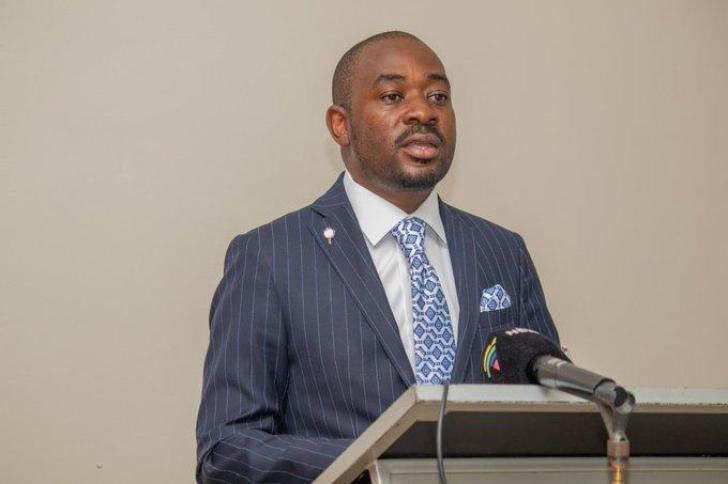
Leaders the world over - particularly politicians in power or those aspiring to govern - live permanently in the public spotlight. Daily, weekly and monthly, public relations agencies, spokespersons and reputation managers craft social media posts, press releases and media briefings to explain their principals' programmes, policies, projects, campaigns and initiatives.
In politics, a single wrong choice of words, an ethical misstep or an avoidable information leak can be deeply damaging - sometimes fatally so. All of this falls under the unforgiving terrain of political public relations.
This is what Zimbabwe's main opposition leader, Nelson Chamisa, needs to know, understand and remember.
For a long time now, Chamisa has operated without a spokesperson. His last official spokesperson was Dr Nkululeko Sibanda, during his leadership of the now-defunct MDC Alliance between 2018 and 2020. Since then, Chamisa has largely adopted a posture of strategic ambiguity, communicating directly with the public and the media rather than through a formal, designated spokesperson.
This approach mirrors his broader resistance to operating within an institutionalised political organisation - one with a constitution, office bearers, offices, structures, teamwork and accountability. Yet having a spokesperson is not optional. It is a fundamental element of organisational culture and political seriousness.
Following Chamisa's return to active politics last Friday, the cost of this absence became glaringly evident.
First, his press conference was hastily organised and chaotic.
Second, there was no clear plan for coverage or visibility across media platforms.
Third, there was no discernible agenda-setting, narrative framing, or message management.
As a result, Chamisa's return has been accompanied by negative coverage and critical reviews. This is less about media hostility or cynicism, and more about poor organisation, weak preparation and communication ineptitude.
Unsurprisingly, Chamisa himself appeared ill-prepared.
In an interview with South Africa's SABC, where he communicated directly with the media, he tripped over what should have been a simple and powerful opening moment. Anchor Thembekile Mrototo correctly introduced him as having made a "return to active politics" after "stepping aside" due to internal CCC turmoil.
Instead of using this as a clean entry point, Chamisa attempted to "correct" the presenter - and ensnared himself in unnecessary verbal gymnastics.
He insisted he was not "coming back" but "stepping back" after "stepping aside".
This was not nuance; it was jumbled sophistry.
To "step aside" means to withdraw or resign from an important position. To "step back" means to temporarily withdraw in order to reflect. Neither phrase means "return". Saying one is "stepping back" after "stepping aside" - while actively re-entering politics - is logically incoherent.
In trying to sound enlightened and sophisticated, Chamisa corrected a presenter who was, in fact, entirely right - producing a ridiculous dog's breakfast of an explanation.
Had this been the only misstep, it could easily be forgiven.
But it was not.
The document he released last Friday was riddled with careless repetition bordering on parody. Entire sections were duplicated word for word. Paragraphs 9 and 10 appeared twice. Paragraphs 11 to 13 appeared twice. Paragraphs 26 to 30 appeared twice.
This was not stylistic emphasis. It was sloppiness.
And in politics, such sloppiness often reflects gross organisational incompetence.
None of this negates the fact that Chamisa remains popular and, in many respects, the real deal. But popularity alone is not enough. He needs to learn - and learn fast - how to work with others. He must embrace teamwork, organisational culture, inclusivity and accountability.
If he wants to gain state power and govern, he needs a political party - not a nebulous, formless and shapeless entity. Power cannot be seized or exercised alone. Politics is not a one-man show. You cannot dance on the floor alone, surrounded only by cheerleaders.
It is better to have a team of rivals than to be surrounded by sycophants. Dismissing internal rivals as "vomit" is sinking into the gutter - and learning nothing from history.
One of history's most instructive examples is Abraham Lincoln. His political genius was best displayed during the American Civil War, when he appointed his fiercest rivals - William H. Seward, Salmon P. Chase and Edward Bates - to his cabinet. Lincoln believed their talents were essential to the nation's survival.
That decision demonstrated emotional intelligence, inclusivity and leadership. He transformed a divided group into a cohesive team that ultimately preserved the Union and abolished slavery. Lincoln wanted no "yes men". He accepted responsibility for failures and shared credit for successes.
That is leadership.
Teamwork makes the dream work.
Because public relations is central to political communication, Chamisa needs a spokesperson. Strategic communication is the lifeblood of dynamic, engaging and effective politics. Spokespersons keep a finger on the pulse, respond quickly to crises, manage narratives and generate positive attention.
Political communication bridges the gap between leaders and citizens. It shapes public opinion, influences voter behaviour, builds legitimacy and ensures accountability. It enables the exchange of ideas, coherence of policy and democratic participation.
A standout example is Barack Obama's 2008 presidential campaign. The "Yes We Can" slogan - a masterstroke of political PR - combined with a compelling narrative of hope and change, captured the imagination of Americans. It revitalised the Democratic Party and propelled Obama to history as the first Black President of the United States.
In politics, public relations is a strategic communication process that builds mutually beneficial relationships between leaders and the public. Image matters. Perception determines electoral outcomes.
Because politicians are constantly exposed to scrutiny, crises and slip-ups, they need spokespersons - not only for damage control, but to communicate clearly, intelligently and effectively, with sophistication rather than sophistry.
Through traditional media, social media and professional spokespersons, political communication creates the information environment that ultimately determines political success or failure.
In politics, a single wrong choice of words, an ethical misstep or an avoidable information leak can be deeply damaging - sometimes fatally so. All of this falls under the unforgiving terrain of political public relations.
This is what Zimbabwe's main opposition leader, Nelson Chamisa, needs to know, understand and remember.
For a long time now, Chamisa has operated without a spokesperson. His last official spokesperson was Dr Nkululeko Sibanda, during his leadership of the now-defunct MDC Alliance between 2018 and 2020. Since then, Chamisa has largely adopted a posture of strategic ambiguity, communicating directly with the public and the media rather than through a formal, designated spokesperson.
This approach mirrors his broader resistance to operating within an institutionalised political organisation - one with a constitution, office bearers, offices, structures, teamwork and accountability. Yet having a spokesperson is not optional. It is a fundamental element of organisational culture and political seriousness.
Following Chamisa's return to active politics last Friday, the cost of this absence became glaringly evident.
First, his press conference was hastily organised and chaotic.
Second, there was no clear plan for coverage or visibility across media platforms.
Third, there was no discernible agenda-setting, narrative framing, or message management.
As a result, Chamisa's return has been accompanied by negative coverage and critical reviews. This is less about media hostility or cynicism, and more about poor organisation, weak preparation and communication ineptitude.
Unsurprisingly, Chamisa himself appeared ill-prepared.
In an interview with South Africa's SABC, where he communicated directly with the media, he tripped over what should have been a simple and powerful opening moment. Anchor Thembekile Mrototo correctly introduced him as having made a "return to active politics" after "stepping aside" due to internal CCC turmoil.
Instead of using this as a clean entry point, Chamisa attempted to "correct" the presenter - and ensnared himself in unnecessary verbal gymnastics.
He insisted he was not "coming back" but "stepping back" after "stepping aside".
This was not nuance; it was jumbled sophistry.
To "step aside" means to withdraw or resign from an important position. To "step back" means to temporarily withdraw in order to reflect. Neither phrase means "return". Saying one is "stepping back" after "stepping aside" - while actively re-entering politics - is logically incoherent.
In trying to sound enlightened and sophisticated, Chamisa corrected a presenter who was, in fact, entirely right - producing a ridiculous dog's breakfast of an explanation.
Had this been the only misstep, it could easily be forgiven.
But it was not.
The document he released last Friday was riddled with careless repetition bordering on parody. Entire sections were duplicated word for word. Paragraphs 9 and 10 appeared twice. Paragraphs 11 to 13 appeared twice. Paragraphs 26 to 30 appeared twice.
This was not stylistic emphasis. It was sloppiness.
And in politics, such sloppiness often reflects gross organisational incompetence.
None of this negates the fact that Chamisa remains popular and, in many respects, the real deal. But popularity alone is not enough. He needs to learn - and learn fast - how to work with others. He must embrace teamwork, organisational culture, inclusivity and accountability.
If he wants to gain state power and govern, he needs a political party - not a nebulous, formless and shapeless entity. Power cannot be seized or exercised alone. Politics is not a one-man show. You cannot dance on the floor alone, surrounded only by cheerleaders.
It is better to have a team of rivals than to be surrounded by sycophants. Dismissing internal rivals as "vomit" is sinking into the gutter - and learning nothing from history.
One of history's most instructive examples is Abraham Lincoln. His political genius was best displayed during the American Civil War, when he appointed his fiercest rivals - William H. Seward, Salmon P. Chase and Edward Bates - to his cabinet. Lincoln believed their talents were essential to the nation's survival.
That decision demonstrated emotional intelligence, inclusivity and leadership. He transformed a divided group into a cohesive team that ultimately preserved the Union and abolished slavery. Lincoln wanted no "yes men". He accepted responsibility for failures and shared credit for successes.
That is leadership.
Teamwork makes the dream work.
Because public relations is central to political communication, Chamisa needs a spokesperson. Strategic communication is the lifeblood of dynamic, engaging and effective politics. Spokespersons keep a finger on the pulse, respond quickly to crises, manage narratives and generate positive attention.
Political communication bridges the gap between leaders and citizens. It shapes public opinion, influences voter behaviour, builds legitimacy and ensures accountability. It enables the exchange of ideas, coherence of policy and democratic participation.
A standout example is Barack Obama's 2008 presidential campaign. The "Yes We Can" slogan - a masterstroke of political PR - combined with a compelling narrative of hope and change, captured the imagination of Americans. It revitalised the Democratic Party and propelled Obama to history as the first Black President of the United States.
In politics, public relations is a strategic communication process that builds mutually beneficial relationships between leaders and the public. Image matters. Perception determines electoral outcomes.
Because politicians are constantly exposed to scrutiny, crises and slip-ups, they need spokespersons - not only for damage control, but to communicate clearly, intelligently and effectively, with sophistication rather than sophistry.
Through traditional media, social media and professional spokespersons, political communication creates the information environment that ultimately determines political success or failure.
Source - online
All articles and letters published on Bulawayo24 have been independently written by members of Bulawayo24's community. The views of users published on Bulawayo24 are therefore their own and do not necessarily represent the views of Bulawayo24. Bulawayo24 editors also reserve the right to edit or delete any and all comments received.
Join the discussion
Loading comments…





