Opinion / Columnist
Zimbabwean police overpolice foreign registered vehicles
09 Feb 2026 at 04:37hrs |
0 Views
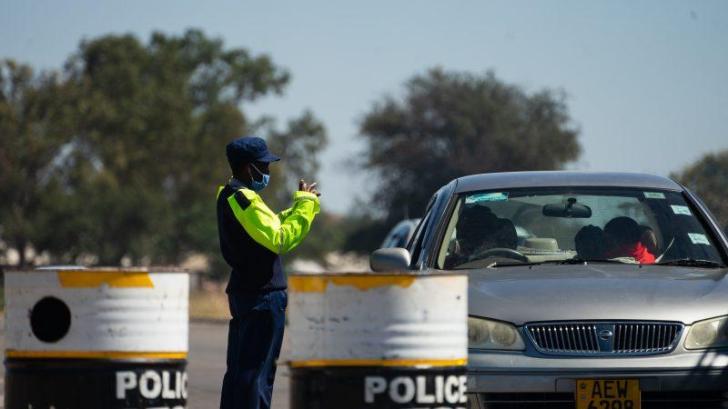
Last year, I travelled extensively across Zimbabwe using two different vehicles: one registered in Zimbabwe, the other in South Africa. The contrast in treatment was impossible to ignore. When driving the Zimbabwean vehicle, I passed through the country with ease, rarely stopped at roadblocks. But when I used the South African-registered car, I was stopped at virtually every roadblock, asked to produce registration papers and Temporary Import Permits, only to be waved through once the officers recognised me.
This is not unique to Zimbabwe. The same kind of harassment is common in Mozambique, and it is precisely why I stopped doing my once-a-year road trip from Johannesburg to Mozambique. The experience has consequences. I will also never again drive my South African vehicles into Zimbabwe. That decision means I will not be spending money at fuel stations, restaurants, lodges and rest points along routes such as the Masvingo road. Now imagine how many other South Africans make the same calculation—and simply choose not to cross the border at all.
This is a serious missed opportunity.
In the early 1990s, before sanctions and economic decline took their toll, Zimbabwe was a major overland tourism corridor. South African vehicles towing caravans, trailers and boats were a common sight on our highways. Families drove through Zimbabwe en route to holiday destinations, stopping along the way, spending money, and experiencing the country beyond the major cities.
Today, that picture has all but disappeared. Yet South Africa still has a massive market of campers, hikers, bikers and caravan enthusiasts—people who prefer road travel, who stay longer, and who spend money directly in local communities. These are exactly the kinds of tourists Zimbabwe should be courting. Instead, our policing methods are pushing them away.
If Zimbabwe is serious about attracting both local and foreign overland tourism, then the way we police our roads must change. Excessive roadblocks, selective targeting of foreign-registered vehicles, and intrusive interrogations do not create a welcoming environment. They create anxiety, resentment and, ultimately, avoidance.
Zimbabwe is not a police state, and it should not feel like one to those travelling through it. Effective road policing does not require draconian tactics. Other countries manage traffic safety, crime prevention and compliance through intelligence-led policing, mobile patrols, technology and fewer, well-placed checkpoints. Law enforcement can be firm without being hostile, visible without being obstructive.
Tourism is not built by slogans and brochures alone. It is shaped by everyday experiences—by how easy it is to move, how welcome visitors feel, and whether the journey itself is pleasant or punishing. Every unnecessary roadblock is a silent signal telling potential visitors they are not trusted and not wanted.
If we want Zimbabwe to be a destination for overlanders once again, the message must change. And that starts with making our roads places of passage, not pressure points.
This is not unique to Zimbabwe. The same kind of harassment is common in Mozambique, and it is precisely why I stopped doing my once-a-year road trip from Johannesburg to Mozambique. The experience has consequences. I will also never again drive my South African vehicles into Zimbabwe. That decision means I will not be spending money at fuel stations, restaurants, lodges and rest points along routes such as the Masvingo road. Now imagine how many other South Africans make the same calculation—and simply choose not to cross the border at all.
This is a serious missed opportunity.
In the early 1990s, before sanctions and economic decline took their toll, Zimbabwe was a major overland tourism corridor. South African vehicles towing caravans, trailers and boats were a common sight on our highways. Families drove through Zimbabwe en route to holiday destinations, stopping along the way, spending money, and experiencing the country beyond the major cities.
Today, that picture has all but disappeared. Yet South Africa still has a massive market of campers, hikers, bikers and caravan enthusiasts—people who prefer road travel, who stay longer, and who spend money directly in local communities. These are exactly the kinds of tourists Zimbabwe should be courting. Instead, our policing methods are pushing them away.
If Zimbabwe is serious about attracting both local and foreign overland tourism, then the way we police our roads must change. Excessive roadblocks, selective targeting of foreign-registered vehicles, and intrusive interrogations do not create a welcoming environment. They create anxiety, resentment and, ultimately, avoidance.
Zimbabwe is not a police state, and it should not feel like one to those travelling through it. Effective road policing does not require draconian tactics. Other countries manage traffic safety, crime prevention and compliance through intelligence-led policing, mobile patrols, technology and fewer, well-placed checkpoints. Law enforcement can be firm without being hostile, visible without being obstructive.
Tourism is not built by slogans and brochures alone. It is shaped by everyday experiences—by how easy it is to move, how welcome visitors feel, and whether the journey itself is pleasant or punishing. Every unnecessary roadblock is a silent signal telling potential visitors they are not trusted and not wanted.
If we want Zimbabwe to be a destination for overlanders once again, the message must change. And that starts with making our roads places of passage, not pressure points.
Source - online
All articles and letters published on Bulawayo24 have been independently written by members of Bulawayo24's community. The views of users published on Bulawayo24 are therefore their own and do not necessarily represent the views of Bulawayo24. Bulawayo24 editors also reserve the right to edit or delete any and all comments received.
Join the discussion
Loading comments…


