Opinion / Columnist
New ZiG notes will not increase inflation
15 Feb 2026 at 08:49hrs |
0 Views
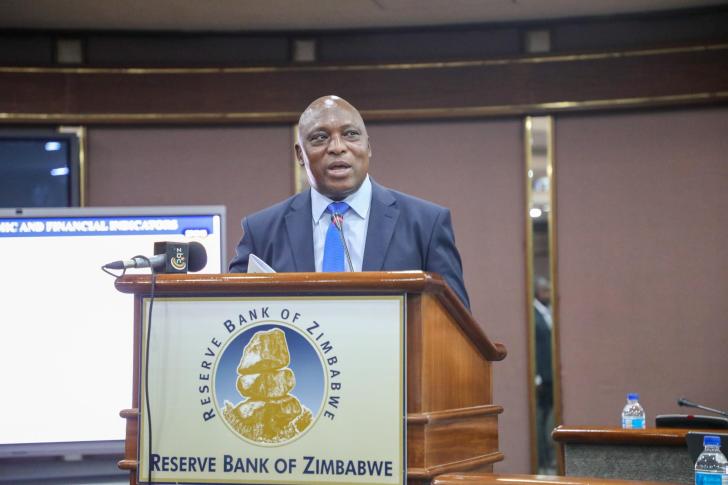
THE local currency has appreciated against the dollar on the interbank foreign exchange market, benefitting from our prudent monetary policy stance, including optimal money supply and liquidity management, a market-determined exchange rate, enhanced coordination between fiscal and monetary policies, as well as increased foreign currency inflows that supported the accumulation of foreign currency reserves.
Under a floating exchange rate regime, exchange rate movements are mainly driven by changes in the demand and supply of foreign currency.
Increased supply of foreign currency is associated with a stable exchange rate and some relative appreciation.
The country has recorded a significant increase in foreign currency receipts amounting to US$16,2 billion in 2025, up from around US$13,3 billion in 2024, anchored in improved export earnings and resilient diaspora remittance flows.
Reflecting on increased flows, the country is estimated to have recorded a favourable balance of payments position, with an estimated current account surplus of around US$2 billion in 2025, up from around US$500 million in 2024.
As a result, foreign currency reserves anchoring ZiG reached US$1,2 billion, equivalent to 1,5 months of import cover in December 2025, from less than 0,2 months of import cover at the introduction of Zimbabwe Gold (ZiG) in April 2024.
The increased foreign currency has also allowed for the interbank foreign exchange market to meet all bona fide foreign payments by economic agents, thereby reducing the need to access foreign currency on the parallel market.
A favourable balance of payments position normally results in the appreciation of the currency.
As such, the recent appreciation is a confluence of both prudent money supply and increased foreign currency flows.
Going forward, the Reserve Bank of Zimbabwe remains committed to "walk the talk and staying the course" of a prudent monetary policy to foster trust, confidence and credibility in the central bank, which is critical for sustained price, currency and exchange rate stability.
Narrowing premium
In developing and emerging market economies, parallel market premiums of below 20 percent show that the currency is generally stable.
The convergence of the interbank and parallel markets reflects the increased role of the official market in supplying foreign currency for the economy.
This has significant benefits for the broader economy.
The convergence allows consistency and predictability in the pricing of goods and services by reducing the pass-through of exchange rate changes to domestic prices.
Moreover, the convergence reduces the value erosion on the generators of foreign currency on the surrendered portion of export proceeds.
As a result, economic agents will be in a position to accept and keep the local currency without fear of losing value.
Reflecting this phenomenon, the country has witnessed economic agents keeping ZiG for relatively longer periods and only using it as and when required, which eliminated the quest for quick conversion to foreign currency for fear of losing value.
The narrowing premium has also boosted consumer purchasing power and engendered more effective long-term planning and investment by industry and commerce.
Reserves accumulation strategy
Since April 2024, the Reserve Bank has followed a foreign reserves accumulation strategy targeting foreign currency and precious metals, including gold.
The strategy involves the build-up of reserves through in-kind mining royalties and export surrender requirements.
In 2025, the reserves accumulation strategy benefited from the historic rally in gold prices as well as the rebound in platinum prices.
Resultantly, international official reserve assets increased significantly, from US$276 million in April 2024 to US$1,2 billion as at the end of December 2025, including about US$574 million in foreign currency and US$566 million in gold, among other assets.
The Reserve Bank is targeting to build up foreign currency reserves to the international and regional benchmarks of three to six months import cover by 2030 under the National Development Strategy 2 (NDS2) to support the lasting stability of ZiG.
Based on the current trajectory, the Reserve Bank is on course to achieve these targets well before 2030.
New ZiG notes
As advised in previous Monetary Policy Statements, the upgrading of ZiG banknotes is at an advanced stage, and specific details will be contained in the forthcoming Monetary Policy Statement to be issued this month.
The issuance of the upgraded family of ZiG banknotes will not induce inflationary pressures as the Reserve Bank will issue notes based on market demand.
Ordinarily, the issuance of currency to the banking sector takes place through cash orders submitted by banks to the Reserve Bank.
In this regard, the quantity of reserve money will not change as banks use their deposits at the Reserve Bank to buy the desired quantity of cash guided by the needs of their clients.
Stated differently, banks will be simply swapping electronic balances for physical notes with no change in the quantity of money.
As such, the injection of cash into the market will be demand-driven, linked to the needs of economic agents and changes in economic activity.
The Reserve Bank welcomes the decline in ZiG annual inflation to 4,1 percent in January 2026, which is the first recorded single-digit inflation in more than three decades.
Stable inflation is critical to support predictability in pricing, which is key in supporting long-term investment and growth.
Going forward, what is critical is to entrench and sustain inflation in single-digit levels of between 3-7 percent, in line with Southern African Development Community (SADC) regional benchmarks.
In this regard, the Reserve Bank, through the Monetary Policy Committee, will closely monitor incoming data on inflation and other macroeconomic variables to calibrate its monetary policy stance in a way that sustains durable price stability while supporting economic growth.
The strengthening of ZiG has produced positive results anchored in macroeconomic stability.
Reflecting stability and some strengthening of the exchange rate, annual inflation has been on a disinflationary trend since July 2025 (95,8 percent), to the obtaining single-digit levels in January 2026.
Monthly inflation has also been low and stable since February 2025, averaging around 0,4 percent.
On the business side, the strengthening of ZiG has led to normalcy in firms' pricing behaviour.
In the past, businesses usually indexed and even front-loaded expected depreciation of the parallel market in their prices since the premium was high and volatile. As such, due to the current exchange rate stability, firms are no longer charging high mark-ups to hedge against exchange rate volatility.
Resultantly, market and inflation expectations are becoming more anchored, reducing price and exchange rate pressures, thereby creating a conducive environment for increased use of the local currency.
Dr John Mushayavanhu is the Governor of the Reserve Bank of Zimbabwe.
Under a floating exchange rate regime, exchange rate movements are mainly driven by changes in the demand and supply of foreign currency.
Increased supply of foreign currency is associated with a stable exchange rate and some relative appreciation.
The country has recorded a significant increase in foreign currency receipts amounting to US$16,2 billion in 2025, up from around US$13,3 billion in 2024, anchored in improved export earnings and resilient diaspora remittance flows.
Reflecting on increased flows, the country is estimated to have recorded a favourable balance of payments position, with an estimated current account surplus of around US$2 billion in 2025, up from around US$500 million in 2024.
As a result, foreign currency reserves anchoring ZiG reached US$1,2 billion, equivalent to 1,5 months of import cover in December 2025, from less than 0,2 months of import cover at the introduction of Zimbabwe Gold (ZiG) in April 2024.
The increased foreign currency has also allowed for the interbank foreign exchange market to meet all bona fide foreign payments by economic agents, thereby reducing the need to access foreign currency on the parallel market.
A favourable balance of payments position normally results in the appreciation of the currency.
As such, the recent appreciation is a confluence of both prudent money supply and increased foreign currency flows.
Going forward, the Reserve Bank of Zimbabwe remains committed to "walk the talk and staying the course" of a prudent monetary policy to foster trust, confidence and credibility in the central bank, which is critical for sustained price, currency and exchange rate stability.
Narrowing premium
In developing and emerging market economies, parallel market premiums of below 20 percent show that the currency is generally stable.
The convergence of the interbank and parallel markets reflects the increased role of the official market in supplying foreign currency for the economy.
This has significant benefits for the broader economy.
The convergence allows consistency and predictability in the pricing of goods and services by reducing the pass-through of exchange rate changes to domestic prices.
Moreover, the convergence reduces the value erosion on the generators of foreign currency on the surrendered portion of export proceeds.
As a result, economic agents will be in a position to accept and keep the local currency without fear of losing value.
Reflecting this phenomenon, the country has witnessed economic agents keeping ZiG for relatively longer periods and only using it as and when required, which eliminated the quest for quick conversion to foreign currency for fear of losing value.
The narrowing premium has also boosted consumer purchasing power and engendered more effective long-term planning and investment by industry and commerce.
Reserves accumulation strategy
Since April 2024, the Reserve Bank has followed a foreign reserves accumulation strategy targeting foreign currency and precious metals, including gold.
The strategy involves the build-up of reserves through in-kind mining royalties and export surrender requirements.
Resultantly, international official reserve assets increased significantly, from US$276 million in April 2024 to US$1,2 billion as at the end of December 2025, including about US$574 million in foreign currency and US$566 million in gold, among other assets.
The Reserve Bank is targeting to build up foreign currency reserves to the international and regional benchmarks of three to six months import cover by 2030 under the National Development Strategy 2 (NDS2) to support the lasting stability of ZiG.
Based on the current trajectory, the Reserve Bank is on course to achieve these targets well before 2030.
New ZiG notes
As advised in previous Monetary Policy Statements, the upgrading of ZiG banknotes is at an advanced stage, and specific details will be contained in the forthcoming Monetary Policy Statement to be issued this month.
The issuance of the upgraded family of ZiG banknotes will not induce inflationary pressures as the Reserve Bank will issue notes based on market demand.
Ordinarily, the issuance of currency to the banking sector takes place through cash orders submitted by banks to the Reserve Bank.
In this regard, the quantity of reserve money will not change as banks use their deposits at the Reserve Bank to buy the desired quantity of cash guided by the needs of their clients.
Stated differently, banks will be simply swapping electronic balances for physical notes with no change in the quantity of money.
As such, the injection of cash into the market will be demand-driven, linked to the needs of economic agents and changes in economic activity.
The Reserve Bank welcomes the decline in ZiG annual inflation to 4,1 percent in January 2026, which is the first recorded single-digit inflation in more than three decades.
Stable inflation is critical to support predictability in pricing, which is key in supporting long-term investment and growth.
Going forward, what is critical is to entrench and sustain inflation in single-digit levels of between 3-7 percent, in line with Southern African Development Community (SADC) regional benchmarks.
In this regard, the Reserve Bank, through the Monetary Policy Committee, will closely monitor incoming data on inflation and other macroeconomic variables to calibrate its monetary policy stance in a way that sustains durable price stability while supporting economic growth.
The strengthening of ZiG has produced positive results anchored in macroeconomic stability.
Reflecting stability and some strengthening of the exchange rate, annual inflation has been on a disinflationary trend since July 2025 (95,8 percent), to the obtaining single-digit levels in January 2026.
Monthly inflation has also been low and stable since February 2025, averaging around 0,4 percent.
On the business side, the strengthening of ZiG has led to normalcy in firms' pricing behaviour.
In the past, businesses usually indexed and even front-loaded expected depreciation of the parallel market in their prices since the premium was high and volatile. As such, due to the current exchange rate stability, firms are no longer charging high mark-ups to hedge against exchange rate volatility.
Resultantly, market and inflation expectations are becoming more anchored, reducing price and exchange rate pressures, thereby creating a conducive environment for increased use of the local currency.
Dr John Mushayavanhu is the Governor of the Reserve Bank of Zimbabwe.
Source - Sunday Mail
All articles and letters published on Bulawayo24 have been independently written by members of Bulawayo24's community. The views of users published on Bulawayo24 are therefore their own and do not necessarily represent the views of Bulawayo24. Bulawayo24 editors also reserve the right to edit or delete any and all comments received.
Join the discussion
Loading comments…





