Opinion / Columnist
Indeed, democracy is expensive, Mr. Mangwana - but it is a price Zimbabweans already paid for with their blood
15 Feb 2026 at 09:54hrs |
484 Views
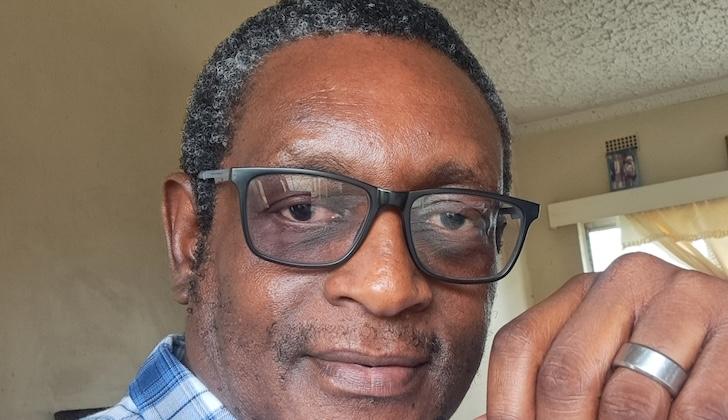
When the unjustifiable is dressed up as logic, it becomes an insult rather than an argument.
Nick Mangwana, the Permanent Secretary for Information in Zimbabwe, recently defended Constitutional Amendment Bill No. 3, which proposes, among other measures, to extend presidential and parliamentary terms from five to seven years.
If you value my social justice advocacy and writing, please consider a financial contribution to keep it going. Contact me on WhatsApp: +263 715 667 700 or Email: mbofana.tendairuben73@gmail.com
He argued that frequent elections impose a "hidden tax" on national progress, reduce efficiency, and keep the nation in a so-called "permanent campaign mode."
Framing the exercise of Zimbabweans' hard-won right to vote as a burden is not just misleading—it is a profound insult to the thousands who sacrificed their lives to secure this democracy.
Yes, elections are expensive.
They require logistics, administration, security, and public resources.
But the true cost of democracy was already paid on the battlefields and in the villages, where men and women died so that citizens could govern themselves through the ballot, not the bullet.
Against that sacrifice, the financial cost of holding elections every five years is negligible.
What greater price can a nation pay than the lives of its people?
To now suggest that elections should be less frequent because they are costly risks trivializing the very sacrifices that brought majority rule.
Democracy was never meant to be the cheapest system of governance; it was meant to be the most accountable.
Its value lies not in saving money, but in protecting citizens from the far greater costs of unaccountable power.
Regular elections are the clearest indicator of a functioning democracy.
They are the moments when citizens can evaluate their leaders' performance, reward delivery, punish failure, and, if necessary, peacefully replace those in office.
The ballot is the citizen's most powerful tool.
Reducing how often that tool can be used inevitably weakens public oversight over those who govern.
Globally, the five-year election cycle that Zimbabwe currently follows is not an accident.
It is a widely adopted democratic norm because it balances two important needs: giving governments enough time to implement policies, and ensuring they return to the people for judgment within a reasonable timeframe.
Some democracies go even further.
In the United States, presidential elections occur every four years.
That frequency has not crippled development; if anything, it has entrenched a strong culture of accountability.
Which shows that the more citizens are given an opportunity to elect their leaders, the better for the country.
Not bad—as characters like Mangwana would want us to believe.
No cost whatsoever can even be too much for this right.
The claim that a nation can be trapped in a destructive "permanent campaign mode" also deserves scrutiny.
Elections are, at their core, a form of competition.
Political actors compete for the trust of voters.
In healthy democracies, this competition pushes leaders to perform, communicate results, and remain responsive to public concerns.
Knowing that the electorate will soon sit in judgment tends to sharpen focus in those who govern.
The real danger arises when elections are too far apart.
Leaders who feel secure for long stretches without facing voters can grow complacent.
The urgency to deliver weakens.
Oversight diminishes.
In the worst cases, corruption finds fertile ground when those in power no longer feel the immediate pressure of public accountability.
History across many countries shows that prolonged insulation from voters rarely produces better governance.
Describing "election mode" as harmful is like criticizing a student for always preparing for exams.
A student who knows assessments are frequent is more likely to study consistently and take their responsibilities seriously.
One who believes the next exam is far away may relax, postpone effort, and ultimately underperform.
The same logic applies to governments.
Regular evaluation encourages consistent performance.
The American example illustrates this dynamic clearly.
When Donald Trump re-entered the White House for his second term in January 2025, preparations for the mid-term elections, scheduled just under two years later, effectively began immediately.
Both the Republican and Democratic parties constantly positioned themselves for these elections, which could shift control of the United States Congress.
This ongoing cycle keeps political actors alert, responsive, and accountable to the electorate.
It is not viewed as a national burden, but as democratic accountability in action.
Moreover, elections themselves do not create divisions; they reveal existing differences in society and provide a peaceful way to manage them.
The alternative to electoral competition is not unity—it is often suppressed dissent.
Genuine unity is built on legitimacy, and legitimacy flows from the people's freely expressed will.
If cost is the concern, then priorities must be questioned.
Governments regularly find resources for luxury vehicles, foreign trips, and grand projects.
Can it then be sincerely argued that investing in credible elections—where citizens exercise their sovereign right to choose leaders—is too heavy a burden?
Public funds used for elections are not wasteful spending; they are investments in legitimacy and stability.
The push to extend terms from five to seven years, as supported by the administration of Emmerson Mnangagwa, cannot be divorced from these realities.
Lengthening the distance between voters and the ballot inevitably weakens direct accountability.
Even if presented as administrative efficiency, the democratic cost is real.
Zimbabweans did not fight for a democracy of convenience, adjusted whenever it becomes politically expedient.
They fought for a democracy of principle—one anchored in the people's regular and meaningful participation in choosing their leaders.
That right is not a privilege granted by those in power; it is an unalienable right secured through sacrifice.
Democracy will always demand resources, patience, and commitment.
But its absence has historically cost nations far more—in repression, instability, and lost opportunity.
For Zimbabwe, the price of democracy was settled long ago in the currency of blood and sacrifice.
No budgetary argument can outweigh that legacy.
If anything, the lesson of our history is clear: the vote is sacred precisely because it was so dearly won.
And no government should ever present its regular exercise as a burden to be minimized rather than a right to be protected.
© Tendai Ruben Mbofana is a social justice advocate and writer. To directly receive his articles please join his WhatsApp Channel on: https://whatsapp.com/channel/0029VaqprWCIyPtRnKpkHe08
Nick Mangwana, the Permanent Secretary for Information in Zimbabwe, recently defended Constitutional Amendment Bill No. 3, which proposes, among other measures, to extend presidential and parliamentary terms from five to seven years.
If you value my social justice advocacy and writing, please consider a financial contribution to keep it going. Contact me on WhatsApp: +263 715 667 700 or Email: mbofana.tendairuben73@gmail.com
He argued that frequent elections impose a "hidden tax" on national progress, reduce efficiency, and keep the nation in a so-called "permanent campaign mode."
Framing the exercise of Zimbabweans' hard-won right to vote as a burden is not just misleading—it is a profound insult to the thousands who sacrificed their lives to secure this democracy.
Yes, elections are expensive.
They require logistics, administration, security, and public resources.
But the true cost of democracy was already paid on the battlefields and in the villages, where men and women died so that citizens could govern themselves through the ballot, not the bullet.
Against that sacrifice, the financial cost of holding elections every five years is negligible.
What greater price can a nation pay than the lives of its people?
To now suggest that elections should be less frequent because they are costly risks trivializing the very sacrifices that brought majority rule.
Democracy was never meant to be the cheapest system of governance; it was meant to be the most accountable.
Its value lies not in saving money, but in protecting citizens from the far greater costs of unaccountable power.
Regular elections are the clearest indicator of a functioning democracy.
They are the moments when citizens can evaluate their leaders' performance, reward delivery, punish failure, and, if necessary, peacefully replace those in office.
The ballot is the citizen's most powerful tool.
Reducing how often that tool can be used inevitably weakens public oversight over those who govern.
Globally, the five-year election cycle that Zimbabwe currently follows is not an accident.
It is a widely adopted democratic norm because it balances two important needs: giving governments enough time to implement policies, and ensuring they return to the people for judgment within a reasonable timeframe.
Some democracies go even further.
In the United States, presidential elections occur every four years.
That frequency has not crippled development; if anything, it has entrenched a strong culture of accountability.
Which shows that the more citizens are given an opportunity to elect their leaders, the better for the country.
Not bad—as characters like Mangwana would want us to believe.
No cost whatsoever can even be too much for this right.
The claim that a nation can be trapped in a destructive "permanent campaign mode" also deserves scrutiny.
Elections are, at their core, a form of competition.
Political actors compete for the trust of voters.
In healthy democracies, this competition pushes leaders to perform, communicate results, and remain responsive to public concerns.
Knowing that the electorate will soon sit in judgment tends to sharpen focus in those who govern.
The real danger arises when elections are too far apart.
Leaders who feel secure for long stretches without facing voters can grow complacent.
The urgency to deliver weakens.
In the worst cases, corruption finds fertile ground when those in power no longer feel the immediate pressure of public accountability.
History across many countries shows that prolonged insulation from voters rarely produces better governance.
Describing "election mode" as harmful is like criticizing a student for always preparing for exams.
A student who knows assessments are frequent is more likely to study consistently and take their responsibilities seriously.
One who believes the next exam is far away may relax, postpone effort, and ultimately underperform.
The same logic applies to governments.
Regular evaluation encourages consistent performance.
The American example illustrates this dynamic clearly.
When Donald Trump re-entered the White House for his second term in January 2025, preparations for the mid-term elections, scheduled just under two years later, effectively began immediately.
Both the Republican and Democratic parties constantly positioned themselves for these elections, which could shift control of the United States Congress.
This ongoing cycle keeps political actors alert, responsive, and accountable to the electorate.
It is not viewed as a national burden, but as democratic accountability in action.
Moreover, elections themselves do not create divisions; they reveal existing differences in society and provide a peaceful way to manage them.
The alternative to electoral competition is not unity—it is often suppressed dissent.
Genuine unity is built on legitimacy, and legitimacy flows from the people's freely expressed will.
If cost is the concern, then priorities must be questioned.
Governments regularly find resources for luxury vehicles, foreign trips, and grand projects.
Can it then be sincerely argued that investing in credible elections—where citizens exercise their sovereign right to choose leaders—is too heavy a burden?
Public funds used for elections are not wasteful spending; they are investments in legitimacy and stability.
The push to extend terms from five to seven years, as supported by the administration of Emmerson Mnangagwa, cannot be divorced from these realities.
Lengthening the distance between voters and the ballot inevitably weakens direct accountability.
Even if presented as administrative efficiency, the democratic cost is real.
Zimbabweans did not fight for a democracy of convenience, adjusted whenever it becomes politically expedient.
They fought for a democracy of principle—one anchored in the people's regular and meaningful participation in choosing their leaders.
That right is not a privilege granted by those in power; it is an unalienable right secured through sacrifice.
Democracy will always demand resources, patience, and commitment.
But its absence has historically cost nations far more—in repression, instability, and lost opportunity.
For Zimbabwe, the price of democracy was settled long ago in the currency of blood and sacrifice.
No budgetary argument can outweigh that legacy.
If anything, the lesson of our history is clear: the vote is sacred precisely because it was so dearly won.
And no government should ever present its regular exercise as a burden to be minimized rather than a right to be protected.
© Tendai Ruben Mbofana is a social justice advocate and writer. To directly receive his articles please join his WhatsApp Channel on: https://whatsapp.com/channel/0029VaqprWCIyPtRnKpkHe08
Source - Tendai Ruben Mbofana
All articles and letters published on Bulawayo24 have been independently written by members of Bulawayo24's community. The views of users published on Bulawayo24 are therefore their own and do not necessarily represent the views of Bulawayo24. Bulawayo24 editors also reserve the right to edit or delete any and all comments received.
Join the discussion
Loading comments…



