Technology / Motors
How buyers evaluate value in Micro-SUVs like the Tata Punch
16 Feb 2026 at 18:01hrs |
0 Views
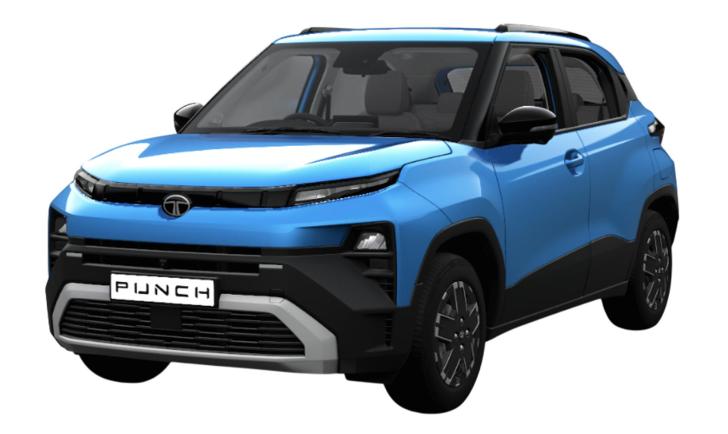
Value for money in the car market has evolved beyond simple price comparisons. This shift is especially evident in the micro-SUV segment, where buyers expect compact vehicles to deliver SUV-like confidence without the cost or complexity of larger models. The Tata Punch provides a useful lens to understand how buyers today evaluate value in this category - not just at the time of purchase, but over the course of ownership.
Rather than asking what is cheapest, buyers are increasingly asking what will feel worthwhile over time.
Value Is No Longer Defined by Price Alone
For micro-SUV buyers, affordability remains important, but it is no longer the sole measure of value. Instead, buyers look at how well a vehicle balances cost with daily usability, safety, and longevity.
Common questions include:
In this context, value is assessed holistically rather than through headline pricing.
Safety as a Core Value Indicator
One of the most significant changes in buyer behaviour is the growing emphasis on safety. Micro-SUV buyers no longer accept lower safety standards simply because a vehicle is compact.
The Tata Punch’s strong safety credentials have influenced how value is perceived in this segment. Buyers increasingly consider crash protection, structural integrity, and standard safety equipment as essential components of value, not optional extras.
A vehicle that offers reassurance in everyday driving often feels like a better value than one that prioritises features but compromises on protection.
Practical Usability Over Feature Density
Feature lists can be misleading when evaluating value. Buyers are becoming more selective, favouring features that genuinely improve everyday driving over those that add complexity.
In micro-SUVs, buyers often prioritise:
The Tata Punch’s upright design and compact proportions align with these priorities, supporting the perception that value comes from usability rather than sheer feature count.
Long-Term Ownership Considerations
Value is also judged over time. Buyers increasingly consider how a vehicle will perform after years of use rather than how impressive it feels on day one.
Key long-term factors include:
Micro-SUVs that minimise ownership stress tend to score higher in perceived value, particularly among buyers planning to keep their vehicle for several years.
Powertrain Choice and Running Costs
Another important element in value assessment is running cost flexibility. Buyers look for options that suit their fuel budget and driving patterns without forcing compromises on format.
Micro-SUVs like the Tata Punch are often evaluated based on:
This flexibility allows buyers to tailor ownership costs to their circumstances, strengthening the overall value proposition.
Design That Ages Well
Design longevity plays a subtle but meaningful role in value perception. Vehicles with overly aggressive or trend-driven styling can feel dated quickly, reducing long-term satisfaction.
Micro-SUV buyers increasingly favour balanced, functional design that remains visually relevant over time. The Tata Punch’s squared proportions and restrained styling appeal to buyers who value durability and identity over fleeting trends.
A design that holds up well contributes indirectly to resale confidence and ownership pride.
How Buyers Research Value Today
The way buyers evaluate value has changed significantly with the availability of digital research tools. Rather than relying solely on dealership visits, buyers now compare options extensively online before shortlisting.
On platforms such as ACKO Drive, which combine online car buying with expert reviews and structured comparisons, micro-SUVs like the Tata Punch are often assessed as complete ownership packages. Buyers compare safety ratings, usability, fuel options, and long-term suitability rather than focusing only on introductory prices.
This research-driven approach has made value evaluation more informed and less impulsive.
Who Finds Value in Micro-SUVs Like the Tata Punch
Vehicles like the Tata Punch tend to appeal to buyers who:
For these buyers, value is defined by consistency and reassurance rather than excitement or status.
Conclusion
How buyers evaluate value in micro-SUVs has shifted from short-term affordability to long-term satisfaction. The Tata Punch reflects this change by aligning compact size with safety, usability, and ownership practicality.
In a segment where compromises were once expected, buyers now demand balance. For many, value lies not in getting more for less, but in getting what truly matters - day after day, year after year.
Rather than asking what is cheapest, buyers are increasingly asking what will feel worthwhile over time.
Value Is No Longer Defined by Price Alone
For micro-SUV buyers, affordability remains important, but it is no longer the sole measure of value. Instead, buyers look at how well a vehicle balances cost with daily usability, safety, and longevity.
Common questions include:
- Does the vehicle feel robust enough for Indian road conditions?
- Will it remain comfortable and usable after several years?
- Does it offer meaningful features rather than cosmetic additions?
In this context, value is assessed holistically rather than through headline pricing.
Safety as a Core Value Indicator
One of the most significant changes in buyer behaviour is the growing emphasis on safety. Micro-SUV buyers no longer accept lower safety standards simply because a vehicle is compact.
The Tata Punch’s strong safety credentials have influenced how value is perceived in this segment. Buyers increasingly consider crash protection, structural integrity, and standard safety equipment as essential components of value, not optional extras.
A vehicle that offers reassurance in everyday driving often feels like a better value than one that prioritises features but compromises on protection.
Practical Usability Over Feature Density
Feature lists can be misleading when evaluating value. Buyers are becoming more selective, favouring features that genuinely improve everyday driving over those that add complexity.
In micro-SUVs, buyers often prioritise:
- Ground clearance for uneven roads
- Comfortable seating and driving posture
- Visibility in traffic
- Ease of entry and exit
The Tata Punch’s upright design and compact proportions align with these priorities, supporting the perception that value comes from usability rather than sheer feature count.
Long-Term Ownership Considerations
Value is also judged over time. Buyers increasingly consider how a vehicle will perform after years of use rather than how impressive it feels on day one.
Key long-term factors include:
- Maintenance complexity
- Durability of interior materials
- Fuel efficiency in daily use
- Reliability across mixed driving conditions
Micro-SUVs that minimise ownership stress tend to score higher in perceived value, particularly among buyers planning to keep their vehicle for several years.
Another important element in value assessment is running cost flexibility. Buyers look for options that suit their fuel budget and driving patterns without forcing compromises on format.
Micro-SUVs like the Tata Punch are often evaluated based on:
- Fuel efficiency in city traffic
- Availability of alternative fuel options
- Predictable service intervals
This flexibility allows buyers to tailor ownership costs to their circumstances, strengthening the overall value proposition.
Design That Ages Well
Design longevity plays a subtle but meaningful role in value perception. Vehicles with overly aggressive or trend-driven styling can feel dated quickly, reducing long-term satisfaction.
Micro-SUV buyers increasingly favour balanced, functional design that remains visually relevant over time. The Tata Punch’s squared proportions and restrained styling appeal to buyers who value durability and identity over fleeting trends.
A design that holds up well contributes indirectly to resale confidence and ownership pride.
How Buyers Research Value Today
The way buyers evaluate value has changed significantly with the availability of digital research tools. Rather than relying solely on dealership visits, buyers now compare options extensively online before shortlisting.
On platforms such as ACKO Drive, which combine online car buying with expert reviews and structured comparisons, micro-SUVs like the Tata Punch are often assessed as complete ownership packages. Buyers compare safety ratings, usability, fuel options, and long-term suitability rather than focusing only on introductory prices.
This research-driven approach has made value evaluation more informed and less impulsive.
Who Finds Value in Micro-SUVs Like the Tata Punch
Vehicles like the Tata Punch tend to appeal to buyers who:
- Want SUV-like confidence in a compact size
- Prioritise safety and robustness
- Seek manageable ownership costs
- Plan to use one vehicle for varied daily needs
For these buyers, value is defined by consistency and reassurance rather than excitement or status.
Conclusion
How buyers evaluate value in micro-SUVs has shifted from short-term affordability to long-term satisfaction. The Tata Punch reflects this change by aligning compact size with safety, usability, and ownership practicality.
In a segment where compromises were once expected, buyers now demand balance. For many, value lies not in getting more for less, but in getting what truly matters - day after day, year after year.
Source - Byo24News
Join the discussion
Loading comments…


