Technology / Other
Saber Sword vs. Damascus Sword: Key Differences and Uses
11 Dec 2025 at 18:51hrs |
1338 Views
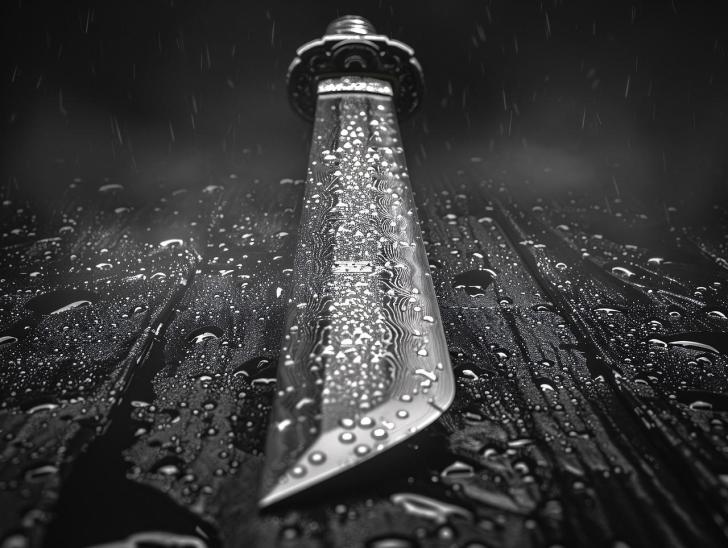
The world of swords is rich with history, craftsmanship, and fascinating stories. Among the most iconic blades are the Saber Sword and the Damascus Sword. Both are celebrated for their strength, elegance, and role in historical combat, but they differ greatly in design, material, and application. Understanding these differences can help collectors, martial artists, and enthusiasts appreciate their unique qualities.
In this article, we will delve into the history, design, uses, and modern relevance of these two legendary swords.
A Brief History of the Saber Sword
The Saber Sword emerged in Eastern and Central Europe and became popular during the 17th and 18th centuries. It was primarily used by cavalry units due to its slightly curved blade, which made it ideal for slashing attacks while riding. The saber became a symbol of military skill, agility, and prestige across Europe and later in parts of Asia.
Historically, the saber was designed to combine both speed and power. Cavalry soldiers relied on its curved blade to strike enemies with swift, sweeping motions, making it extremely effective in mounted combat. Over time, the design evolved, with variations appearing in countries such as Hungary, Poland, and France. Each variant was slightly different in curvature, weight, and balance, optimized for specific combat techniques.
The Origins of the Damascus Sword
The Damascus Sword is famous for its distinctive patterned steel known as Damascus steel. Originating in the Middle East around 300 BCE, Damascus swords were highly prized for their unmatched combination of strength, sharpness, and flexibility. Warriors valued these swords not only for their combat effectiveness but also for their aesthetic appeal.
The signature wavy patterns on a Damascus sword are created by layering different types of steel and forging them repeatedly. This technique results in a blade that is both durable and capable of holding a razor-sharp edge. The process of making a Damascus sword requires a high level of craftsmanship, as each fold and hammer strike contributes to the blade’s strength and unique pattern.
Design Differences: Saber Sword vs. Damascus Sword
While both swords are designed for combat, the Saber Sword and Damascus Sword differ significantly in shape, edge, and construction.
Material and Craftsmanship
One of the most notable differences lies in the materials and craftsmanship of the two swords:
Combat Uses: Historical Perspective
The combat applications of these swords also highlight their differences:
Modern Applications
Today, both swords are appreciated more for their historical significance and craftsmanship than for actual combat:
Choosing Between a Saber Sword and a Damascus Sword
For collectors and martial artists, choosing between these two swords depends on purpose and preference:
Conclusion
The Saber Sword and the Damascus Sword each tell a story of human skill, warfare, and artistry. The saber’s curved blade made it ideal for swift cavalry attacks, while the Damascus sword’s layered steel created a blade that combined strength, sharpness, and beauty.
Whether you are a collector, historian, or martial artist, understanding these differences helps you appreciate the craftsmanship and significance of each weapon. From the battlefield to modern collections, both the Saber Sword and Damascus Sword continue to captivate and inspire.
In this article, we will delve into the history, design, uses, and modern relevance of these two legendary swords.
A Brief History of the Saber Sword
The Saber Sword emerged in Eastern and Central Europe and became popular during the 17th and 18th centuries. It was primarily used by cavalry units due to its slightly curved blade, which made it ideal for slashing attacks while riding. The saber became a symbol of military skill, agility, and prestige across Europe and later in parts of Asia.
Historically, the saber was designed to combine both speed and power. Cavalry soldiers relied on its curved blade to strike enemies with swift, sweeping motions, making it extremely effective in mounted combat. Over time, the design evolved, with variations appearing in countries such as Hungary, Poland, and France. Each variant was slightly different in curvature, weight, and balance, optimized for specific combat techniques.
The Origins of the Damascus Sword
The Damascus Sword is famous for its distinctive patterned steel known as Damascus steel. Originating in the Middle East around 300 BCE, Damascus swords were highly prized for their unmatched combination of strength, sharpness, and flexibility. Warriors valued these swords not only for their combat effectiveness but also for their aesthetic appeal.
The signature wavy patterns on a Damascus sword are created by layering different types of steel and forging them repeatedly. This technique results in a blade that is both durable and capable of holding a razor-sharp edge. The process of making a Damascus sword requires a high level of craftsmanship, as each fold and hammer strike contributes to the blade’s strength and unique pattern.
Design Differences: Saber Sword vs. Damascus Sword
While both swords are designed for combat, the Saber Sword and Damascus Sword differ significantly in shape, edge, and construction.
- Saber Sword:
- Single-edged blade with a slight curve.
- Optimized for slashing attacks, especially from horseback.
- Equipped with a handguard to protect the wielder’s hand.
- Lightweight design for speed and maneuverability.
- Damascus Sword:
- Can be straight or slightly curved; some have double edges.
- Recognized for its layered patterned steel.
- Balanced for both slashing and thrusting attacks.
- Crafted to maximize durability and edge retention.
Material and Craftsmanship
One of the most notable differences lies in the materials and craftsmanship of the two swords:
- Saber Sword: Traditionally made from high-quality steel with a focus on balance and flexibility. The blade needed to be light enough for quick strikes yet strong enough to withstand combat. Decorations were often minimal, emphasizing function over aesthetics.
- Damascus Sword: Renowned for its steel layering technique. Multiple layers of high-carbon steel are forged together and then acid-etched to reveal unique wavy patterns. The craftsmanship ensures a combination of hardness, flexibility, and durability, making it capable of delivering precise, powerful cuts while maintaining structural integrity.
Combat Uses: Historical Perspective
The combat applications of these swords also highlight their differences:
- Saber Sword: Designed for cavalry combat, the saber excels in mounted attacks. The curvature allows riders to swing effectively while moving at high speed, making it ideal for swift, powerful slashes. It is less suitable for prolonged foot combat or stabbing but offers excellent speed and reach.
- Damascus Sword: Historically used by foot soldiers, knights, and warriors across the Middle East and Asia. Its sharp, strong blade makes it versatile for both slashing and thrusting. The Damascus sword’s durability allowed it to remain effective during extended battles without frequent maintenance.
Modern Applications
Today, both swords are appreciated more for their historical significance and craftsmanship than for actual combat:
- Saber Sword: Often collected for its historical value, elegance, and connection to cavalry warfare. Used in ceremonial events, historical reenactments, and martial arts training.
- Damascus Sword: Highly prized by collectors due to its unique steel patterns and durability. Modern Damascus swords are used for display, martial arts practice, and as premium cutting tools. Some enthusiasts commission custom Damascus swords as investment pieces or family heirlooms.
Choosing Between a Saber Sword and a Damascus Sword
For collectors and martial artists, choosing between these two swords depends on purpose and preference:
- Choose a Saber Sword if: You are interested in historical cavalry weapons, ceremonial swords, or fast slashing techniques.
- Choose a Damascus Sword if: You value craftsmanship, unique steel patterns, versatility in combat techniques, or high-quality collectible blades.
Conclusion
The Saber Sword and the Damascus Sword each tell a story of human skill, warfare, and artistry. The saber’s curved blade made it ideal for swift cavalry attacks, while the Damascus sword’s layered steel created a blade that combined strength, sharpness, and beauty.
Whether you are a collector, historian, or martial artist, understanding these differences helps you appreciate the craftsmanship and significance of each weapon. From the battlefield to modern collections, both the Saber Sword and Damascus Sword continue to captivate and inspire.
Source - Byo24News
Join the discussion
Loading comments…





