News / National
Zimbabwe suspends import duty on fertilisers
10 Dec 2025 at 07:19hrs |
0 Views
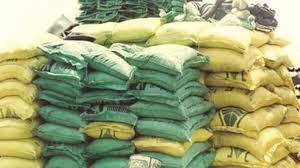
The government has suspended import duty on selected fertilisers for 12 months, effective this week, in a bid to stabilise supply and reduce input costs for farmers during the ongoing 2025-26 summer cropping season. The measure, outlined in Statutory Instrument 214 of 2025 and issued under the Customs and Excise Act, targets ammonium nitrate and urea imported by authorised suppliers.
Only importers approved and licensed by the Ministry of Lands, Agriculture, Fisheries, Water and Rural Development, in collaboration with the Ministry of Industry and Commerce and the fertiliser manufacturing sector, will benefit from the duty suspension. The regulations specify strict tonnage limits, with 150,000 tonnes of ammonium nitrate and 100,000 tonnes of urea eligible for duty-free importation. The Minister of Agriculture is tasked with drawing up a list of reputable importers who will be allowed to operate under the scheme.
The suspension is closely tied to price-monitoring conditions. Importers charging prices equal to or higher than the fertiliser's usual duty-bearing cost will be required to repay the suspended duty and face penalties. "Any approved fertiliser importer who sells fertilisers for which duty would have been suspended at prices equal to or higher than fertilisers on which duty is ordinarily payable shall be liable to pay the suspended duty and applicable penalties," the SI states.
Zimbabwe relies heavily on imported fertiliser, particularly ammonium nitrate, with more than half of national demand met through imports. This exposes farmers to international price fluctuations and currency depreciation, which have historically driven up the cost of maize production and encouraged under-application of inputs, leading to lower yields.
While the government has previously introduced duty waivers on fertiliser, the current suspension is ring-fenced to specific tonnages and linked to regulated retail pricing. Any importer who breaches licensing conditions or sells above approved prices risks losing the duty waiver and being required to repay the suspended duty with penalties.
The timing of the suspension is crucial, coinciding with the peak demand for top-dressing fertiliser in the 2025-26 summer cropping programme. Authorities expect the measure to boost fertiliser supplies from December onwards, helping farmers manage production costs and improve crop yields amid ongoing economic challenges.
Only importers approved and licensed by the Ministry of Lands, Agriculture, Fisheries, Water and Rural Development, in collaboration with the Ministry of Industry and Commerce and the fertiliser manufacturing sector, will benefit from the duty suspension. The regulations specify strict tonnage limits, with 150,000 tonnes of ammonium nitrate and 100,000 tonnes of urea eligible for duty-free importation. The Minister of Agriculture is tasked with drawing up a list of reputable importers who will be allowed to operate under the scheme.
The suspension is closely tied to price-monitoring conditions. Importers charging prices equal to or higher than the fertiliser's usual duty-bearing cost will be required to repay the suspended duty and face penalties. "Any approved fertiliser importer who sells fertilisers for which duty would have been suspended at prices equal to or higher than fertilisers on which duty is ordinarily payable shall be liable to pay the suspended duty and applicable penalties," the SI states.
While the government has previously introduced duty waivers on fertiliser, the current suspension is ring-fenced to specific tonnages and linked to regulated retail pricing. Any importer who breaches licensing conditions or sells above approved prices risks losing the duty waiver and being required to repay the suspended duty with penalties.
The timing of the suspension is crucial, coinciding with the peak demand for top-dressing fertiliser in the 2025-26 summer cropping programme. Authorities expect the measure to boost fertiliser supplies from December onwards, helping farmers manage production costs and improve crop yields amid ongoing economic challenges.
Source - The Herald
Join the discussion
Loading comments…



