News / National
Teachers fume as Mnangagwa pay meeting is scrapped
15 Mar 2026 at 17:22hrs |
0 Views
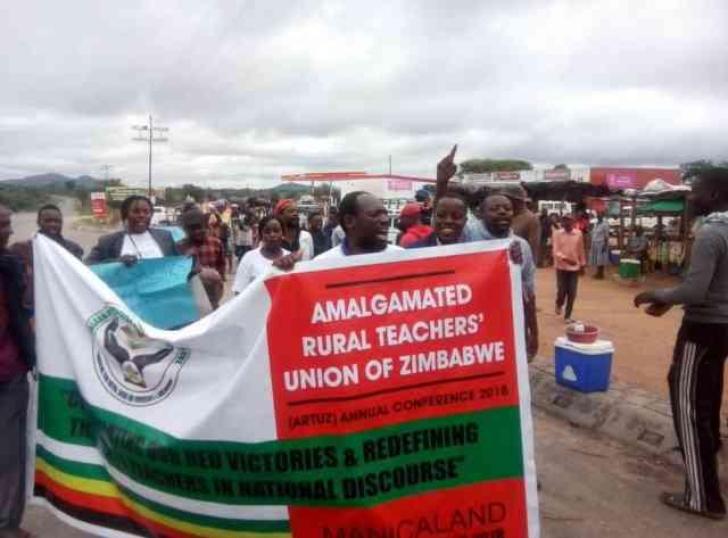
Zimbabwean teachers have expressed anger after a planned meeting with President Emmerson Mnangagwa to discuss stagnant salaries and rising living costs was abruptly cancelled.
Teachers' unions say the development has deepened frustrations among educators already grappling with low wages and worsening economic conditions.
The Progressive Teachers' Union of Zimbabwe (PTUZ) had requested a meeting with Mnangagwa on February 26 to present a detailed document outlining the challenges facing teachers and the broader education sector.
However, the union said it was later informed that the president would not be able to attend the meeting due to other commitments.
In briefing notes prepared for the planned engagement, PTUZ said teachers' salaries and allowances have remained largely unchanged for years, with the last significant adjustment made in 2023.
Currently, most educators earn about US$270 plus around 4,000 ZiG per month. The union is demanding a basic salary of US$540, along with sector-specific allowances to help restore teachers' purchasing power.
Teachers say the rising cost of living has made it increasingly difficult to survive on current wages. According to union figures, rent in high-density suburbs has increased from about US$30 to US$50 per room, while accommodation in medium-density areas can now exceed US$100 per month.
Unions also raised concerns about what they describe as a breakdown in dialogue with authorities. PTUZ claims there has been no meaningful engagement between the Public Service Commission of Zimbabwe and civil service representatives for the past three years.
When discussions do occur, the union said salary adjustments proposed by authorities are often minimal, sometimes amounting to less than US$20 per month.
Meanwhile, the Zimbabwe Teachers' Association (Zimta) has challenged remarks made in Parliament suggesting that government salaries are adequate because they exceed the poverty datum line.
The union argued that such benchmarks are inappropriate for skilled professionals such as teachers and engineers.
Zimta said the lowest-paid civil servants still earn between 37% and 64% below recognised living-cost standards, warning that the widening gap is fueling a growing retention crisis within the public sector.
Contacted for comment, Public Service Commission chairperson Taungana Ndoro referred inquiries to the ministry responsible for staff welfare. Officials from the commission were reportedly unavailable or out of the country when approached for comment.
Teachers' unions warn that unless salaries are urgently reviewed, the country risks losing more skilled professionals as many continue to leave the public service in search of better opportunities.
Teachers' unions say the development has deepened frustrations among educators already grappling with low wages and worsening economic conditions.
The Progressive Teachers' Union of Zimbabwe (PTUZ) had requested a meeting with Mnangagwa on February 26 to present a detailed document outlining the challenges facing teachers and the broader education sector.
However, the union said it was later informed that the president would not be able to attend the meeting due to other commitments.
In briefing notes prepared for the planned engagement, PTUZ said teachers' salaries and allowances have remained largely unchanged for years, with the last significant adjustment made in 2023.
Currently, most educators earn about US$270 plus around 4,000 ZiG per month. The union is demanding a basic salary of US$540, along with sector-specific allowances to help restore teachers' purchasing power.
Teachers say the rising cost of living has made it increasingly difficult to survive on current wages. According to union figures, rent in high-density suburbs has increased from about US$30 to US$50 per room, while accommodation in medium-density areas can now exceed US$100 per month.
When discussions do occur, the union said salary adjustments proposed by authorities are often minimal, sometimes amounting to less than US$20 per month.
Meanwhile, the Zimbabwe Teachers' Association (Zimta) has challenged remarks made in Parliament suggesting that government salaries are adequate because they exceed the poverty datum line.
The union argued that such benchmarks are inappropriate for skilled professionals such as teachers and engineers.
Zimta said the lowest-paid civil servants still earn between 37% and 64% below recognised living-cost standards, warning that the widening gap is fueling a growing retention crisis within the public sector.
Contacted for comment, Public Service Commission chairperson Taungana Ndoro referred inquiries to the ministry responsible for staff welfare. Officials from the commission were reportedly unavailable or out of the country when approached for comment.
Teachers' unions warn that unless salaries are urgently reviewed, the country risks losing more skilled professionals as many continue to leave the public service in search of better opportunities.
Source - The Standard
Join the discussion
Loading comments…





