News / National
Bulawayo City Council debt soars 83%
15 Mar 2026 at 17:16hrs |
0 Views
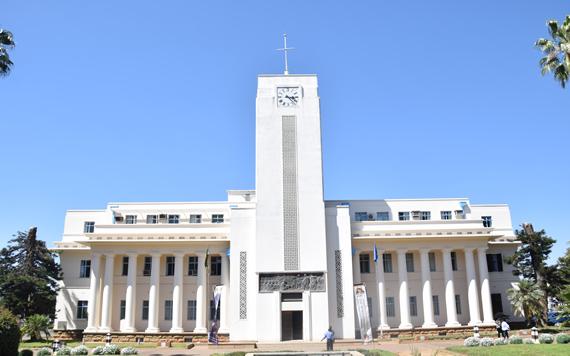
The amount owed to the Bulawayo City Council (BCC) by residents and businesses surged by 83 percent in 2025, rising from ZiG1.2 billion in January to ZiG2.2 billion by December, placing significant financial pressure on the local authority.
According to a recent council report, outstanding consumer debt denominated in United States dollars had reached about US$133.8 million by the end of 2025.
The sharp rise in unpaid bills comes as the city struggles to implement its Credit Control and Debt Management Policy, which was approved in February 2020 to improve revenue collection. Officials say limited resources and persistent problems within the billing system have hampered effective implementation.
The council report noted that while the debt stock increased by about ZiG1 billion during 2025, the pace of growth slowed as the year progressed.
"The rate of increase moderated from approximately 10 percent in February 2025 to about two percent by December 2025, indicating a slowing growth trend," the report stated.
Collection efficiency improved from 55 percent in January 2025 to 73 percent by November after the council introduced new debt recovery measures.
However, the report highlighted that payment delinquency remains widespread. Out of 183,404 billed accounts, about 147,440 accounts — roughly 80 percent — are more than 30 days in arrears.
In low-density residential areas, the average debt per household now exceeds US$1,000.
The Bulawayo Central Business District tops the list of areas with the highest arrears, owing US$21.1 million, followed by the city's industrial zone with US$20.2 million.
Other areas with significant arrears include Mahatshula, Khumalo, Selbourne Park and Parklands, which collectively owe about US$13.6 million.
Additional districts with high debts include Pumula (US$7.2 million), Mpopoma (US$7.1 million), the South-Eastern District (US$7.1 million), Nkulumane (US$6.6 million), Cowdray Park (US$6.3 million), Famona (US$5.6 million) and Mzilikazi with about US$5 million.
Meanwhile, council workers have demanded salary adjustments to cushion themselves against rising living costs.
Through their unions — the Zimbabwe Urban Workers Council (ZUWCU) and Pharmaceuticals and Medical Allied Workers Union (PAMAWU) — employees submitted proposals for the first quarter of 2026.
ZUWCU requested a 67 percent increase in basic salaries and a 100 percent increase in Cost of Living Allowances (COLA).
PAMAWU proposed raising members' basic salaries from US$233 to US$600 and increasing COLA from US$192 to US$300.
However, a confidential council report indicates the local authority cannot currently meet the demands because of financial constraints.
According to the report, the municipality's operating environment remains under pressure due to unstable revenue inflows, rising operational costs and the absence of tariff increases sufficient to support the budget.
The report also disclosed that the council has recently struggled to meet its wage obligations on time.
The salary negotiations have therefore been deferred until the city's 2026 budget estimates receive approval from the parent ministry.
Officials say the council is implementing strategies to improve revenue inflows, including the installation of prepaid water meters that will require consumers to pay for services before use.
Authorities hope the new system will reduce arrears and strengthen the city's financial position as it seeks to stabilise service delivery and meet its obligations.
According to a recent council report, outstanding consumer debt denominated in United States dollars had reached about US$133.8 million by the end of 2025.
The sharp rise in unpaid bills comes as the city struggles to implement its Credit Control and Debt Management Policy, which was approved in February 2020 to improve revenue collection. Officials say limited resources and persistent problems within the billing system have hampered effective implementation.
The council report noted that while the debt stock increased by about ZiG1 billion during 2025, the pace of growth slowed as the year progressed.
"The rate of increase moderated from approximately 10 percent in February 2025 to about two percent by December 2025, indicating a slowing growth trend," the report stated.
Collection efficiency improved from 55 percent in January 2025 to 73 percent by November after the council introduced new debt recovery measures.
However, the report highlighted that payment delinquency remains widespread. Out of 183,404 billed accounts, about 147,440 accounts — roughly 80 percent — are more than 30 days in arrears.
In low-density residential areas, the average debt per household now exceeds US$1,000.
The Bulawayo Central Business District tops the list of areas with the highest arrears, owing US$21.1 million, followed by the city's industrial zone with US$20.2 million.
Other areas with significant arrears include Mahatshula, Khumalo, Selbourne Park and Parklands, which collectively owe about US$13.6 million.
Meanwhile, council workers have demanded salary adjustments to cushion themselves against rising living costs.
Through their unions — the Zimbabwe Urban Workers Council (ZUWCU) and Pharmaceuticals and Medical Allied Workers Union (PAMAWU) — employees submitted proposals for the first quarter of 2026.
ZUWCU requested a 67 percent increase in basic salaries and a 100 percent increase in Cost of Living Allowances (COLA).
PAMAWU proposed raising members' basic salaries from US$233 to US$600 and increasing COLA from US$192 to US$300.
However, a confidential council report indicates the local authority cannot currently meet the demands because of financial constraints.
According to the report, the municipality's operating environment remains under pressure due to unstable revenue inflows, rising operational costs and the absence of tariff increases sufficient to support the budget.
The report also disclosed that the council has recently struggled to meet its wage obligations on time.
The salary negotiations have therefore been deferred until the city's 2026 budget estimates receive approval from the parent ministry.
Officials say the council is implementing strategies to improve revenue inflows, including the installation of prepaid water meters that will require consumers to pay for services before use.
Authorities hope the new system will reduce arrears and strengthen the city's financial position as it seeks to stabilise service delivery and meet its obligations.
Source - Sunday News
Join the discussion
Loading comments…





