News / National
South Africa cannot stay silent on land 'theft'
21 Dec 2025 at 15:32hrs |
0 Views
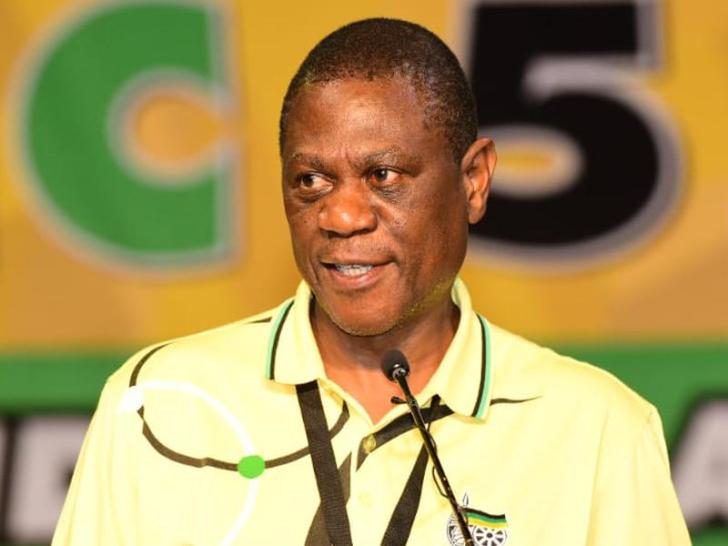
Deputy President Paul Mashatile has drawn a firm line on the unresolved land question, declaring that the government will not be intimidated into silence as it pressed ahead with land expropriation to redress centuries of dispossession, transform the economy and reduce deepening inequality.
Speaking at the Evangelical Lutheran Church in Southern Africa (ELCSA) gala dinner at the Rustenburg Civic Centre in North West on Friday, Mashatile framed land reform as a moral, constitutional and economic imperative, rooted in the country's painful history.
He said the government acknowledged "the painful history of land dispossession and the ongoing struggles many South Africans face," stressing that silence was no longer an option.
"As a church, we cannot remain silent while these injustices persist. We should not allow the false narrative about our efforts to create balance to deter us from achieving our objectives," Mashatile said.
His remarks come amid heightened political tensions over land reform, following lobbying trips to the US by AfriForum and the Solidarity Movement.
The organisations have claimed that the South African government is targeting minority communities, particularly white farmers - assertions repeatedly rejected by the state as misleading and harmful.
This led to the US not attending the G20 summit in Johannesburg last month and to tariffs being increased.
It is unclear whether South Africa will attend the G20 summit in the US next year.
"We should be the voice to the world about the unity of black and white South Africans and reject repeated assertions that white South Africans face systematic persecution," Mashatile said.
At the centre of the renewed push is the Expropriation Act of January 2025, which allows for expropriation without compensation in defined circumstances, such as unused land or land acquired unjustly.
This was signed by President Cyril Ramaphosa into law.
Mashatile said the law was not designed to punish but to restore.
"This is not punitive; it is restorative, fulfilling the constitutional vision that South Africa belongs to all who live in it," he said, adding that the reform reflects Nelson Mandela's belief that land rights are essential to genuine freedom.
The land question remains one of the most emotive and unresolved issues in the country.
According to Mashatile, colonial conquest and apartheid-era laws stripped Black South Africans of nearly 87% of the land, leaving them confined to just 13%.
The 1913 Natives Land Act and the 1923 Urban Areas Act entrenched exclusion, forced labour, and overcrowding - effects that still shape economic inequality to date, he said.
"Since 1994, roughly 19.3 million hectares have been redistributed or restored. Still, whites own 72% of private farmland, according to the 2017 Land Audit."
Mashatile acknowledged delays caused by legal disputes and resistance to expropriation without compensation, but said land reform remained central to economic transformation and poverty reduction.
"Land reform is not just about property; it is about opportunity, dignity, and responsibility. The soil beneath our feet must become a bridge to justice and a legacy for future generations," he said.
He also emphasised productivity, warning that land ownership alone would not change lives.
Agriculture, he said, remained vital for food security and growth, with government support programmes aimed at ensuring beneficiaries actively cultivate the land.
Quoting Mandela, Mashatile reminded the audience of the promise made at the dawn of democracy: "With freedom and democracy came restoration of the right to land… At last, we can look our ancestors in the face and say: Your sacrifices were not in vain."
Speaking at the Evangelical Lutheran Church in Southern Africa (ELCSA) gala dinner at the Rustenburg Civic Centre in North West on Friday, Mashatile framed land reform as a moral, constitutional and economic imperative, rooted in the country's painful history.
He said the government acknowledged "the painful history of land dispossession and the ongoing struggles many South Africans face," stressing that silence was no longer an option.
"As a church, we cannot remain silent while these injustices persist. We should not allow the false narrative about our efforts to create balance to deter us from achieving our objectives," Mashatile said.
His remarks come amid heightened political tensions over land reform, following lobbying trips to the US by AfriForum and the Solidarity Movement.
The organisations have claimed that the South African government is targeting minority communities, particularly white farmers - assertions repeatedly rejected by the state as misleading and harmful.
This led to the US not attending the G20 summit in Johannesburg last month and to tariffs being increased.
It is unclear whether South Africa will attend the G20 summit in the US next year.
"We should be the voice to the world about the unity of black and white South Africans and reject repeated assertions that white South Africans face systematic persecution," Mashatile said.
At the centre of the renewed push is the Expropriation Act of January 2025, which allows for expropriation without compensation in defined circumstances, such as unused land or land acquired unjustly.
This was signed by President Cyril Ramaphosa into law.
Mashatile said the law was not designed to punish but to restore.
"This is not punitive; it is restorative, fulfilling the constitutional vision that South Africa belongs to all who live in it," he said, adding that the reform reflects Nelson Mandela's belief that land rights are essential to genuine freedom.
The land question remains one of the most emotive and unresolved issues in the country.
According to Mashatile, colonial conquest and apartheid-era laws stripped Black South Africans of nearly 87% of the land, leaving them confined to just 13%.
The 1913 Natives Land Act and the 1923 Urban Areas Act entrenched exclusion, forced labour, and overcrowding - effects that still shape economic inequality to date, he said.
"Since 1994, roughly 19.3 million hectares have been redistributed or restored. Still, whites own 72% of private farmland, according to the 2017 Land Audit."
Mashatile acknowledged delays caused by legal disputes and resistance to expropriation without compensation, but said land reform remained central to economic transformation and poverty reduction.
"Land reform is not just about property; it is about opportunity, dignity, and responsibility. The soil beneath our feet must become a bridge to justice and a legacy for future generations," he said.
He also emphasised productivity, warning that land ownership alone would not change lives.
Agriculture, he said, remained vital for food security and growth, with government support programmes aimed at ensuring beneficiaries actively cultivate the land.
Quoting Mandela, Mashatile reminded the audience of the promise made at the dawn of democracy: "With freedom and democracy came restoration of the right to land… At last, we can look our ancestors in the face and say: Your sacrifices were not in vain."
Source - iol
Join the discussion
Loading comments…


