News / National
ZimParks hikes Victoria Falls entry fees
25 Jan 2026 at 09:46hrs |
571 Views
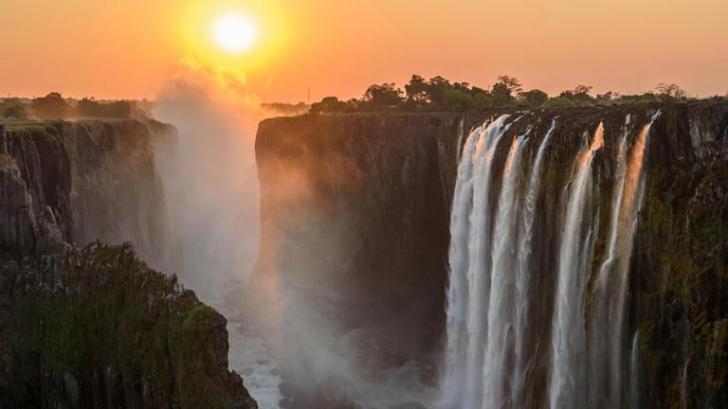
The Zimbabwe Parks and Wildlife Management Authority (ZimParks) has increased daily conservation and park entrance fees at Victoria Falls and other major tourist attractions, with international visitors now required to pay US$58 per person, up from US$50, with immediate effect.
The revised charges are contained in the 2026 tariff schedule, which replaces the 2025 fees and introduces higher rates across several visitor categories, including local, Southern African Development Community (SADC) and international tourists.
Under the new tariffs, international day visitors entering the Victoria Falls Rainforest through the main gate will now pay US$58, while those using the V.I.P gate will be charged US$174, up from US$150. International visitors attending Rainforest moonlight viewing will pay US$116, compared to the previous US$100.
ZimParks said the increase follows the introduction of Value Added Tax (VAT) on tourism services, which has now been applied to park entry fees, pushing the international rate from US$50 to US$58.
The authority had already raised entrance fees for international tourists in recent years, increasing them from US$30 to US$50, making the latest adjustment a further rise in the cost of accessing one of Zimbabwe's flagship tourist destinations.
Local visitors have not been affected by the changes at Victoria Falls. Zimbabwean day visitors entering through the Rainforest main gate will continue to pay US$7, while access through the V.I.P gate remains US$30. Moonlight viewing for locals is unchanged at US$15.
However, ZimParks has increased conservation fees at other major parks, including Mana Pools, Sapi and Chewore, across all visitor categories. Under the new structure, local visitors will pay US$8, SADC tourists US$18, and international visitors US$24.
The fee adjustments come at a time when Zimbabwe's tourism sector is enjoying renewed global attention. In 2025, Forbes magazine ranked Zimbabwe as the world's best travel destination, highlighting Victoria Falls as one of the country's premier attractions.
While the increased charges are expected to boost conservation funding, they are also likely to spark debate about affordability and competitiveness in the regional tourism market, particularly as Victoria Falls remains one of Southern Africa's most visited natural wonders.
The revised charges are contained in the 2026 tariff schedule, which replaces the 2025 fees and introduces higher rates across several visitor categories, including local, Southern African Development Community (SADC) and international tourists.
Under the new tariffs, international day visitors entering the Victoria Falls Rainforest through the main gate will now pay US$58, while those using the V.I.P gate will be charged US$174, up from US$150. International visitors attending Rainforest moonlight viewing will pay US$116, compared to the previous US$100.
ZimParks said the increase follows the introduction of Value Added Tax (VAT) on tourism services, which has now been applied to park entry fees, pushing the international rate from US$50 to US$58.
Local visitors have not been affected by the changes at Victoria Falls. Zimbabwean day visitors entering through the Rainforest main gate will continue to pay US$7, while access through the V.I.P gate remains US$30. Moonlight viewing for locals is unchanged at US$15.
However, ZimParks has increased conservation fees at other major parks, including Mana Pools, Sapi and Chewore, across all visitor categories. Under the new structure, local visitors will pay US$8, SADC tourists US$18, and international visitors US$24.
The fee adjustments come at a time when Zimbabwe's tourism sector is enjoying renewed global attention. In 2025, Forbes magazine ranked Zimbabwe as the world's best travel destination, highlighting Victoria Falls as one of the country's premier attractions.
While the increased charges are expected to boost conservation funding, they are also likely to spark debate about affordability and competitiveness in the regional tourism market, particularly as Victoria Falls remains one of Southern Africa's most visited natural wonders.
Source - NewZimbabwe
Join the discussion
Loading comments…





