News / National
OK Zimbabwe battles to stay afloat
13 Feb 2026 at 09:47hrs |
0 Views
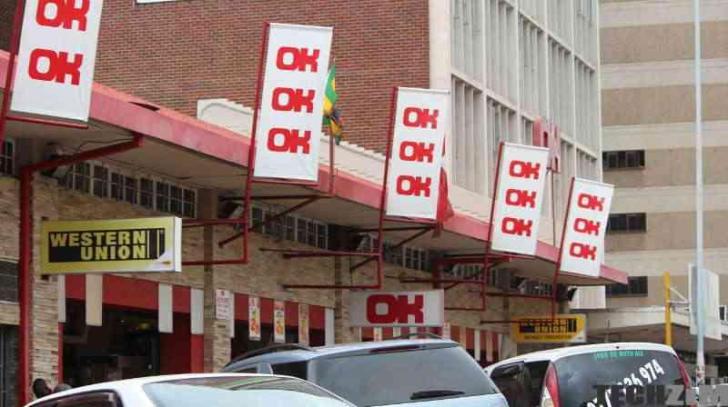
Once a pillar of Zimbabwe's formal retail sector, OK Zimbabwe is facing growing consumer frustration as empty shelves, patchy stock, and quiet tills increasingly define the in-store experience.
A survey conducted this week across Harare and Bulawayo outlets revealed sparse availability across key categories including dairy, fresh produce, bakery items, butchery, hardware, and staple household goods such as maize-meal. Customers said the inconsistency makes planning shopping trips nearly impossible, forcing them to seek alternatives at other supermarkets or informal traders.
"Most of the time the things I need are not there," said Tinashe Moyo, a Harare shopper. "You end up wasting time and then going to another supermarket or buying from informal traders." Nomusa Ncube, a long-time Bulawayo customer, echoed these concerns, noting that OK no longer feels like a reliable one-stop shop. "This used to be my go-to supermarket. Now you walk in and there is nothing — no milk, no fresh vegetables, sometimes not even bread," she said.
The grim reality on the shelves mirrors OK Zimbabwe's interim financial results for the half-year ended September 30, 2025. Revenue plunged to US$28.26 million, an 84% decline from the same period in 2024, while sales volumes fell by 82.68%. The group recorded a net loss of US$17.81 million, underscoring the severity of its liquidity crisis. Former chairperson Herbert Nkala acknowledged that the company had shifted into survival mode rather than growth, citing limited working capital and restrictive supplier trading terms as factors that continue to hinder stock availability.
Financial analysts warn that while a turnaround is possible, it will be slow and capital-intensive. Kudakwashe Taimo of Fincent Securities noted that OK entered this phase with a funding gap of approximately US$30.5 million, with US$20 million raised through a rights issue and the remaining US$10.5 million from property disposals yet to materialise. "Until liquidity improves, rebuilding stock, normalising supplier terms and regaining customer confidence will remain constrained," he said.
Analysts also pointed to deeper structural challenges. Tafara Mtutu of Morgan&Co said shifts in consumer behavior have disadvantaged formal retailers in low-income areas, as many shoppers increasingly turn to informal traders for lower prices and more reliable availability. He added that strained supplier relationships remain a risk, with some suppliers preferring to divert stock to other retailers or informal channels where turnover is faster.
In response, OK Zimbabwe has reconstituted its board, closed 11 outlets, and signaled potential further rationalisation as part of its turnaround strategy. Despite these efforts, the retailer's shares have declined nearly 10% year-to-date, reflecting market skepticism about the company's recovery prospects.
For shoppers, the expectation is simple: full shelves and consistent availability. "I want OK to recover," said Ncube. "But they need to fix the basics first. Until the shelves are full again, people will keep going elsewhere."
A survey conducted this week across Harare and Bulawayo outlets revealed sparse availability across key categories including dairy, fresh produce, bakery items, butchery, hardware, and staple household goods such as maize-meal. Customers said the inconsistency makes planning shopping trips nearly impossible, forcing them to seek alternatives at other supermarkets or informal traders.
"Most of the time the things I need are not there," said Tinashe Moyo, a Harare shopper. "You end up wasting time and then going to another supermarket or buying from informal traders." Nomusa Ncube, a long-time Bulawayo customer, echoed these concerns, noting that OK no longer feels like a reliable one-stop shop. "This used to be my go-to supermarket. Now you walk in and there is nothing — no milk, no fresh vegetables, sometimes not even bread," she said.
The grim reality on the shelves mirrors OK Zimbabwe's interim financial results for the half-year ended September 30, 2025. Revenue plunged to US$28.26 million, an 84% decline from the same period in 2024, while sales volumes fell by 82.68%. The group recorded a net loss of US$17.81 million, underscoring the severity of its liquidity crisis. Former chairperson Herbert Nkala acknowledged that the company had shifted into survival mode rather than growth, citing limited working capital and restrictive supplier trading terms as factors that continue to hinder stock availability.
Financial analysts warn that while a turnaround is possible, it will be slow and capital-intensive. Kudakwashe Taimo of Fincent Securities noted that OK entered this phase with a funding gap of approximately US$30.5 million, with US$20 million raised through a rights issue and the remaining US$10.5 million from property disposals yet to materialise. "Until liquidity improves, rebuilding stock, normalising supplier terms and regaining customer confidence will remain constrained," he said.
Analysts also pointed to deeper structural challenges. Tafara Mtutu of Morgan&Co said shifts in consumer behavior have disadvantaged formal retailers in low-income areas, as many shoppers increasingly turn to informal traders for lower prices and more reliable availability. He added that strained supplier relationships remain a risk, with some suppliers preferring to divert stock to other retailers or informal channels where turnover is faster.
In response, OK Zimbabwe has reconstituted its board, closed 11 outlets, and signaled potential further rationalisation as part of its turnaround strategy. Despite these efforts, the retailer's shares have declined nearly 10% year-to-date, reflecting market skepticism about the company's recovery prospects.
For shoppers, the expectation is simple: full shelves and consistent availability. "I want OK to recover," said Ncube. "But they need to fix the basics first. Until the shelves are full again, people will keep going elsewhere."
Source - newsday
Join the discussion
Loading comments…





