News / National
Zimbabwe fuel now second most expensive in Sadc
21 Mar 2026 at 08:59hrs |
0 Views
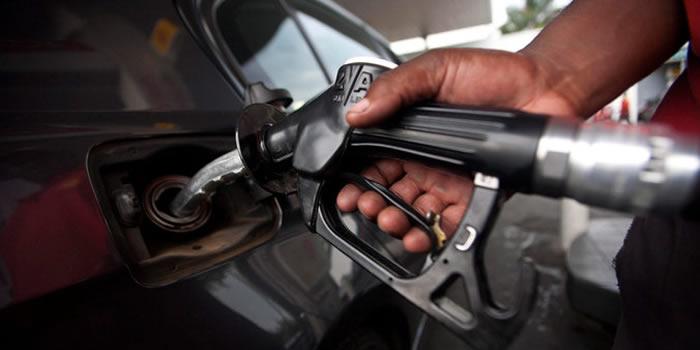
Zimbabwe's economy is under mounting pressure following steep fuel price increases announced by the Zimbabwe Energy Regulatory Authority (ZERA), with diesel rising to US$2.05 per litre and petrol to US$2.17 per litre. The increases mark significant jumps from previous prices of US$1.77 and US$1.71, intensifying cost pressures across multiple sectors.
The hikes are largely attributed to global market disruptions linked to ongoing geopolitical tensions involving the United States, Israel, and Iran, which have pushed international oil prices to between US$106 and US$115 per barrel of Brent crude. However, the impact on Zimbabwe is amplified by its import dependence and cost structure.
According to data from fuel price tracking platform Global Petrol Prices, Zimbabwe is now among the most expensive fuel markets in the Southern African Development Community, surpassed only by Malawi. In contrast, countries such as Angola, Botswana, South Africa, and Zambia maintain significantly lower fuel prices, highlighting the regional disparity.
Businesses across Zimbabwe are now grappling with rising operational costs. The Zimbabwe National Chamber of Commerce, led by Tapiwa Karoro, notes that fuel is a critical input in transportation, logistics, agriculture, mining, and manufacturing. As fuel prices rise, production and distribution costs increase almost immediately, placing pressure on profit margins and forcing companies to adjust prices.
However, many businesses face constraints in passing these costs to consumers due to weak demand, leading to reduced profitability. The situation is particularly challenging for small and medium enterprises, which face liquidity pressures and higher financing costs in an already tight economic environment.
The inflationary impact is expected to ripple through the economy, with increased transport and input costs driving up the prices of goods and services. This is compounded by reduced household disposable income, which in turn weakens consumer demand and further constrains business activity.
Economists warn that the effects could be long-lasting. Tony Hawkins has cautioned that inflation may rise into double digits if high fuel prices persist, with potential knock-on effects on exchange rates and export performance. Similarly, the Confederation of Zimbabwe Industries, through its chief executive Sekai Kuvarika, has noted that rising diesel costs will undermine efforts to stabilise prices and control inflation.
Despite global factors playing a role, analysts emphasise that local cost structures significantly contribute to Zimbabwe's high fuel prices. Taxes, levies, and regulatory charges—including road levies, carbon taxes, and strategic reserves—make up a substantial portion of the final pump price. Additional costs such as freight, storage, financing, and distribution further add to the price burden.
Economist Chenayi Mutambasere highlights that fuel dealers typically retain only a small margin per litre, with the majority of the price comprising taxes and operational costs. As Zimbabwe imports all its fuel, global price increases are quickly transmitted into domestic pricing.
On the policy side, ZERA has indicated that government intervention is helping to moderate what prices could have been higher, particularly in supporting key sectors such as mining, agriculture, and transport. State-linked entities like PetroTrade and NOIC are also playing a role in ensuring fuel distribution across the country.
Nevertheless, with fuel prices now significantly elevated, Zimbabwe faces a broad-based economic adjustment, with implications for inflation, business viability, and household purchasing power in the months ahead.
The hikes are largely attributed to global market disruptions linked to ongoing geopolitical tensions involving the United States, Israel, and Iran, which have pushed international oil prices to between US$106 and US$115 per barrel of Brent crude. However, the impact on Zimbabwe is amplified by its import dependence and cost structure.
According to data from fuel price tracking platform Global Petrol Prices, Zimbabwe is now among the most expensive fuel markets in the Southern African Development Community, surpassed only by Malawi. In contrast, countries such as Angola, Botswana, South Africa, and Zambia maintain significantly lower fuel prices, highlighting the regional disparity.
Businesses across Zimbabwe are now grappling with rising operational costs. The Zimbabwe National Chamber of Commerce, led by Tapiwa Karoro, notes that fuel is a critical input in transportation, logistics, agriculture, mining, and manufacturing. As fuel prices rise, production and distribution costs increase almost immediately, placing pressure on profit margins and forcing companies to adjust prices.
However, many businesses face constraints in passing these costs to consumers due to weak demand, leading to reduced profitability. The situation is particularly challenging for small and medium enterprises, which face liquidity pressures and higher financing costs in an already tight economic environment.
The inflationary impact is expected to ripple through the economy, with increased transport and input costs driving up the prices of goods and services. This is compounded by reduced household disposable income, which in turn weakens consumer demand and further constrains business activity.
Economists warn that the effects could be long-lasting. Tony Hawkins has cautioned that inflation may rise into double digits if high fuel prices persist, with potential knock-on effects on exchange rates and export performance. Similarly, the Confederation of Zimbabwe Industries, through its chief executive Sekai Kuvarika, has noted that rising diesel costs will undermine efforts to stabilise prices and control inflation.
Despite global factors playing a role, analysts emphasise that local cost structures significantly contribute to Zimbabwe's high fuel prices. Taxes, levies, and regulatory charges—including road levies, carbon taxes, and strategic reserves—make up a substantial portion of the final pump price. Additional costs such as freight, storage, financing, and distribution further add to the price burden.
Economist Chenayi Mutambasere highlights that fuel dealers typically retain only a small margin per litre, with the majority of the price comprising taxes and operational costs. As Zimbabwe imports all its fuel, global price increases are quickly transmitted into domestic pricing.
On the policy side, ZERA has indicated that government intervention is helping to moderate what prices could have been higher, particularly in supporting key sectors such as mining, agriculture, and transport. State-linked entities like PetroTrade and NOIC are also playing a role in ensuring fuel distribution across the country.
Nevertheless, with fuel prices now significantly elevated, Zimbabwe faces a broad-based economic adjustment, with implications for inflation, business viability, and household purchasing power in the months ahead.
Source - Newsday
Join the discussion
Loading comments…





