News / National
Government raises ZWG5.6bn through TBs
21 May 2026 at 12:38hrs |
0 Views
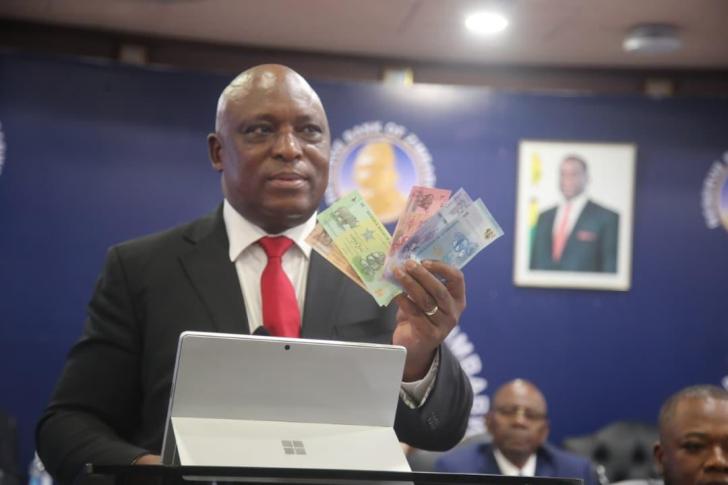
The Government has raised ZWG5.6 billion through the issuance of Treasury Bills (TBs) and bonds via private placements as authorities continue relying on domestic financial markets to finance public expenditure amid limited access to international credit markets.
According to the latest report by the Reserve Bank of Zimbabwe (RBZ), the move reflects Zimbabwe's growing financial isolation caused by longstanding external debt arrears that have restricted the country's ability to borrow from international lenders and capital markets.
John Mushayavanhu said government securities remain an important funding instrument for the state.
"The government raised ZWG5.6bn through the issuance of Treasury Bills and bonds via private placements. Efforts are underway to clear domestic arrears and to resume public auctions of Government securities in 2026, following the stabilisation of inflation," he said.
The Treasury Bills were issued at different interest rates depending on currency denomination and maturity periods.
Local currency TBs carried interest rates of 13% for 90-day instruments, 14% for 180-day paper and 14.5% for 270-day maturities.
US dollar-denominated TBs were issued at 12.5% for 90-day tenors and 6% for 365-day instruments.
The RBZ said government raised ZWG779.44 million and US$84.91 million during the first quarter of 2025, followed by ZWG1.16 billion and US$95.79 million in the second quarter. Authorities are projecting an additional US$20 million to be raised during the second half of the year.
Although Treasury Bills are generally regarded internationally as safe and liquid investments backed by sovereign guarantees, Zimbabwe's debt instruments continue to face credibility challenges due to the country's history of defaults, central bank overdrafts and fiscal instability.
In previous years, excessive reliance on central bank financing contributed to hyperinflation and eroded confidence in government debt instruments, with Treasury Bills often becoming associated with unsustainable borrowing and widening fiscal deficits.
Investor confidence in the domestic debt market remains fragile, with authorities attempting to rebuild trust through tighter fiscal discipline and efforts to stabilise inflation.
According to the latest report by the Reserve Bank of Zimbabwe (RBZ), the move reflects Zimbabwe's growing financial isolation caused by longstanding external debt arrears that have restricted the country's ability to borrow from international lenders and capital markets.
John Mushayavanhu said government securities remain an important funding instrument for the state.
"The government raised ZWG5.6bn through the issuance of Treasury Bills and bonds via private placements. Efforts are underway to clear domestic arrears and to resume public auctions of Government securities in 2026, following the stabilisation of inflation," he said.
The Treasury Bills were issued at different interest rates depending on currency denomination and maturity periods.
Local currency TBs carried interest rates of 13% for 90-day instruments, 14% for 180-day paper and 14.5% for 270-day maturities.
US dollar-denominated TBs were issued at 12.5% for 90-day tenors and 6% for 365-day instruments.
The RBZ said government raised ZWG779.44 million and US$84.91 million during the first quarter of 2025, followed by ZWG1.16 billion and US$95.79 million in the second quarter. Authorities are projecting an additional US$20 million to be raised during the second half of the year.
Although Treasury Bills are generally regarded internationally as safe and liquid investments backed by sovereign guarantees, Zimbabwe's debt instruments continue to face credibility challenges due to the country's history of defaults, central bank overdrafts and fiscal instability.
In previous years, excessive reliance on central bank financing contributed to hyperinflation and eroded confidence in government debt instruments, with Treasury Bills often becoming associated with unsustainable borrowing and widening fiscal deficits.
Investor confidence in the domestic debt market remains fragile, with authorities attempting to rebuild trust through tighter fiscal discipline and efforts to stabilise inflation.
Source - Business Times
Join the discussion
Loading comments…



