News / National
Cross-border cholera cases dominate Manicaland
21 Mar 2026 at 09:03hrs |
0 Views
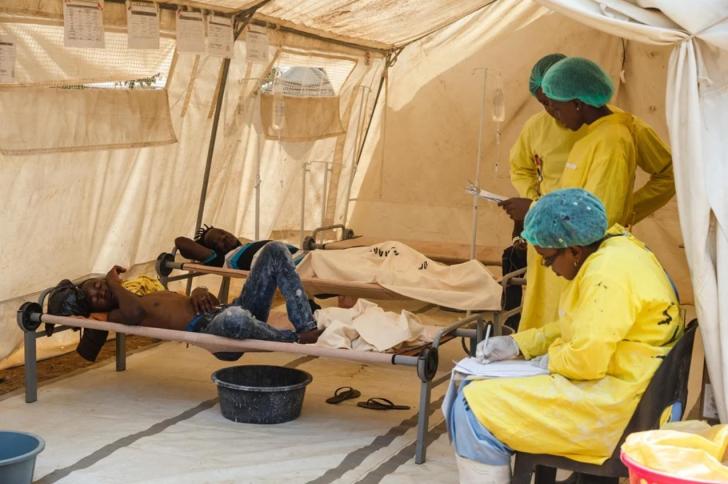
Health authorities in Zimbabwe's Manicaland Province have reported a rise in cholera cases, with officials linking most infections to cross-border movement from neighbouring Mozambique.
According to the Ministry of Health and Child Care, a total of 24 suspected cases and one death have been recorded, with the majority concentrated in Nyanga District and a smaller number in Chipinge.
Nyanga has emerged as the epicentre of the outbreak, where 23 suspected cases have been reported, 18 of which have been confirmed, alongside one fatality.
District Medical Officer Majoni John Muungani said that nearly all cases—about 99%—are believed to have been imported from Mozambique, where an ongoing outbreak is contributing to regional spread.
He explained that frequent movement across the porous border, separated in part by the Gairezi River, is a key driver of transmission. Communities regularly cross for trade, social gatherings, and family events, increasing exposure to infection.
The situation is further complicated by strong cross-border social and economic ties. In some border-area schools, up to 30% of learners are reportedly from Mozambique, raising the risk of disease spread.
Health officials also point to environmental and infrastructural challenges. Limited access to clean water and sanitation is worsening the outbreak, with some areas having sanitation coverage as low as 53.5% and safe water access at around 66.7%.
Many communities rely on shared water sources such as the Gairezi River, which increases the risk of contamination.
The destruction of mining operations, including the Nyarugwe Mine, has also contributed to population movement, with some artisanal miners relocating across the border while still depending on Zimbabwean health services.
Out of the 24 suspected cases recorded, 23 samples have been tested, with 18 confirmed positive. One patient remains hospitalised, one death has been recorded, and the remaining patients have recovered.
The number of cases has risen steadily since early March, when only three suspected infections were reported in the province.
In response, authorities have activated emergency containment measures. The Civil Protection Committee and local ward structures are coordinating efforts to control the outbreak, while health teams are conducting contact tracing and monitoring.
Cholera Treatment Centres have been established to manage cases, with additional health personnel deployed to affected areas. Fumigation of suspected contaminated sites has also been carried out.
Public awareness campaigns are being intensified in schools, mining communities, and business centres, with traditional leaders playing a key role in community education and monitoring compliance.
Authorities are also supervising funeral practices in affected areas to ensure safety protocols are followed, while cross-border collaboration with Mozambican health counterparts has been initiated.
Community health workers are conducting door-to-door outreach to identify new cases and promote hygiene practices, while rapid response teams are being trained in districts such as Buhera and Mutare with support from the Zimbabwe Red Cross Society.
Health officials say continued vigilance, improved sanitation, and stronger cross-border coordination will be critical in containing the outbreak.
According to the Ministry of Health and Child Care, a total of 24 suspected cases and one death have been recorded, with the majority concentrated in Nyanga District and a smaller number in Chipinge.
Nyanga has emerged as the epicentre of the outbreak, where 23 suspected cases have been reported, 18 of which have been confirmed, alongside one fatality.
District Medical Officer Majoni John Muungani said that nearly all cases—about 99%—are believed to have been imported from Mozambique, where an ongoing outbreak is contributing to regional spread.
He explained that frequent movement across the porous border, separated in part by the Gairezi River, is a key driver of transmission. Communities regularly cross for trade, social gatherings, and family events, increasing exposure to infection.
The situation is further complicated by strong cross-border social and economic ties. In some border-area schools, up to 30% of learners are reportedly from Mozambique, raising the risk of disease spread.
Health officials also point to environmental and infrastructural challenges. Limited access to clean water and sanitation is worsening the outbreak, with some areas having sanitation coverage as low as 53.5% and safe water access at around 66.7%.
Many communities rely on shared water sources such as the Gairezi River, which increases the risk of contamination.
Out of the 24 suspected cases recorded, 23 samples have been tested, with 18 confirmed positive. One patient remains hospitalised, one death has been recorded, and the remaining patients have recovered.
The number of cases has risen steadily since early March, when only three suspected infections were reported in the province.
In response, authorities have activated emergency containment measures. The Civil Protection Committee and local ward structures are coordinating efforts to control the outbreak, while health teams are conducting contact tracing and monitoring.
Cholera Treatment Centres have been established to manage cases, with additional health personnel deployed to affected areas. Fumigation of suspected contaminated sites has also been carried out.
Public awareness campaigns are being intensified in schools, mining communities, and business centres, with traditional leaders playing a key role in community education and monitoring compliance.
Authorities are also supervising funeral practices in affected areas to ensure safety protocols are followed, while cross-border collaboration with Mozambican health counterparts has been initiated.
Community health workers are conducting door-to-door outreach to identify new cases and promote hygiene practices, while rapid response teams are being trained in districts such as Buhera and Mutare with support from the Zimbabwe Red Cross Society.
Health officials say continued vigilance, improved sanitation, and stronger cross-border coordination will be critical in containing the outbreak.
Source - Manica Post
Join the discussion
Loading comments…




