News / National
Jonathan Moyo rubbishes Blessed Mhlanga
02 May 2026 at 20:15hrs |
0 Views
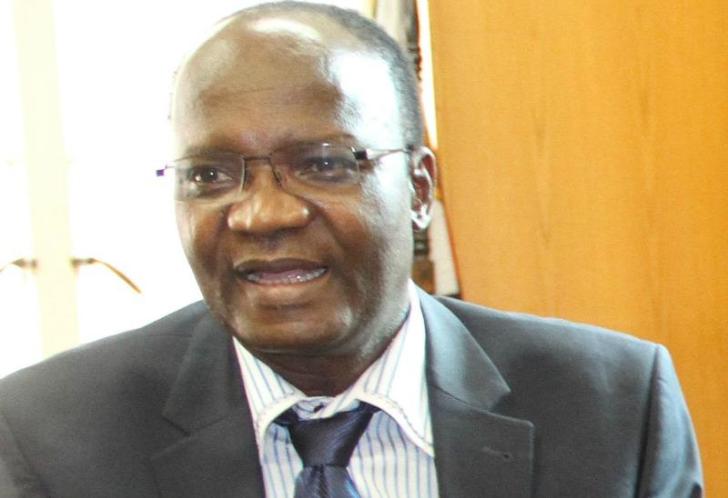
A heated public exchange has erupted between former cabinet minister Jonathan Moyo and media personality Blessed Mhlanga following remarks on the proposed Clause 3 of the Constitution of Zimbabwe (Amendment No. 3) Bill, 2026.
The dispute was triggered after Moyo shared a video of constitutional law expert Lovemore Madhuku discussing presidential succession during a 2020 intervention. In the clip, Madhuku argues that Zimbabwe's Constitution should not rely on internal party processes to determine a successor when a sitting President leaves office, but instead empower Parliament to act as an electoral college.
Moyo endorsed the remarks, describing them as a "clear, powerful and enduring case" for Clause 3 of the proposed amendment. The clause seeks to replace the direct election of the President with an indirect system in which Parliament, sitting jointly, elects the Head of State both after general elections and in the event of a vacancy.
Under the current framework-introduced through Constitution of Zimbabwe Amendment No. 7-the President is directly elected by voters, a system retained in the 2013 Constitution.
Madhuku's argument, as highlighted by Moyo, centres on the principle that national leadership should not hinge on decisions made within political parties. Instead, he proposes a transparent parliamentary process where elected representatives determine succession, ensuring accountability and national inclusivity.
However, Mhlanga dismissed the interpretation, posting on X (formerly Twitter): "Education is overrated – this has nothing to do with CAB3. @ProfMadhuku was clear here on what he was talking about, your meaning making formula Prof is way off the mark."
Moyo responded sharply, accusing Mhlanga of misunderstanding both the constitutional provision and Madhuku's argument.
"It is too risky and even dangerous for a media personality like you to approach technical or evidentiary issues with a shut mind," Moyo wrote, adding that Mhlanga's comments lacked substantive argument or evidence.
He further argued that Mhlanga had either not read or failed to understand Clause 3, despite presenting himself as an authority on the matter.
"What is crystal clear from your self-indulgent post is that you have either not read Clause 3… or you have definitely not understood it at all," Moyo said.
In a detailed rebuttal, Moyo urged Mhlanga to revisit both the text of the Bill and Madhuku's 2020 remarks, particularly a key statement advocating for either direct elections or a parliamentary electoral college system.
"Why or how do you conclude that Prof Madhuku's view… is logically and analytically not relevant to Clause 3?" Moyo challenged.
He maintained that Madhuku's 2020 position aligns directly with the proposed reform, arguing that the Bill essentially operationalises the alternative model the professor had outlined.
The exchange has reignited broader debate over the merits of Clause 3, with supporters arguing it would enhance stability and constitutional order by removing succession decisions from party structures. Critics, however, warn that shifting presidential elections to Parliament could dilute direct democratic participation.
As discussions continue, the controversy underscores deep divisions among Zimbabwe's political and media figures over the future of the country's electoral system and constitutional governance.
The dispute was triggered after Moyo shared a video of constitutional law expert Lovemore Madhuku discussing presidential succession during a 2020 intervention. In the clip, Madhuku argues that Zimbabwe's Constitution should not rely on internal party processes to determine a successor when a sitting President leaves office, but instead empower Parliament to act as an electoral college.
Moyo endorsed the remarks, describing them as a "clear, powerful and enduring case" for Clause 3 of the proposed amendment. The clause seeks to replace the direct election of the President with an indirect system in which Parliament, sitting jointly, elects the Head of State both after general elections and in the event of a vacancy.
Under the current framework-introduced through Constitution of Zimbabwe Amendment No. 7-the President is directly elected by voters, a system retained in the 2013 Constitution.
Madhuku's argument, as highlighted by Moyo, centres on the principle that national leadership should not hinge on decisions made within political parties. Instead, he proposes a transparent parliamentary process where elected representatives determine succession, ensuring accountability and national inclusivity.
However, Mhlanga dismissed the interpretation, posting on X (formerly Twitter): "Education is overrated – this has nothing to do with CAB3. @ProfMadhuku was clear here on what he was talking about, your meaning making formula Prof is way off the mark."
Moyo responded sharply, accusing Mhlanga of misunderstanding both the constitutional provision and Madhuku's argument.
He further argued that Mhlanga had either not read or failed to understand Clause 3, despite presenting himself as an authority on the matter.
"What is crystal clear from your self-indulgent post is that you have either not read Clause 3… or you have definitely not understood it at all," Moyo said.
In a detailed rebuttal, Moyo urged Mhlanga to revisit both the text of the Bill and Madhuku's 2020 remarks, particularly a key statement advocating for either direct elections or a parliamentary electoral college system.
"Why or how do you conclude that Prof Madhuku's view… is logically and analytically not relevant to Clause 3?" Moyo challenged.
He maintained that Madhuku's 2020 position aligns directly with the proposed reform, arguing that the Bill essentially operationalises the alternative model the professor had outlined.
The exchange has reignited broader debate over the merits of Clause 3, with supporters arguing it would enhance stability and constitutional order by removing succession decisions from party structures. Critics, however, warn that shifting presidential elections to Parliament could dilute direct democratic participation.
As discussions continue, the controversy underscores deep divisions among Zimbabwe's political and media figures over the future of the country's electoral system and constitutional governance.
Source - Byo24News
Join the discussion
Loading comments…


