News / National
Sikhala, Biti mobilise against ED2030, Chamisa charts own path
24 Mar 2026 at 19:06hrs |
0 Views
Zimbabwe's political landscape is growing increasingly polarised as tensions mount over proposed constitutional amendments that could extend President Emmerson Mnangagwa's rule beyond 2028 to 2030 under the banner of the "ED2030" agenda.
The ruling Zanu-PF has intensified nationwide mobilisation campaigns backing the controversial Constitutional Amendment (No.3), which seeks to lengthen presidential tenure and introduce wide-ranging political, electoral and governance reforms. The campaigns are being driven through party structures, government platforms and community engagements, including high-profile gatherings such as funerals held at National Heroes Acre.
However, the push has triggered strong resistance from civic organisations and opposition actors, who have branded the proposed changes a "constitutional coup" aimed at entrenching power.
Amid the escalating contest, opposition leader Nelson Chamisa has taken an unconventional stance, arguing that "there is no constitution in this country" to defend. His remarks distance him from a broader coalition of civic groups and opposition figures campaigning against the amendments, insisting instead on pursuing resistance through his own framework.
This position has placed him at odds with formations such as the Constitution Defenders Forum led by Tendai Biti and the Defend the Constitution Platform convened by Jameson Timba.
Tensions escalated further following the arrest of Biti and fellow activist Morgan Ncube, who were later released under restrictive bail conditions. Responding to the developments, opposition figure Fadzayi Mahere condemned what she described as an "unlawful arrest and malicious, political prosecution," warning of a broader clampdown on dissent.
Mahere argued that the arrests and restrictions on public gatherings undermine fundamental rights, including freedom of assembly, expression and conscience, describing the situation as "a dark day for the nation." She further asserted that targeting activists defending the constitution amounts to an attack on all citizens, firmly rejecting the "ED2030" agenda while calling for leadership renewal.
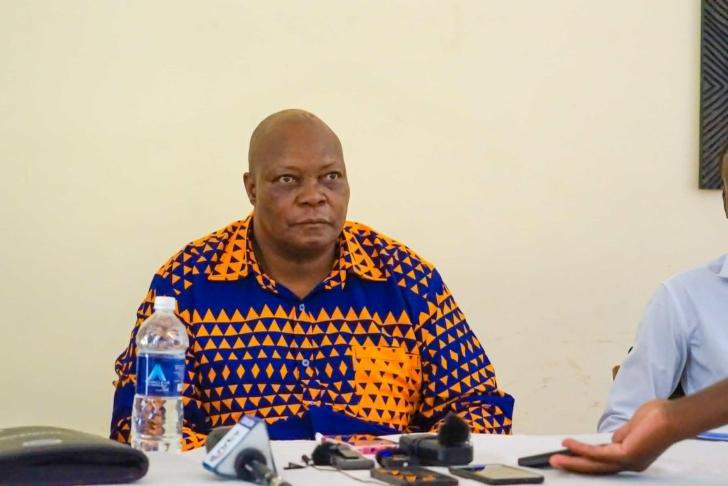
Meanwhile, the National Democratic Working Group, led by veteran opposition figure Job Sikhala, is intensifying its response. Sikhala is expected to address a press conference in Braamfontein, outlining the implications of the proposed amendments and rallying opposition forces.
As both sides dig in, Zimbabwe faces a deepening political confrontation, with the outcome of the constitutional amendment debate likely to shape the country's governance trajectory for years to come.
The ruling Zanu-PF has intensified nationwide mobilisation campaigns backing the controversial Constitutional Amendment (No.3), which seeks to lengthen presidential tenure and introduce wide-ranging political, electoral and governance reforms. The campaigns are being driven through party structures, government platforms and community engagements, including high-profile gatherings such as funerals held at National Heroes Acre.
However, the push has triggered strong resistance from civic organisations and opposition actors, who have branded the proposed changes a "constitutional coup" aimed at entrenching power.
Amid the escalating contest, opposition leader Nelson Chamisa has taken an unconventional stance, arguing that "there is no constitution in this country" to defend. His remarks distance him from a broader coalition of civic groups and opposition figures campaigning against the amendments, insisting instead on pursuing resistance through his own framework.
This position has placed him at odds with formations such as the Constitution Defenders Forum led by Tendai Biti and the Defend the Constitution Platform convened by Jameson Timba.
Tensions escalated further following the arrest of Biti and fellow activist Morgan Ncube, who were later released under restrictive bail conditions. Responding to the developments, opposition figure Fadzayi Mahere condemned what she described as an "unlawful arrest and malicious, political prosecution," warning of a broader clampdown on dissent.
Mahere argued that the arrests and restrictions on public gatherings undermine fundamental rights, including freedom of assembly, expression and conscience, describing the situation as "a dark day for the nation." She further asserted that targeting activists defending the constitution amounts to an attack on all citizens, firmly rejecting the "ED2030" agenda while calling for leadership renewal.
Meanwhile, the National Democratic Working Group, led by veteran opposition figure Job Sikhala, is intensifying its response. Sikhala is expected to address a press conference in Braamfontein, outlining the implications of the proposed amendments and rallying opposition forces.
As both sides dig in, Zimbabwe faces a deepening political confrontation, with the outcome of the constitutional amendment debate likely to shape the country's governance trajectory for years to come.
Source - online
Join the discussion
Loading comments…


