News / National
Zimbabwe's repressive govt moves to regulate online media content
27 Mar 2026 at 11:57hrs |
0 Views
The Zimbabwean government has unveiled a new co-regulatory media framework aimed at tackling the rapid spread of misinformation, deepfakes and harmful online content as digital platforms continue to reshape the information landscape.
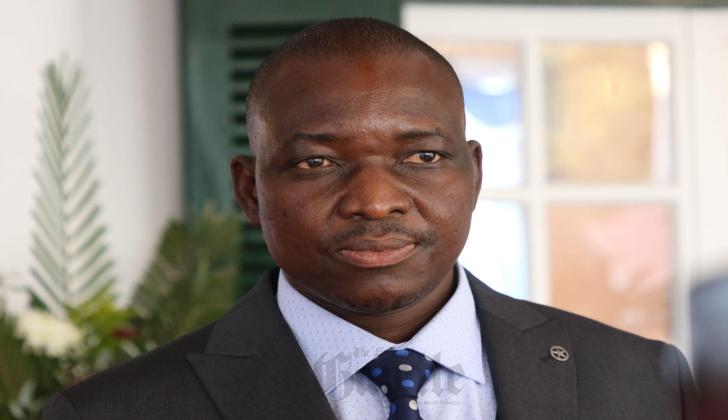
Speaking at the Broadcast Evolution Zimbabwe Conference in Harare, Information Minister Zhemu Soda said the traditional boundaries between broadcasting and digital media had collapsed, requiring a more flexible and collaborative regulatory approach.
"We are living in a disruptive environment," Soda said. "A single smartphone is now a newsroom, a broadcasting studio and a global distribution channel."
The conference, hosted by the Broadcasting Authority of Zimbabwe, brought together policymakers, regulators and media stakeholders under the theme of regulating online broadcasting in the age of artificial intelligence and new media.
At the centre of the government's strategy is a co-regulatory model, which will see the State, media industry and professional bodies jointly responsible for setting and enforcing standards.
Officials say the approach is designed to balance innovation with accountability, particularly as digital platforms enable rapid information sharing - often without verification.
Soda warned that while digital transformation presents opportunities for economic growth, youth participation and media diversity, it also raises complex challenges.
"We are witnessing the rapid spread of misinformation, disinformation and manipulated media, which threaten public trust and social stability," he said.
The rise of artificial intelligence has added urgency to the regulatory shift. Authorities say AI tools are increasingly being used to generate news content, create synthetic audio and video, and personalise information - sometimes with misleading or harmful effects.
Soda stressed the need for ethical safeguards, transparency and accountability in the deployment of AI technologies within the media sector.
"While these technologies offer remarkable opportunities, they also raise serious concerns around deepfakes, intellectual property rights and manipulated information ecosystems," he said.
Valentine Mutatu, chairperson of BAZ, said the new framework is not intended to stifle innovation but to ensure responsible content creation.
"Our goal is to promote a dynamic and responsible media sector while safeguarding national interests," he said.
Media stakeholders also expressed support for the initiative. Nigel Nyamutumbu said online platforms had increasingly been used to نشر unverified information, while Mlondolozi Ndlovu emphasised the importance of collaboration between regulators and content creators.
The move comes amid growing concern that unchecked digital content - particularly on social media - is undermining journalistic standards and exposing vulnerable groups, including children, to harmful material.
Government says the new framework aligns with its broader vision under the National Development Strategy 2 to build a modern digital economy, while preserving ethical journalism.
As Zimbabwe navigates the evolving digital frontier, authorities say the challenge will be striking the right balance between safeguarding freedom of expression and ensuring accountability in an increasingly complex media environment.
Speaking at the Broadcast Evolution Zimbabwe Conference in Harare, Information Minister Zhemu Soda said the traditional boundaries between broadcasting and digital media had collapsed, requiring a more flexible and collaborative regulatory approach.
"We are living in a disruptive environment," Soda said. "A single smartphone is now a newsroom, a broadcasting studio and a global distribution channel."
The conference, hosted by the Broadcasting Authority of Zimbabwe, brought together policymakers, regulators and media stakeholders under the theme of regulating online broadcasting in the age of artificial intelligence and new media.
At the centre of the government's strategy is a co-regulatory model, which will see the State, media industry and professional bodies jointly responsible for setting and enforcing standards.
Officials say the approach is designed to balance innovation with accountability, particularly as digital platforms enable rapid information sharing - often without verification.
Soda warned that while digital transformation presents opportunities for economic growth, youth participation and media diversity, it also raises complex challenges.
"We are witnessing the rapid spread of misinformation, disinformation and manipulated media, which threaten public trust and social stability," he said.
The rise of artificial intelligence has added urgency to the regulatory shift. Authorities say AI tools are increasingly being used to generate news content, create synthetic audio and video, and personalise information - sometimes with misleading or harmful effects.
Soda stressed the need for ethical safeguards, transparency and accountability in the deployment of AI technologies within the media sector.
"While these technologies offer remarkable opportunities, they also raise serious concerns around deepfakes, intellectual property rights and manipulated information ecosystems," he said.
Valentine Mutatu, chairperson of BAZ, said the new framework is not intended to stifle innovation but to ensure responsible content creation.
"Our goal is to promote a dynamic and responsible media sector while safeguarding national interests," he said.
Media stakeholders also expressed support for the initiative. Nigel Nyamutumbu said online platforms had increasingly been used to نشر unverified information, while Mlondolozi Ndlovu emphasised the importance of collaboration between regulators and content creators.
The move comes amid growing concern that unchecked digital content - particularly on social media - is undermining journalistic standards and exposing vulnerable groups, including children, to harmful material.
Government says the new framework aligns with its broader vision under the National Development Strategy 2 to build a modern digital economy, while preserving ethical journalism.
As Zimbabwe navigates the evolving digital frontier, authorities say the challenge will be striking the right balance between safeguarding freedom of expression and ensuring accountability in an increasingly complex media environment.
Source - The Herald
Join the discussion
Loading comments…


