News / National
Zanu-PF has activated its campaign machinery
29 Mar 2026 at 16:05hrs |
0 Views
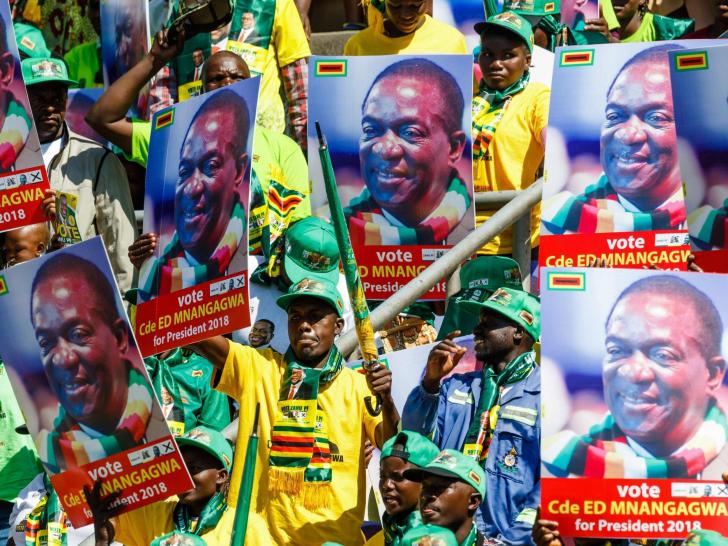
Zimbabwe's ruling party, Zanu-PF, has activated its campaign machinery in anticipation of a possible national referendum, as resistance to the proposed Constitutional Amendment Bill No. 3 (CAB3) intensifies across the political spectrum.
The proposed legislation, which has sparked widespread controversy, seeks to fundamentally reshape Zimbabwe's governance framework. Among its key provisions are plans to abolish direct presidential elections in favour of parliamentary selection, as well as extending the terms of both the president and Parliament from 2028 to 2030.
The developments have placed President Emmerson Mnangagwa at the centre of a heated national debate. While Mnangagwa has publicly stated he does not intend to extend his tenure, critics argue the bill could effectively allow such an outcome.
According to party insiders, Zanu-PF is moving aggressively to consolidate support ahead of any potential referendum, despite publicly maintaining that a referendum may not be legally required.
Party officials, legislators and grassroots leaders have reportedly been deployed across constituencies to mobilise support, with warnings issued to members who fail to publicly endorse the bill during upcoming consultations.
Zanu-PF director of information Farai Marapira said the party remains prepared for any legal eventuality.
"As a party, we are very clear that we do not believe that this issue calls for a referendum," he said, adding that the Constitution only mandates referendums for specific sections not affected by CAB3.
However, this interpretation has been challenged by legal experts and even some pro-government voices.
Among the critics is activist Rutendo Matinyarire, who argues that the proposed amendments would require multiple legislative changes, including revisions to constitutional provisions governing term limits.
Matinyarire contends that any attempt to allow a sitting president to benefit from extended term limits would necessitate further amendments and likely a referendum — a process he says could take years.
The opposition, aligned with figures such as Nelson Chamisa, has also raised alarm over the bill, describing it as a threat to democratic accountability and electoral integrity.
Critics argue that transferring presidential चुनावs to Parliament could erode public participation and concentrate power within political elites.
Public opposition appears to be intensifying. A recent online poll by the Constitution Defenders Forum (CDF) indicated overwhelming resistance to the bill, with the majority of respondents rejecting the proposed changes.
Much of the scepticism stems from concerns about the credibility and conduct of lawmakers who would, under the proposed system, assume the responsibility of electing the president.
Recent controversy involving legislator Nomsa Chaimvura — whose remarks in Parliament drew public backlash — has further fuelled distrust.
Social media reactions have underscored fears that the proposed system could place critical national decisions in the hands of individuals perceived as unaccountable or out of touch with citizens' concerns.
The political climate has been further complicated by allegations of selective enforcement of public order regulations.
Opposition groups and civic organisations have accused law enforcement authorities of restricting their ability to hold consultative meetings on the bill, while allowing Zanu-PF to mobilise freely.
Responding to these concerns, Home Affairs Minister Ziyambi Ziyambi urged aggrieved parties to seek recourse through the Independent Complaints Commission.
Even among traditional allies, cracks are beginning to show. While some traditional leaders have expressed support for the bill, the Zimbabwe National Liberation War Veterans Association faction led by Andreas Mathibela has dismissed such endorsements as unrepresentative.
Mathibela argued that the backing from certain chiefs reflects a narrow constituency rather than the broader will of the people.
As Zimbabwe prepares for public hearings on CAB3, the government faces a complex and increasingly volatile landscape marked by legal disputes, internal dissent, and growing public resistance.
Whether the ruling party's mobilisation efforts will translate into sufficient support — or whether the bill will trigger a broader political confrontation — remains uncertain.
What is clear, however, is that the debate over Zimbabwe's constitutional future is far from settled.
The proposed legislation, which has sparked widespread controversy, seeks to fundamentally reshape Zimbabwe's governance framework. Among its key provisions are plans to abolish direct presidential elections in favour of parliamentary selection, as well as extending the terms of both the president and Parliament from 2028 to 2030.
The developments have placed President Emmerson Mnangagwa at the centre of a heated national debate. While Mnangagwa has publicly stated he does not intend to extend his tenure, critics argue the bill could effectively allow such an outcome.
According to party insiders, Zanu-PF is moving aggressively to consolidate support ahead of any potential referendum, despite publicly maintaining that a referendum may not be legally required.
Party officials, legislators and grassroots leaders have reportedly been deployed across constituencies to mobilise support, with warnings issued to members who fail to publicly endorse the bill during upcoming consultations.
Zanu-PF director of information Farai Marapira said the party remains prepared for any legal eventuality.
"As a party, we are very clear that we do not believe that this issue calls for a referendum," he said, adding that the Constitution only mandates referendums for specific sections not affected by CAB3.
However, this interpretation has been challenged by legal experts and even some pro-government voices.
Among the critics is activist Rutendo Matinyarire, who argues that the proposed amendments would require multiple legislative changes, including revisions to constitutional provisions governing term limits.
Matinyarire contends that any attempt to allow a sitting president to benefit from extended term limits would necessitate further amendments and likely a referendum — a process he says could take years.
The opposition, aligned with figures such as Nelson Chamisa, has also raised alarm over the bill, describing it as a threat to democratic accountability and electoral integrity.
Critics argue that transferring presidential चुनावs to Parliament could erode public participation and concentrate power within political elites.
Public opposition appears to be intensifying. A recent online poll by the Constitution Defenders Forum (CDF) indicated overwhelming resistance to the bill, with the majority of respondents rejecting the proposed changes.
Much of the scepticism stems from concerns about the credibility and conduct of lawmakers who would, under the proposed system, assume the responsibility of electing the president.
Recent controversy involving legislator Nomsa Chaimvura — whose remarks in Parliament drew public backlash — has further fuelled distrust.
Social media reactions have underscored fears that the proposed system could place critical national decisions in the hands of individuals perceived as unaccountable or out of touch with citizens' concerns.
The political climate has been further complicated by allegations of selective enforcement of public order regulations.
Opposition groups and civic organisations have accused law enforcement authorities of restricting their ability to hold consultative meetings on the bill, while allowing Zanu-PF to mobilise freely.
Responding to these concerns, Home Affairs Minister Ziyambi Ziyambi urged aggrieved parties to seek recourse through the Independent Complaints Commission.
Even among traditional allies, cracks are beginning to show. While some traditional leaders have expressed support for the bill, the Zimbabwe National Liberation War Veterans Association faction led by Andreas Mathibela has dismissed such endorsements as unrepresentative.
Mathibela argued that the backing from certain chiefs reflects a narrow constituency rather than the broader will of the people.
As Zimbabwe prepares for public hearings on CAB3, the government faces a complex and increasingly volatile landscape marked by legal disputes, internal dissent, and growing public resistance.
Whether the ruling party's mobilisation efforts will translate into sufficient support — or whether the bill will trigger a broader political confrontation — remains uncertain.
What is clear, however, is that the debate over Zimbabwe's constitutional future is far from settled.
Source - The Standard
Join the discussion
Loading comments…





