News / National
FBC battles Zimra over US$10m tax dispute
02 Apr 2026 at 12:15hrs |
0 Views
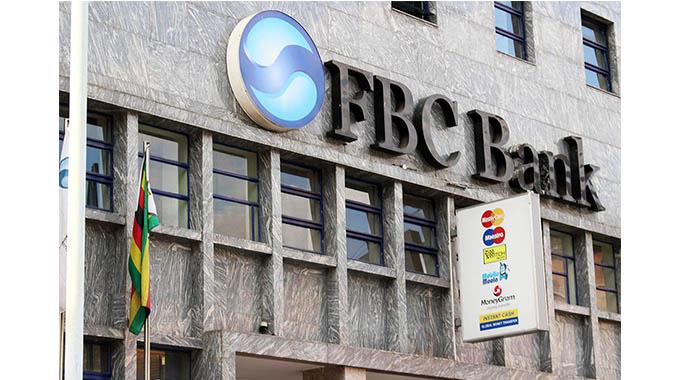
FBC Holdings is locked in a tax dispute with the Zimbabwe Revenue Authority involving an alleged liability of about US$10 million, with the bank expressing confidence it will successfully challenge the assessment in court.
The dispute relates to the tax treatment of interest expenses under Zimbabwe's Income Tax Act and covers the period between 2019 and 2024.
In its 2025 financial statements, FBC said it is engaged in ongoing discussions with Zimra over the interpretation of certain transactions, maintaining that its position is legally sound. As a result, the group has not made provisions for the potential liability, classifying it instead as a contingent exposure.
If Zimra's position prevails, the bank could face additional taxes amounting to US$9.4 million and ZiG49.4 million, excluding penalties and interest. With additional charges, provisional assessments could rise to US$18.2 million and ZiG72 million.
FBC chief executive Trynos Kufazvinei said the group had carefully reviewed the matter with legal and tax advisers before adopting its stance.
"It is a liability we have not provided for because the issue is still under discussion and remains somewhat vague," he said, adding that the bank believes its interpretation of the law is correct.
The dispute briefly threatened the group's access to foreign credit lines, with the bank considering suspending about US$80 million in facilities used to support lending in the economy.
The matter was escalated by the banking sector through the Bankers Association of Zimbabwe to the Ministry of Finance, culminating in a policy shift announced by Finance Minister Mthuli Ncube in the 2026 national budget.
Ncube acknowledged that existing tax rules created a mismatch by disallowing the deduction of interest expenses on deposits, effectively overstating taxable profits for banks. He proposed reforms to allow such costs to be treated as deductible, with effect from January 1, 2026.
Analysts say the dispute highlights the importance of regulatory clarity, warning that uncertainty around tax treatment can discourage banks from raising offshore capital and expanding lending.
While the case remains unresolved, the policy adjustment is seen as a positive step toward improving confidence in Zimbabwe's financial sector and ensuring banks can continue to support economic activity.
The dispute relates to the tax treatment of interest expenses under Zimbabwe's Income Tax Act and covers the period between 2019 and 2024.
In its 2025 financial statements, FBC said it is engaged in ongoing discussions with Zimra over the interpretation of certain transactions, maintaining that its position is legally sound. As a result, the group has not made provisions for the potential liability, classifying it instead as a contingent exposure.
If Zimra's position prevails, the bank could face additional taxes amounting to US$9.4 million and ZiG49.4 million, excluding penalties and interest. With additional charges, provisional assessments could rise to US$18.2 million and ZiG72 million.
FBC chief executive Trynos Kufazvinei said the group had carefully reviewed the matter with legal and tax advisers before adopting its stance.
"It is a liability we have not provided for because the issue is still under discussion and remains somewhat vague," he said, adding that the bank believes its interpretation of the law is correct.
The dispute briefly threatened the group's access to foreign credit lines, with the bank considering suspending about US$80 million in facilities used to support lending in the economy.
The matter was escalated by the banking sector through the Bankers Association of Zimbabwe to the Ministry of Finance, culminating in a policy shift announced by Finance Minister Mthuli Ncube in the 2026 national budget.
Ncube acknowledged that existing tax rules created a mismatch by disallowing the deduction of interest expenses on deposits, effectively overstating taxable profits for banks. He proposed reforms to allow such costs to be treated as deductible, with effect from January 1, 2026.
Analysts say the dispute highlights the importance of regulatory clarity, warning that uncertainty around tax treatment can discourage banks from raising offshore capital and expanding lending.
While the case remains unresolved, the policy adjustment is seen as a positive step toward improving confidence in Zimbabwe's financial sector and ensuring banks can continue to support economic activity.
Source - The Herald
Join the discussion
Loading comments…



