News / National
Scepticism grows over new ZiG banknotes
08 Apr 2026 at 10:35hrs |
0 Views
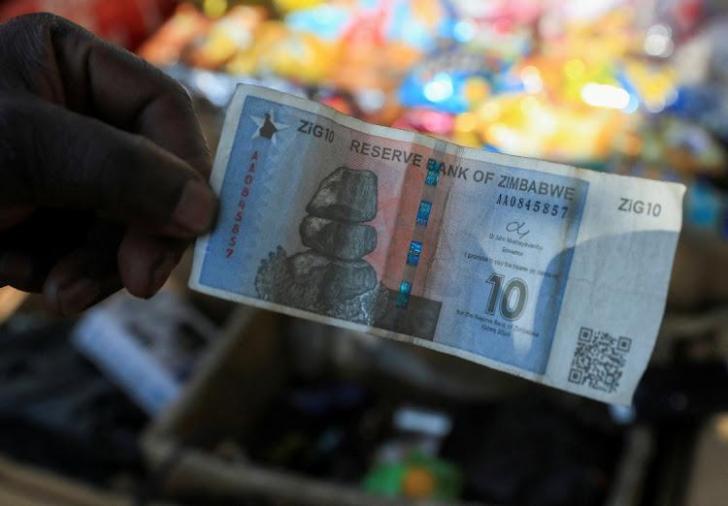
Zimbabweans have expressed scepticism over the rollout of upgraded Zimbabwe Gold (ZiG) banknotes, which began on Tuesday, with many citizens saying the local currency still lacks value and is not widely accepted in everyday transactions.
The Reserve Bank of Zimbabwe (Reserve Bank of Zimbabwe) introduced a new set of ZiG banknotes, known as the "Big Five," as part of measures announced in the February 2026 Monetary Policy Statement. The central bank says the redesign is intended to improve durability and extend the lifespan of notes in circulation.
The new notes are being introduced in phases, beginning with ZWG10, ZWG20 and ZWG50 from 7 April 2026, with higher denominations and coins expected later.
However, reactions from residents suggest limited public confidence in the currency.
In street interviews conducted in Harare, some residents said repeated changes in banknote design have not improved trust in the ZiG system.
One resident, Aaron Tembo, said the currency has failed to gain acceptance beyond Zimbabwe's borders.
"We really do not care, whether it's a ZiG10, ZiG20, ZiG50 or whichever amount they recently released… we want money that has value," he said.
Others raised concerns about purchasing power and usability in daily transactions.
"We do not even want to see it at all because it does not buy anything, it has no value," said resident Cleopatra Chimangiwe.
Another resident, Arthur Mutsvene, said the currency is not widely accepted for essential goods and services, including fuel purchases.
"These bank notes are not allowed at any fuel pump while that is our own Zimbabwean currency," he said.
The central bank maintains that the phased introduction of upgraded notes and coins will improve circulation and meet public demand for smaller change.
Despite this, many households across parts of Zimbabwe — including provinces such as Masvingo Province and Matabeleland — continue to rely heavily on the South African rand and United States dollar, with ZiG usage reportedly more common in urban centres such as Harare.
The Reserve Bank of Zimbabwe (Reserve Bank of Zimbabwe) introduced a new set of ZiG banknotes, known as the "Big Five," as part of measures announced in the February 2026 Monetary Policy Statement. The central bank says the redesign is intended to improve durability and extend the lifespan of notes in circulation.
The new notes are being introduced in phases, beginning with ZWG10, ZWG20 and ZWG50 from 7 April 2026, with higher denominations and coins expected later.
However, reactions from residents suggest limited public confidence in the currency.
In street interviews conducted in Harare, some residents said repeated changes in banknote design have not improved trust in the ZiG system.
One resident, Aaron Tembo, said the currency has failed to gain acceptance beyond Zimbabwe's borders.
Others raised concerns about purchasing power and usability in daily transactions.
"We do not even want to see it at all because it does not buy anything, it has no value," said resident Cleopatra Chimangiwe.
Another resident, Arthur Mutsvene, said the currency is not widely accepted for essential goods and services, including fuel purchases.
"These bank notes are not allowed at any fuel pump while that is our own Zimbabwean currency," he said.
The central bank maintains that the phased introduction of upgraded notes and coins will improve circulation and meet public demand for smaller change.
Despite this, many households across parts of Zimbabwe — including provinces such as Masvingo Province and Matabeleland — continue to rely heavily on the South African rand and United States dollar, with ZiG usage reportedly more common in urban centres such as Harare.
Source - NewZimbabwe
Join the discussion
Loading comments…


