News / National
'2030 Agenda' reflects Zanu-PF succession battle
28 May 2026 at 18:08hrs |
0 Views
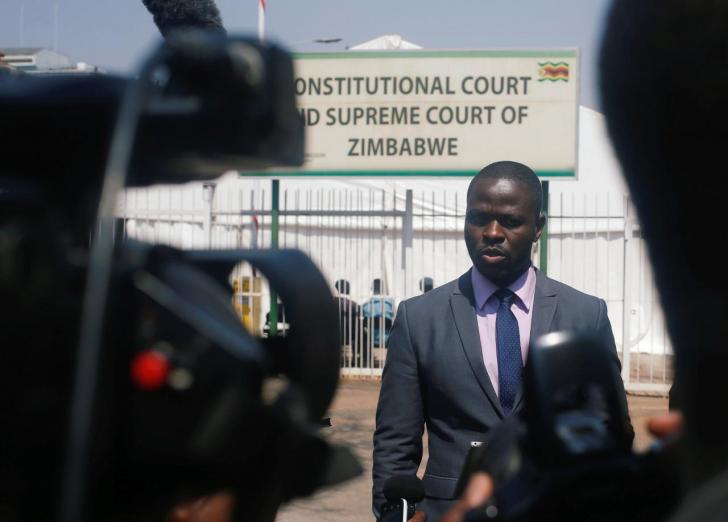
Former MDC Alliance leader Nelson Chamisa spokesperson Nkululeko Sibanda says debate surrounding Constitutional Amendment No. 3 (CAB3) and the "2030 agenda" has little relevance to ordinary Zimbabweans and instead reflects an intensifying succession struggle within ZANU PF.
Speaking during a press conference in Bulawayo on Monday, Sibanda warned that Zimbabwe was entering what he described as "active coup mode" amid growing tensions inside the ruling party.
Sibanda, who recently faced criticism over remarks interpreted as support for CAB3, said his comments had been misunderstood.
"I do not see ‘2030' as useful to the country, but I think we should have a more serious debate about it," he said.
He argued that national discussions had become trapped in constitutional technicalities while ignoring what he described as political influence over electoral institutions.
"What I care about is whether or not you can actually remove Zanu-PF influence on the elections — whether you can remove the Registrar General influencing the outcome of the election," Sibanda said.
He dismissed distinctions between the Zimbabwe Electoral Commission under chairperson Priscilla Chigumba and the Registrar General's Office.
"For me they are both Zanu PF," he said.
"Zanu PF wants us to have stupid debates around such an important national question."
Sibanda also criticised constitutional scholar Lovemore Madhuku, saying he rejected arguments narrowly focused on constitutional provisions.
"I just didn't agree with Madhuku. I never will. People need to start speaking," he said.
Referring to Zimbabwe's disputed 2013 elections, Sibanda alleged that court processes had previously been used to shape political outcomes involving late former President Robert Mugabe and former Prime Minister Morgan Tsvangirai under the Global Political Agreement framework.
Sibanda further claimed tensions between President Emmerson Mnangagwa and Vice President Constantino Chiwenga had escalated into an internal power struggle.
"People need to realise the country is in active coup mode," he said.
"A palace coup is taking place. Either the vice president is going to be couped out of the palace or the president is going to be couped out of the palace."
He alleged the fallout stemmed from a power-sharing arrangement reached after the 2017 military-assisted transition that removed Mugabe from office.
"Mnangagwa is not happy with his agreement with Chiwenga and therefore wants to find a way to correct the agreement," Sibanda said.
He warned that divisions within Zanu-PF were deepening and becoming increasingly difficult to reverse.
"Either one of them dies, the other runs away, or they reconcile. And I don't think they will reconcile," he said.
Sibanda urged opposition parties and the media to focus on broader national concerns instead of what he described as manufactured debates driven by the ruling party.
"The media can help us raise these issues. Zanu PF literally tells us what to think, when to think, and we all think that way," he said.
Speaking during a press conference in Bulawayo on Monday, Sibanda warned that Zimbabwe was entering what he described as "active coup mode" amid growing tensions inside the ruling party.
Sibanda, who recently faced criticism over remarks interpreted as support for CAB3, said his comments had been misunderstood.
"I do not see ‘2030' as useful to the country, but I think we should have a more serious debate about it," he said.
He argued that national discussions had become trapped in constitutional technicalities while ignoring what he described as political influence over electoral institutions.
"What I care about is whether or not you can actually remove Zanu-PF influence on the elections — whether you can remove the Registrar General influencing the outcome of the election," Sibanda said.
He dismissed distinctions between the Zimbabwe Electoral Commission under chairperson Priscilla Chigumba and the Registrar General's Office.
"For me they are both Zanu PF," he said.
"Zanu PF wants us to have stupid debates around such an important national question."
Sibanda also criticised constitutional scholar Lovemore Madhuku, saying he rejected arguments narrowly focused on constitutional provisions.
"I just didn't agree with Madhuku. I never will. People need to start speaking," he said.
Referring to Zimbabwe's disputed 2013 elections, Sibanda alleged that court processes had previously been used to shape political outcomes involving late former President Robert Mugabe and former Prime Minister Morgan Tsvangirai under the Global Political Agreement framework.
Sibanda further claimed tensions between President Emmerson Mnangagwa and Vice President Constantino Chiwenga had escalated into an internal power struggle.
"People need to realise the country is in active coup mode," he said.
"A palace coup is taking place. Either the vice president is going to be couped out of the palace or the president is going to be couped out of the palace."
He alleged the fallout stemmed from a power-sharing arrangement reached after the 2017 military-assisted transition that removed Mugabe from office.
"Mnangagwa is not happy with his agreement with Chiwenga and therefore wants to find a way to correct the agreement," Sibanda said.
He warned that divisions within Zanu-PF were deepening and becoming increasingly difficult to reverse.
"Either one of them dies, the other runs away, or they reconcile. And I don't think they will reconcile," he said.
Sibanda urged opposition parties and the media to focus on broader national concerns instead of what he described as manufactured debates driven by the ruling party.
"The media can help us raise these issues. Zanu PF literally tells us what to think, when to think, and we all think that way," he said.
Source - newsday
Join the discussion
Loading comments…


