News / National
Zimbabwe freight sector hit by costly border delays
09 Apr 2026 at 08:49hrs |
0 Views
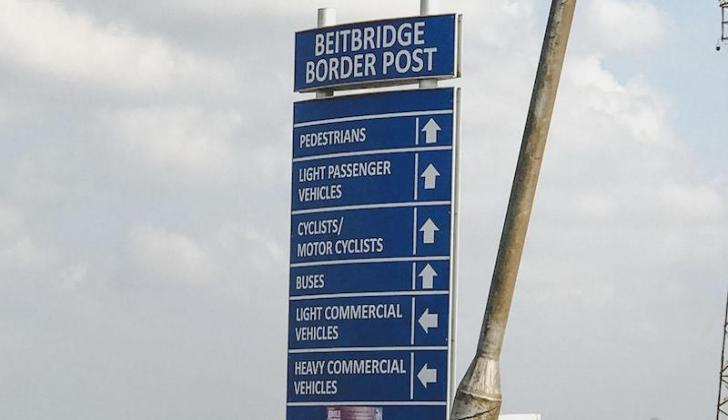
Long-haul freight operators in Zimbabwe are facing recurring delays and rising costs due to persistent non-tariff barriers, particularly at border posts such as Beitbridge, according to industry stakeholders.
Mike Fitzmaurice, chief executive of the Transit Assistance Bureau and sub-Saharan vice-president of the Union Africaine des Organisations des Transports et de la Logistique, said cargo movement continues to be hampered by 100% scanning requirements, limited infrastructure, and inconsistent coordination among enforcement agencies.
He said these challenges are repeatedly escalated to authorities including the Zimbabwe Revenue Authority (Zimbabwe Revenue Authority) and the Office of the Presidency, but are often not resolved.
Fitzmaurice cited an incident over the Easter weekend in which a truck was stopped near Harare on April 3 and redirected to a ZIMRA storage facility for inspection. However, due to the long holiday, inspection staff were unavailable, leaving the vehicle and its cargo delayed until April 7.
He estimated the delay cost the transport industry approximately US$550 per day, adding that such disruptions are becoming routine and costly for operators.
He further argued that inefficiencies stem from poor coordination between intelligence-driven compliance systems and enforcement "task teams," which he said operate independently and often target vehicles without risk-based prioritisation.
At the centre of industry frustration is the Beitbridge border post with South Africa, despite a major infrastructure upgrade costing between US$160 million and US$172 million aimed at reducing clearance times to around three hours.
However, Fitzmaurice said full cargo scanning, limited inspection bays, and staffing constraints continue to cause bottlenecks. He noted that while operators pay a US$200 border access fee intended to improve efficiency, delays often extend to a full day or more.
As a result, some freight operators are increasingly diverting traffic through alternative routes such as Kazungula into Botswana and Groblersbrug in South Africa, bypassing Zimbabwe altogether.
He warned that these inefficiencies are undermining Zimbabwe's potential as a regional transit hub, arguing that improved coordination and risk-based clearance systems could significantly boost revenue and trade competitiveness.
Mike Fitzmaurice, chief executive of the Transit Assistance Bureau and sub-Saharan vice-president of the Union Africaine des Organisations des Transports et de la Logistique, said cargo movement continues to be hampered by 100% scanning requirements, limited infrastructure, and inconsistent coordination among enforcement agencies.
He said these challenges are repeatedly escalated to authorities including the Zimbabwe Revenue Authority (Zimbabwe Revenue Authority) and the Office of the Presidency, but are often not resolved.
Fitzmaurice cited an incident over the Easter weekend in which a truck was stopped near Harare on April 3 and redirected to a ZIMRA storage facility for inspection. However, due to the long holiday, inspection staff were unavailable, leaving the vehicle and its cargo delayed until April 7.
He estimated the delay cost the transport industry approximately US$550 per day, adding that such disruptions are becoming routine and costly for operators.
At the centre of industry frustration is the Beitbridge border post with South Africa, despite a major infrastructure upgrade costing between US$160 million and US$172 million aimed at reducing clearance times to around three hours.
However, Fitzmaurice said full cargo scanning, limited inspection bays, and staffing constraints continue to cause bottlenecks. He noted that while operators pay a US$200 border access fee intended to improve efficiency, delays often extend to a full day or more.
As a result, some freight operators are increasingly diverting traffic through alternative routes such as Kazungula into Botswana and Groblersbrug in South Africa, bypassing Zimbabwe altogether.
He warned that these inefficiencies are undermining Zimbabwe's potential as a regional transit hub, arguing that improved coordination and risk-based clearance systems could significantly boost revenue and trade competitiveness.
Source - FreightNews
Join the discussion
Loading comments…


