News / National
Mnangagwa biography directive sparks outrage
10 Apr 2026 at 11:27hrs |
0 Views
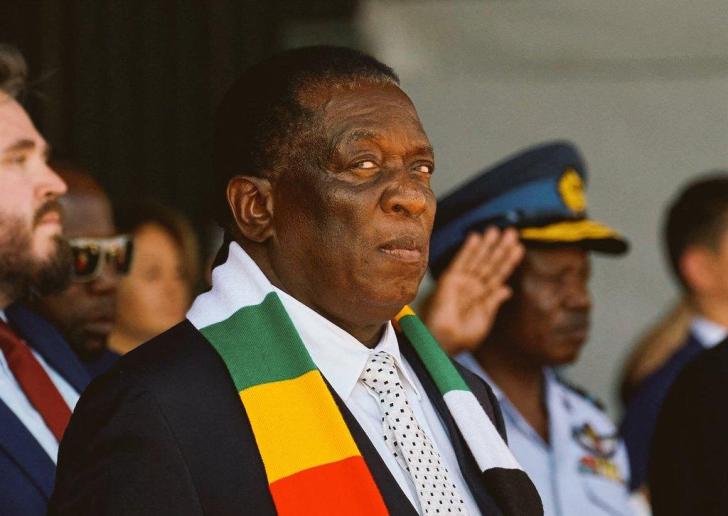
A government directive instructing local authorities to purchase and distribute copies of President Emmerson Mnangagwa's revised and translated biography, A Life of Sacrifice, has triggered widespread criticism from analysts and civic groups, who say it risks turning public institutions into tools of political promotion.
The instruction, issued by the Local Government ministry through permanent secretary John Basera in a March 31 memo, requires all councils to procure the book at US$17 per copy, or US$15 for bulk orders of 100 or more. Councils have also been directed to distribute the books to schools.
The directive has raised concerns about whether scarce public resources are being diverted from essential services such as water supply, waste management and road maintenance.
Political analyst Vivid Gwede said compulsory procurement of political biographies is inappropriate in democratic settings.
"Biographies, even of political leaders, are personal accounts that should be read out of private interest, not enforced," he said, warning against what he described as "cult of personality" tendencies.
Analyst Rejoice Ngwenya also criticised the move, calling it "deeply worrying" and suggesting it reflected excessive political desperation.
He argued that teachers' unions and civil society groups should challenge the directive in court if it is enforced.
The Zimbabwe Union of Residents and Ratepayers Associations (ZURRA) also expressed concern, saying local authorities should not be compelled to divert funds from pressing service delivery needs to purchase political publications.
The organisation argued that such directives undermine constitutional principles of devolution and local authority autonomy, and warned against the misuse of public funds for non-core expenditures.
Analyst Ruben Mbofana added that, given the structure of public administration, councils may feel obliged to comply even if the directive is officially described as voluntary.
He also raised concerns about the decision to distribute the books to schools, saying it bypasses the Ministry of Primary and Secondary Education and sets a precedent for introducing politically-linked material outside established approval systems.
Government spokesperson Gabriel Masvora, however, dismissed claims of coercion, saying the purchase of the books is voluntary.
Zanu PF central committee member Esau Mupfumi defended the initiative, saying the biography reflects the country's Vision 2030 agenda and should be widely read.
He further argued that the President's leadership role makes the publication relevant to all citizens.
The controversy comes amid broader debates over the increasing visibility of presidential symbolism in public spaces, including the renaming of infrastructure projects and unofficial commemorations linked to the President's birthday, which supporters have promoted as Munhumutapa Day.
The historical reference draws from the ancient Mutapa Empire, which once covered parts of present-day Zimbabwe and Mozambique, and is often invoked in nationalist historical narratives.
The instruction, issued by the Local Government ministry through permanent secretary John Basera in a March 31 memo, requires all councils to procure the book at US$17 per copy, or US$15 for bulk orders of 100 or more. Councils have also been directed to distribute the books to schools.
The directive has raised concerns about whether scarce public resources are being diverted from essential services such as water supply, waste management and road maintenance.
Political analyst Vivid Gwede said compulsory procurement of political biographies is inappropriate in democratic settings.
"Biographies, even of political leaders, are personal accounts that should be read out of private interest, not enforced," he said, warning against what he described as "cult of personality" tendencies.
Analyst Rejoice Ngwenya also criticised the move, calling it "deeply worrying" and suggesting it reflected excessive political desperation.
He argued that teachers' unions and civil society groups should challenge the directive in court if it is enforced.
The Zimbabwe Union of Residents and Ratepayers Associations (ZURRA) also expressed concern, saying local authorities should not be compelled to divert funds from pressing service delivery needs to purchase political publications.
The organisation argued that such directives undermine constitutional principles of devolution and local authority autonomy, and warned against the misuse of public funds for non-core expenditures.
Analyst Ruben Mbofana added that, given the structure of public administration, councils may feel obliged to comply even if the directive is officially described as voluntary.
He also raised concerns about the decision to distribute the books to schools, saying it bypasses the Ministry of Primary and Secondary Education and sets a precedent for introducing politically-linked material outside established approval systems.
Government spokesperson Gabriel Masvora, however, dismissed claims of coercion, saying the purchase of the books is voluntary.
Zanu PF central committee member Esau Mupfumi defended the initiative, saying the biography reflects the country's Vision 2030 agenda and should be widely read.
He further argued that the President's leadership role makes the publication relevant to all citizens.
The controversy comes amid broader debates over the increasing visibility of presidential symbolism in public spaces, including the renaming of infrastructure projects and unofficial commemorations linked to the President's birthday, which supporters have promoted as Munhumutapa Day.
The historical reference draws from the ancient Mutapa Empire, which once covered parts of present-day Zimbabwe and Mozambique, and is often invoked in nationalist historical narratives.
Source - newsday
Join the discussion
Loading comments…





