News / National
Zimbabwe targets 2,100MW renewable energy by 2030
11 Apr 2026 at 09:56hrs |
0 Views
Zimbabwe is intensifying efforts to accelerate renewable energy development as part of its broader strategy to achieve sustainable and climate-resilient growth.
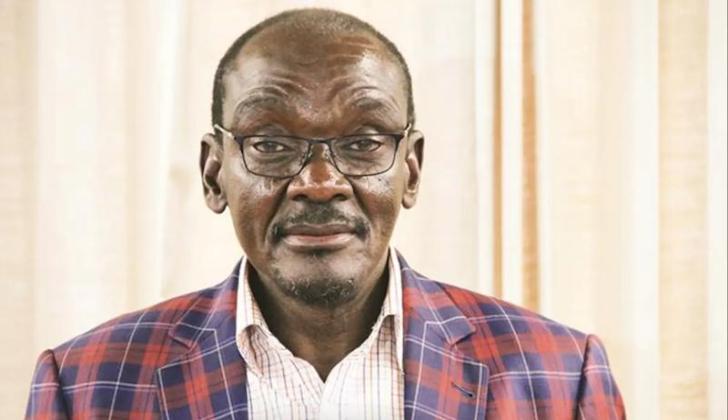
Speaking at the Renewable Energy Conference in Esigodini, Kembo Mohadi said the Government aims to generate 2 100MW of renewable energy by 2030, excluding large hydro power. This target represents more than 25 percent of the country's energy mix and aligns with global sustainability goals.
The conference drew key stakeholders including Zimbabwe Energy Regulatory Authority (ZERA), Zimbabwe Electricity Supply Authority (ZESA), the Rural Electrification Agency (REA), local authorities and academic institutions.
Mohadi said the transition from coal to renewable energy is critical to improving power reliability, diversifying energy sources and strengthening resilience to climate change.
"Government's target aligns with Sustainable Development Goal 7, which focuses on ensuring access to affordable, reliable and sustainable energy for all," he said.
He highlighted several policy frameworks supporting this transition, including the National Renewable Energy Policy and the National Energy Efficiency Policy, both aimed at promoting clean energy technologies and improving efficiency across sectors such as industry, mining, agriculture and transport.
The Government has also introduced incentives to attract investment, including reduced licensing fees for renewable projects and scrapping fees entirely for projects below 10MW. These measures are designed to lower entry barriers and improve project bankability.
Seven Independent Power Producers (IPPs) have already secured Government Project Support Agreements, while additional measures such as tax exemptions on imported equipment and access to pension fund financing have been introduced to boost investor confidence.
Energy and Power Development Minister July Moyo emphasised the importance of partnerships in achieving these targets.
"Government cannot do it alone. Public-private partnerships are essential for us to meet our energy goals," he said.
Progress has also been made in rural electrification. According to Mohadi, 6 713 out of 8 922 rural public institutions - including schools and clinics - have already been electrified through grid and solar systems.
To further support innovation, Zimbabwe is establishing a Solar Technology Application Resource Centre at Chinhoyi University of Technology in partnership with the International Solar Alliance.
With increasing energy demand and global pressure to transition to cleaner systems, the Government says strengthening collaboration between public and private stakeholders will be key to achieving its Vision 2030 targets and ensuring a sustainable energy future.
Speaking at the Renewable Energy Conference in Esigodini, Kembo Mohadi said the Government aims to generate 2 100MW of renewable energy by 2030, excluding large hydro power. This target represents more than 25 percent of the country's energy mix and aligns with global sustainability goals.
The conference drew key stakeholders including Zimbabwe Energy Regulatory Authority (ZERA), Zimbabwe Electricity Supply Authority (ZESA), the Rural Electrification Agency (REA), local authorities and academic institutions.
Mohadi said the transition from coal to renewable energy is critical to improving power reliability, diversifying energy sources and strengthening resilience to climate change.
"Government's target aligns with Sustainable Development Goal 7, which focuses on ensuring access to affordable, reliable and sustainable energy for all," he said.
He highlighted several policy frameworks supporting this transition, including the National Renewable Energy Policy and the National Energy Efficiency Policy, both aimed at promoting clean energy technologies and improving efficiency across sectors such as industry, mining, agriculture and transport.
Seven Independent Power Producers (IPPs) have already secured Government Project Support Agreements, while additional measures such as tax exemptions on imported equipment and access to pension fund financing have been introduced to boost investor confidence.
Energy and Power Development Minister July Moyo emphasised the importance of partnerships in achieving these targets.
"Government cannot do it alone. Public-private partnerships are essential for us to meet our energy goals," he said.
Progress has also been made in rural electrification. According to Mohadi, 6 713 out of 8 922 rural public institutions - including schools and clinics - have already been electrified through grid and solar systems.
To further support innovation, Zimbabwe is establishing a Solar Technology Application Resource Centre at Chinhoyi University of Technology in partnership with the International Solar Alliance.
With increasing energy demand and global pressure to transition to cleaner systems, the Government says strengthening collaboration between public and private stakeholders will be key to achieving its Vision 2030 targets and ensuring a sustainable energy future.
Source - The Herald
Join the discussion
Loading comments…



