News / National
Why Mnangagwa sacked CIO boss
12 Apr 2026 at 09:25hrs |
2426 Views
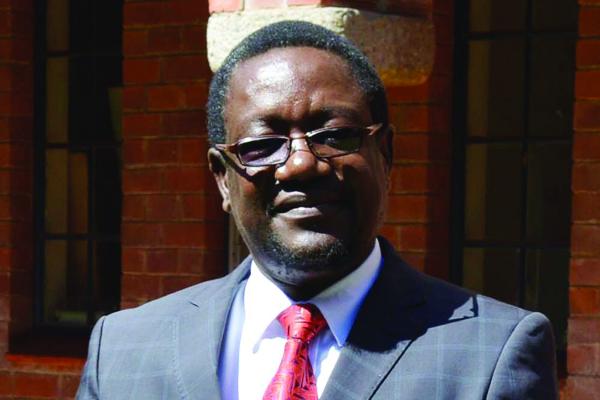
President Emmerson Mnangagwa has dismissed Central Intelligence Organisation (CIO) director-general Fulton Mangwanya following escalating internal divisions within the ruling Zanu PF over controversial plans to extend his presidency beyond constitutional limits.
Mangwanya, who had held the influential post for just 15 months after his appointment in January last year, was relieved of his duties on Friday. He has been replaced by Paul Chikawa, Zimbabwe's former ambassador to China, according to sources familiar with developments.
Insiders say the dismissal follows months of mounting tension within the CIO, largely tied to the agency's perceived failure to contain growing opposition to proposals aimed at extending Mnangagwa's term by an additional two years. The president's current tenure is set to end in 2028, but loyalists have been pushing for constitutional amendments to prolong his stay in power.
At the centre of the fallout is the so-called Geza movement, an anti–term extension campaign initially led by the late Blessing Geza, a former Zanu PF central committee member who died in exile in South Africa in February. Geza had been expelled from the ruling party after spearheading an internal revolt and had used online platforms, including YouTube, to deliver nightly critiques of Mnangagwa and his inner circle.
Following Geza's death, the movement has reportedly regrouped under war veteran Knox Chivero, who resurfaced publicly earlier this month. His sudden reappearance on Geza's X account on April 2 is said to have caught intelligence officials off guard, angering senior figures within Mnangagwa's camp.
"The Knox issue was the last straw," one source said, describing the CIO's inability to track Chivero as a critical intelligence failure that ultimately sealed Mangwanya's fate.
Further pressure came from retired air marshal Henry Muchena, who, on behalf of a group of unnamed former military commanders, issued a strongly worded letter to Parliament opposing the proposed constitutional changes. The amendments reportedly seek to transfer presidential electoral powers from the public to Parliament, permit traditional leaders to participate in politics, and reduce the influence of the military—provisions that contradict the 2013 constitution adopted through a national vote.
Mnangagwa is understood to have demanded the identities of those backing Muchena's position, including retired generals, war veterans and senior civil servants. However, the CIO allegedly failed to produce the requested intelligence, deepening dissatisfaction within the presidency.
The crisis has also exposed factional tensions within Zanu PF, with some of Mnangagwa's allies accusing Vice President Constantino Chiwenga of covertly supporting the Geza movement. Chiwenga is widely seen as a potential successor and is believed to oppose the constitutional amendments, which critics argue are designed to block his path to power.
Sources suggest Mangwanya's adherence to professional intelligence standards may have further strained his relationship with key figures in Mnangagwa's inner circle, who allegedly viewed his stance as disloyalty.
His removal marks a significant shift within Zimbabwe's security establishment, underscoring the intensifying political contestation over the country's leadership succession.
Mangwanya, who had held the influential post for just 15 months after his appointment in January last year, was relieved of his duties on Friday. He has been replaced by Paul Chikawa, Zimbabwe's former ambassador to China, according to sources familiar with developments.
Insiders say the dismissal follows months of mounting tension within the CIO, largely tied to the agency's perceived failure to contain growing opposition to proposals aimed at extending Mnangagwa's term by an additional two years. The president's current tenure is set to end in 2028, but loyalists have been pushing for constitutional amendments to prolong his stay in power.
At the centre of the fallout is the so-called Geza movement, an anti–term extension campaign initially led by the late Blessing Geza, a former Zanu PF central committee member who died in exile in South Africa in February. Geza had been expelled from the ruling party after spearheading an internal revolt and had used online platforms, including YouTube, to deliver nightly critiques of Mnangagwa and his inner circle.
Following Geza's death, the movement has reportedly regrouped under war veteran Knox Chivero, who resurfaced publicly earlier this month. His sudden reappearance on Geza's X account on April 2 is said to have caught intelligence officials off guard, angering senior figures within Mnangagwa's camp.
Further pressure came from retired air marshal Henry Muchena, who, on behalf of a group of unnamed former military commanders, issued a strongly worded letter to Parliament opposing the proposed constitutional changes. The amendments reportedly seek to transfer presidential electoral powers from the public to Parliament, permit traditional leaders to participate in politics, and reduce the influence of the military—provisions that contradict the 2013 constitution adopted through a national vote.
Mnangagwa is understood to have demanded the identities of those backing Muchena's position, including retired generals, war veterans and senior civil servants. However, the CIO allegedly failed to produce the requested intelligence, deepening dissatisfaction within the presidency.
The crisis has also exposed factional tensions within Zanu PF, with some of Mnangagwa's allies accusing Vice President Constantino Chiwenga of covertly supporting the Geza movement. Chiwenga is widely seen as a potential successor and is believed to oppose the constitutional amendments, which critics argue are designed to block his path to power.
Sources suggest Mangwanya's adherence to professional intelligence standards may have further strained his relationship with key figures in Mnangagwa's inner circle, who allegedly viewed his stance as disloyalty.
His removal marks a significant shift within Zimbabwe's security establishment, underscoring the intensifying political contestation over the country's leadership succession.
Source - The Standard
Join the discussion
Loading comments…





