News / National
Bulawayo transport system nears breakdown
12 Apr 2026 at 17:41hrs |
716 Views
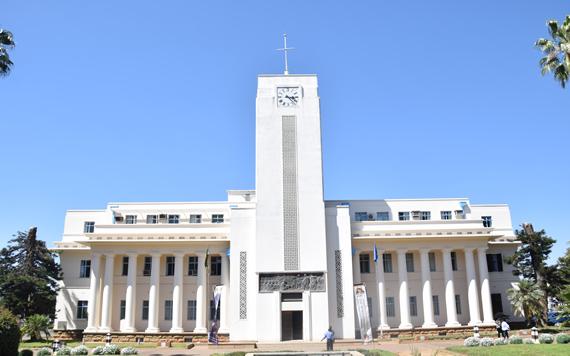
Bulawayo residents are facing a deepening public transport crisis marked by lawlessness, weak enforcement and steep fare increases, according to a recent report by the Bulawayo City Council.
Deliberations from municipal meetings reveal growing concern among councillors over what they describe as a near-total collapse of order in the sector, driven by illegal operators, poor regulation and exploitation of commuters.
Councillor Adrian Redani Moyo warned that implementation of transport policies is being severely undermined by a lack of enforcement and insufficient operational data.
He noted that council reports must include detailed information on fleet sizes and compliance levels, particularly the number of commuter omnibuses operating with valid documentation.
Council minutes indicate that enforcement in the central business district is "lacking dismally," creating space for illegal pick-up and drop-off points to flourish. Intercity and cross-border buses have also reportedly begun occupying urban parking bays, worsening congestion.
Concerns over fare hikes were raised by councillor Suzan Sithole, who highlighted a mismatch between rising operational costs and the fares being charged.
"Fuel prices in the country had gone up by US$0.30c but the public transport operators in the city had reviewed the fare from US$0.50c/R10 to $1. This was a 100% increase and it was not called for," she said.
The situation has intensified public calls for the reintroduction of conventional bus services, widely viewed as more affordable, reliable and professional compared to the dominant commuter omnibus system.
Councillor Greater Gumede said residents are also facing mistreatment from transport crews, including harassment and arbitrary fare increases.
Illegal private taxis, commonly known as mshikashika or Honda Fits, have further capitalised on the disorder, filling gaps left by the struggling formal system.
Councillor Lazarus Mphwade said restoring order among registered operators would help eliminate illegal pick-up points and bring structure back to the sector.
Meanwhile, councillor Mpumelelo Moyo called for a comprehensive review of the city's transport policy, proposing stricter licensing requirements, including minimum fleet sizes for operators.
Councillor Ashton Mhlanga also urged greater transparency, calling for councillors to have access to service level agreements governing transport operators in their wards.
Responding to the concerns, Director of Town Planning Wisdom Siziba said the council would provide more detailed operational data and engage transport operators over recent fare increases in collaboration with the Ministry of Transport.
Town Clerk Christopher Dube acknowledged that rising fuel costs - partly linked to global pressures such as the Middle East crisis - have contributed to higher fares, but warned that the increases are placing an "unsustainable burden" on residents.
The crisis has also raised safety concerns, with poor lighting at major termini such as Egodini contributing to rising criminal activity.
In response, the council is considering joint enforcement operations with police, improved infrastructure, and the adoption of smart policing technologies such as CCTV systems.
However, councillors cautioned that without decisive enforcement and accountability, Bulawayo's public transport system risks sliding further into chaos.
Deliberations from municipal meetings reveal growing concern among councillors over what they describe as a near-total collapse of order in the sector, driven by illegal operators, poor regulation and exploitation of commuters.
Councillor Adrian Redani Moyo warned that implementation of transport policies is being severely undermined by a lack of enforcement and insufficient operational data.
He noted that council reports must include detailed information on fleet sizes and compliance levels, particularly the number of commuter omnibuses operating with valid documentation.
Council minutes indicate that enforcement in the central business district is "lacking dismally," creating space for illegal pick-up and drop-off points to flourish. Intercity and cross-border buses have also reportedly begun occupying urban parking bays, worsening congestion.
Concerns over fare hikes were raised by councillor Suzan Sithole, who highlighted a mismatch between rising operational costs and the fares being charged.
"Fuel prices in the country had gone up by US$0.30c but the public transport operators in the city had reviewed the fare from US$0.50c/R10 to $1. This was a 100% increase and it was not called for," she said.
The situation has intensified public calls for the reintroduction of conventional bus services, widely viewed as more affordable, reliable and professional compared to the dominant commuter omnibus system.
Councillor Greater Gumede said residents are also facing mistreatment from transport crews, including harassment and arbitrary fare increases.
Illegal private taxis, commonly known as mshikashika or Honda Fits, have further capitalised on the disorder, filling gaps left by the struggling formal system.
Councillor Lazarus Mphwade said restoring order among registered operators would help eliminate illegal pick-up points and bring structure back to the sector.
Meanwhile, councillor Mpumelelo Moyo called for a comprehensive review of the city's transport policy, proposing stricter licensing requirements, including minimum fleet sizes for operators.
Councillor Ashton Mhlanga also urged greater transparency, calling for councillors to have access to service level agreements governing transport operators in their wards.
Responding to the concerns, Director of Town Planning Wisdom Siziba said the council would provide more detailed operational data and engage transport operators over recent fare increases in collaboration with the Ministry of Transport.
Town Clerk Christopher Dube acknowledged that rising fuel costs - partly linked to global pressures such as the Middle East crisis - have contributed to higher fares, but warned that the increases are placing an "unsustainable burden" on residents.
The crisis has also raised safety concerns, with poor lighting at major termini such as Egodini contributing to rising criminal activity.
In response, the council is considering joint enforcement operations with police, improved infrastructure, and the adoption of smart policing technologies such as CCTV systems.
However, councillors cautioned that without decisive enforcement and accountability, Bulawayo's public transport system risks sliding further into chaos.
Source - Southern Eye
Join the discussion
Loading comments…





