News / Regional
Something is brewing in Zimbabwe
03 May 2026 at 18:45hrs |
0 Views
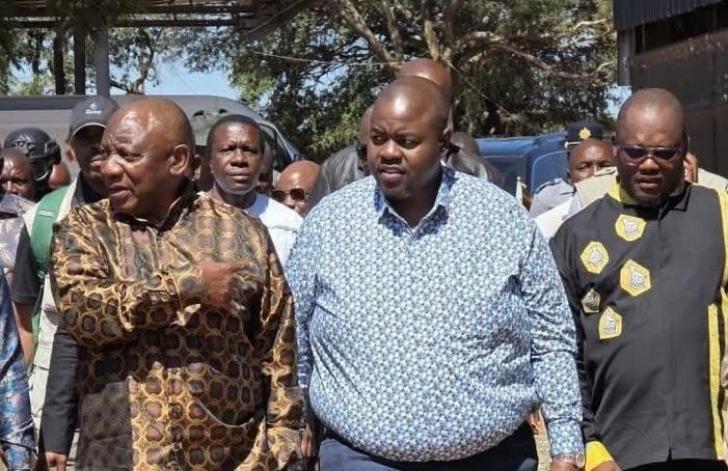
An unannounced visit by South African President Cyril Ramaphosa to Zimbabwe has sparked political speculation after he was hosted by President Emmerson Mnangagwa at his private Precabe Farm in Kwekwe, where several influential business figures were also present.
The engagement, which the South African government has since described as a discussion on "issues of mutual and bilateral interest," included prominent Zimbabwean businessmen Wicknell Chivayo, Kudakwashe Tagwirei and Paul Tungwarara.
The presence of the trio - often described as influential players in Zimbabwe's state-linked business ecosystem - has intensified scrutiny over the nature of the meeting and its broader political implications.
Vice President Constantino Chiwenga has in recent months publicly accused Tagwirei and Chivayo of "capturing the state," reflecting growing tensions within the ruling establishment over the influence of politically connected business figures.
The gathering comes amid reports of deepening divisions within the ruling party over a proposed constitutional amendment that could extend Mnangagwa's tenure beyond 2028. The proposal has reportedly faced resistance from factions aligned with Chiwenga, raising concerns of internal friction within ZANU PF.
Against this backdrop, Ramaphosa's private visit to the Kwekwe farm - which included a helicopter tour and informal discussions - has drawn attention due to its timing and composition.
While official accounts describe the meeting as routine diplomatic engagement, observers say the presence of powerful business actors alongside heads of state underscores the increasingly blurred lines between political authority and economic influence in Zimbabwe.
The informal setting, away from traditional diplomatic venues, has further fuelled speculation about the scope of discussions, though no official details have been released by either government.
Analysts say the visit highlights the complex intersection of regional diplomacy, domestic political tensions and elite business networks in Zimbabwe's governance landscape, particularly as internal party dynamics continue to evolve.
Ramaphosa has since returned to South Africa following the brief trip, leaving behind heightened political debate over both the symbolism and substance of the engagement.
The engagement, which the South African government has since described as a discussion on "issues of mutual and bilateral interest," included prominent Zimbabwean businessmen Wicknell Chivayo, Kudakwashe Tagwirei and Paul Tungwarara.
The presence of the trio - often described as influential players in Zimbabwe's state-linked business ecosystem - has intensified scrutiny over the nature of the meeting and its broader political implications.
Vice President Constantino Chiwenga has in recent months publicly accused Tagwirei and Chivayo of "capturing the state," reflecting growing tensions within the ruling establishment over the influence of politically connected business figures.
The gathering comes amid reports of deepening divisions within the ruling party over a proposed constitutional amendment that could extend Mnangagwa's tenure beyond 2028. The proposal has reportedly faced resistance from factions aligned with Chiwenga, raising concerns of internal friction within ZANU PF.
Against this backdrop, Ramaphosa's private visit to the Kwekwe farm - which included a helicopter tour and informal discussions - has drawn attention due to its timing and composition.
While official accounts describe the meeting as routine diplomatic engagement, observers say the presence of powerful business actors alongside heads of state underscores the increasingly blurred lines between political authority and economic influence in Zimbabwe.
The informal setting, away from traditional diplomatic venues, has further fuelled speculation about the scope of discussions, though no official details have been released by either government.
Analysts say the visit highlights the complex intersection of regional diplomacy, domestic political tensions and elite business networks in Zimbabwe's governance landscape, particularly as internal party dynamics continue to evolve.
Ramaphosa has since returned to South Africa following the brief trip, leaving behind heightened political debate over both the symbolism and substance of the engagement.
Source - online
Join the discussion
Loading comments…





