News / National
Parliament demands Ministerial statement on fuel pricing
12 Apr 2026 at 17:47hrs |
0 Views
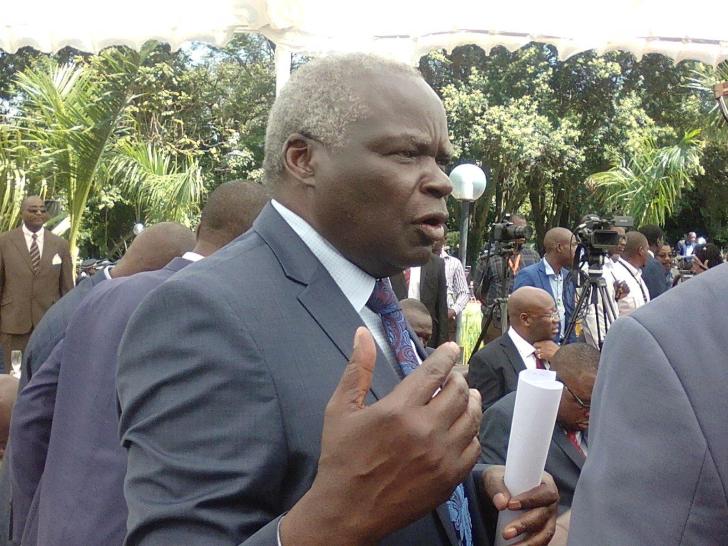
Energy and Power Development Minister July Moyo has been directed to issue a formal ministerial statement this week addressing growing concerns over fuel pricing mechanisms and alleged consumer exploitation in Zimbabwe's petroleum sector.
The directive came during a Senate session last Thursday, where lawmakers questioned the structure used to determine fuel prices, particularly the controversial "PLATZ PLUS" pricing system.
Senator Sesel Zvidzai raised concerns about how the final pump price is calculated, arguing that the current system lacks sufficient transparency and may allow excessive profit margins.
He explained that fuel pricing is based on a cumulative structure starting with the PLATZ international benchmark price, followed by premiums, storage fees, pipeline transportation costs, and other charges imposed by private distributors.
Zvidzai specifically referenced major fuel suppliers including Zuva, Puma, Glencore, and TotalEnergies, questioning whether existing regulatory frameworks are strong enough to prevent overpricing.
In response, the Leader of Government Business in the Senate, Lovemore Matuke, acknowledged that fuel pricing has become a recurring issue in Parliament.
"This question is coming for the third or fourth time about the fuel price and the costing structure," he said, confirming that Minister Moyo has been instructed to present a comprehensive statement to the House on Thursday.
Matuke said the statement is necessary given the frequent fluctuations in fuel prices and their broader economic impact.
The debate also highlighted growing concern over the knock-on effects of fuel costs on essential services, particularly education.
Senator Jane Chitsamba raised alarm over rising transport costs, warning that they are negatively affecting school attendance and academic performance for both learners and teachers.
Primary and Secondary Education Minister Torerai Moyo said government is monitoring global developments, including geopolitical tensions in oil-producing regions, which could influence international fuel prices.
He indicated that authorities are hoping for stabilisation or possible reductions in global petroleum costs, while domestic policy responses remain under consideration.
The forthcoming ministerial statement is expected to provide a detailed breakdown of Zimbabwe's fuel pricing formula and outline potential regulatory measures aimed at improving transparency and stabilising pump prices for consumers.
The directive came during a Senate session last Thursday, where lawmakers questioned the structure used to determine fuel prices, particularly the controversial "PLATZ PLUS" pricing system.
Senator Sesel Zvidzai raised concerns about how the final pump price is calculated, arguing that the current system lacks sufficient transparency and may allow excessive profit margins.
He explained that fuel pricing is based on a cumulative structure starting with the PLATZ international benchmark price, followed by premiums, storage fees, pipeline transportation costs, and other charges imposed by private distributors.
Zvidzai specifically referenced major fuel suppliers including Zuva, Puma, Glencore, and TotalEnergies, questioning whether existing regulatory frameworks are strong enough to prevent overpricing.
In response, the Leader of Government Business in the Senate, Lovemore Matuke, acknowledged that fuel pricing has become a recurring issue in Parliament.
"This question is coming for the third or fourth time about the fuel price and the costing structure," he said, confirming that Minister Moyo has been instructed to present a comprehensive statement to the House on Thursday.
Matuke said the statement is necessary given the frequent fluctuations in fuel prices and their broader economic impact.
The debate also highlighted growing concern over the knock-on effects of fuel costs on essential services, particularly education.
Senator Jane Chitsamba raised alarm over rising transport costs, warning that they are negatively affecting school attendance and academic performance for both learners and teachers.
Primary and Secondary Education Minister Torerai Moyo said government is monitoring global developments, including geopolitical tensions in oil-producing regions, which could influence international fuel prices.
He indicated that authorities are hoping for stabilisation or possible reductions in global petroleum costs, while domestic policy responses remain under consideration.
The forthcoming ministerial statement is expected to provide a detailed breakdown of Zimbabwe's fuel pricing formula and outline potential regulatory measures aimed at improving transparency and stabilising pump prices for consumers.
Source - The Standard
Join the discussion
Loading comments…





