News / National
Madzibaba Veshanduko abandoned by colleagues
12 Apr 2026 at 17:57hrs |
0 Views
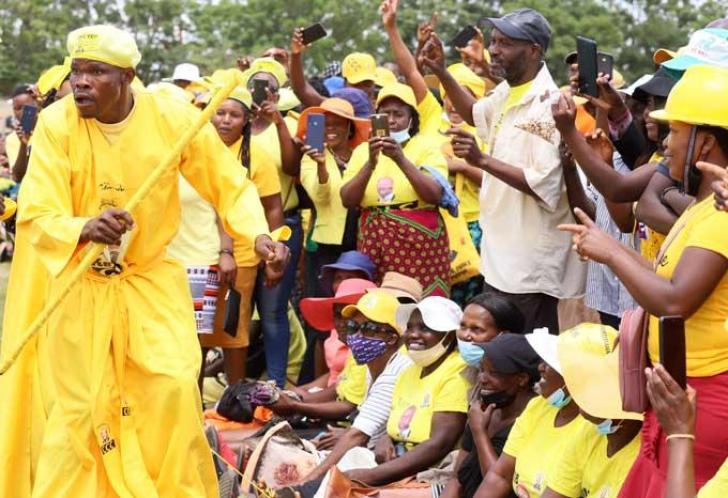
Inside the austere confines of a Zimbabwean remand prison, political activist Godfrey Karembera - popularly known as Madzibaba Veshanduko - says he is enduring not only incarceration, but isolation that cuts deeper than the bars surrounding him.
Once a familiar and animated figure on the streets of Harare, known for his satirical performances and mobilising presence within opposition circles, Karembera now describes a life marked by silence, uncertainty, and the absence of political comrades who once stood beside him.
"Maybe they are failing to visit me for valid reasons," he said during a recent prison visit. "I remember when Ostallos (Gift Siziba) wanted to visit me, it took him a lot to get authorisation. Maybe they are facing the same challenges. But I haven't heard from them for a long time."
Karembera, a supporter of the Citizens Coalition for Change (CCC), was arrested in October 2025 following what authorities described as a high-speed police pursuit. He is accused of distributing pamphlets linked to a planned protest dubbed the "One Million Men March," organised by the late liberation war veteran Blessed Geza.
The state has maintained that such activities fall under attempts to incite public disorder, invoking provisions of the Maintenance of Peace and Order Act (MOPA), legislation long criticised by human rights defenders for restricting freedoms of assembly and expression.
Karembera, however, insists his role was misinterpreted and politically amplified due to his public profile. He says his arrest reflects a broader pattern of shrinking democratic space in Zimbabwe, where dissenting voices increasingly face detention and prosecution.
The crackdown has not been limited to him. Former CCC legislator and lawyer Jameson Timba was among dozens arrested during a private gathering in 2024, while other activists remain in prolonged pre-trial detention, often denied bail on grounds of public interest.
Authorities argue these measures are necessary to prevent destabilisation and maintain order, with police previously describing some gatherings as posing a "counter-revolutionary insurrection" risk.
Civil society organisations, however, say the use of such language reflects an increasingly securitised approach to political expression. They also point to recent legislative developments, including the Private Voluntary Organisations Amendment Act, which they argue has tightened state oversight over civic activity.
For Karembera, the personal cost of his detention has been severe. As the primary breadwinner for his family, he says incarceration has left his household struggling to survive.
"My eldest sons, aged 22 and 18, are currently unemployed," he said. "We used to survive on projects I was doing, but now everything has stopped."
His wife, Enia Musora, echoed the hardship facing the family, describing their inability to consistently provide basic support during prison visits.
"Taking care of the children alone is not easy, and sometimes we fail even to bring him something to eat," she said. "We are trying, but life has become very hard."
Beyond material hardship, Karembera also expressed disappointment at what he perceives as political abandonment by allies within the opposition movement. He suggested that factional tensions and internal divisions may have contributed to his isolation, though he denied allegations of disloyalty.
"I never sold out. I have been consistent about my position," he said. "The charges laid against me are just unfounded."
He added that broader divisions within opposition ranks were weakening the struggle for democratic reform.
"There is nothing that can be achieved when people are divided. There is a need for unity," he said.
Despite his circumstances, Karembera says he has received support from individuals outside political structures, including members of the public who have assisted his family with food and basic necessities.
"There are good Samaritans - people I never worked with - who are helping me with meals and showing solidarity," he said.
As his case continues, Karembera remains in remand prison awaiting trial, his situation increasingly emblematic of a broader debate over political freedoms, state authority, and the future of dissent in Zimbabwe.
Once a familiar and animated figure on the streets of Harare, known for his satirical performances and mobilising presence within opposition circles, Karembera now describes a life marked by silence, uncertainty, and the absence of political comrades who once stood beside him.
"Maybe they are failing to visit me for valid reasons," he said during a recent prison visit. "I remember when Ostallos (Gift Siziba) wanted to visit me, it took him a lot to get authorisation. Maybe they are facing the same challenges. But I haven't heard from them for a long time."
Karembera, a supporter of the Citizens Coalition for Change (CCC), was arrested in October 2025 following what authorities described as a high-speed police pursuit. He is accused of distributing pamphlets linked to a planned protest dubbed the "One Million Men March," organised by the late liberation war veteran Blessed Geza.
The state has maintained that such activities fall under attempts to incite public disorder, invoking provisions of the Maintenance of Peace and Order Act (MOPA), legislation long criticised by human rights defenders for restricting freedoms of assembly and expression.
Karembera, however, insists his role was misinterpreted and politically amplified due to his public profile. He says his arrest reflects a broader pattern of shrinking democratic space in Zimbabwe, where dissenting voices increasingly face detention and prosecution.
The crackdown has not been limited to him. Former CCC legislator and lawyer Jameson Timba was among dozens arrested during a private gathering in 2024, while other activists remain in prolonged pre-trial detention, often denied bail on grounds of public interest.
Authorities argue these measures are necessary to prevent destabilisation and maintain order, with police previously describing some gatherings as posing a "counter-revolutionary insurrection" risk.
Civil society organisations, however, say the use of such language reflects an increasingly securitised approach to political expression. They also point to recent legislative developments, including the Private Voluntary Organisations Amendment Act, which they argue has tightened state oversight over civic activity.
For Karembera, the personal cost of his detention has been severe. As the primary breadwinner for his family, he says incarceration has left his household struggling to survive.
His wife, Enia Musora, echoed the hardship facing the family, describing their inability to consistently provide basic support during prison visits.
"Taking care of the children alone is not easy, and sometimes we fail even to bring him something to eat," she said. "We are trying, but life has become very hard."
Beyond material hardship, Karembera also expressed disappointment at what he perceives as political abandonment by allies within the opposition movement. He suggested that factional tensions and internal divisions may have contributed to his isolation, though he denied allegations of disloyalty.
"I never sold out. I have been consistent about my position," he said. "The charges laid against me are just unfounded."
He added that broader divisions within opposition ranks were weakening the struggle for democratic reform.
"There is nothing that can be achieved when people are divided. There is a need for unity," he said.
Despite his circumstances, Karembera says he has received support from individuals outside political structures, including members of the public who have assisted his family with food and basic necessities.
"There are good Samaritans - people I never worked with - who are helping me with meals and showing solidarity," he said.
As his case continues, Karembera remains in remand prison awaiting trial, his situation increasingly emblematic of a broader debate over political freedoms, state authority, and the future of dissent in Zimbabwe.
Source - The Standard
Join the discussion
Loading comments…



