News / National
Chivayo millions fuel Mnangagwa 2030 dream
27 Apr 2026 at 15:20hrs |
0 Views
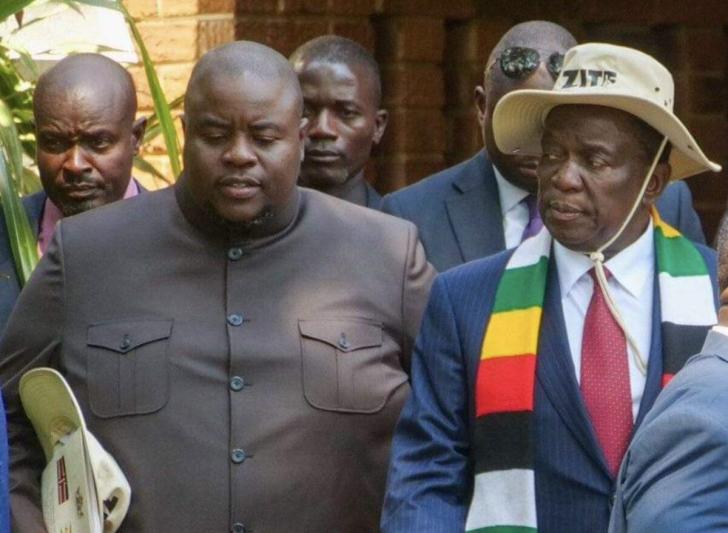
Controversial businessman Wicknell Chivayo is facing mounting scrutiny over a multi-million-dollar donation spree, with critics questioning whether the largesse is philanthropy or a calculated political investment tied to President Emmerson Mnangagwa's reported 2030 term extension ambitions.
Since January, Chivayo has pledged an estimated US$7 million in vehicles, cash, and sponsorships across key sectors including churches, sport, and entertainment.
While supporters describe him as a generous and patriotic businessman, critics argue the pattern of giving suggests a targeted effort to build influence ahead of the proposed Constitutional Amendment No. 3 Bill (CAB3), which could reshape Zimbabwe's political landscape.
Religious institutions have been among the biggest beneficiaries. Chivayo donated vehicles and cash worth over US$500,000 to Johanne Masowe eChishanu members, while also extending support to the Roman Catholic Church.
His most high-profile pledge involved a luxury vehicle and US$2 million donation to Nehemiah Mutendi of the Zion Christian Church (ZCC), who later publicly endorsed the "2030 agenda" at a major Easter gathering attended by Mnangagwa.
The sporting sector has also seen significant investment, including a US$1 million sponsorship package for Highlanders FC and luxury vehicle gifts to football figures such as Sunday Chidzambwa.
Analysts say these sectors are strategically influential, with strong grassroots support and the ability to shape public sentiment.
The most contentious move came when Chivayo pledged US$3.6 million to Parliament, later increasing it to US$5 million before redirecting the funds to ruling party structures.
Opposition figures, including Agency Gumbo of the Citizens Coalition for Change, condemned the move as an attempt to influence lawmakers.
"We will resist every attempt to commercialise the constitutional process," Gumbo said, arguing that financial incentives could undermine legislative independence.
The Zimbabwe Constitutional Movement also weighed in, suggesting the shifting nature of the donations could reflect internal tensions within the ruling party.
Critics broadly argue that the scale and targeting of the donations point to a deeper system of patronage, where financial power is used to shape political outcomes and consolidate influence.
Chivayo, however, maintains that his contributions are genuine acts of generosity and national development, pointing to donations such as ambulances to public hospitals and support for community initiatives.
As Zimbabwe's debate over constitutional reform and the 2030 agenda intensifies, Chivayo's spending has become a flashpoint in the broader discussion about money, power, and influence.
Whether viewed as philanthropy or political strategy, his actions have placed him at the centre of one of the country's most consequential political conversations.
Since January, Chivayo has pledged an estimated US$7 million in vehicles, cash, and sponsorships across key sectors including churches, sport, and entertainment.
While supporters describe him as a generous and patriotic businessman, critics argue the pattern of giving suggests a targeted effort to build influence ahead of the proposed Constitutional Amendment No. 3 Bill (CAB3), which could reshape Zimbabwe's political landscape.
Religious institutions have been among the biggest beneficiaries. Chivayo donated vehicles and cash worth over US$500,000 to Johanne Masowe eChishanu members, while also extending support to the Roman Catholic Church.
His most high-profile pledge involved a luxury vehicle and US$2 million donation to Nehemiah Mutendi of the Zion Christian Church (ZCC), who later publicly endorsed the "2030 agenda" at a major Easter gathering attended by Mnangagwa.
The sporting sector has also seen significant investment, including a US$1 million sponsorship package for Highlanders FC and luxury vehicle gifts to football figures such as Sunday Chidzambwa.
Analysts say these sectors are strategically influential, with strong grassroots support and the ability to shape public sentiment.
The most contentious move came when Chivayo pledged US$3.6 million to Parliament, later increasing it to US$5 million before redirecting the funds to ruling party structures.
Opposition figures, including Agency Gumbo of the Citizens Coalition for Change, condemned the move as an attempt to influence lawmakers.
"We will resist every attempt to commercialise the constitutional process," Gumbo said, arguing that financial incentives could undermine legislative independence.
The Zimbabwe Constitutional Movement also weighed in, suggesting the shifting nature of the donations could reflect internal tensions within the ruling party.
Critics broadly argue that the scale and targeting of the donations point to a deeper system of patronage, where financial power is used to shape political outcomes and consolidate influence.
Chivayo, however, maintains that his contributions are genuine acts of generosity and national development, pointing to donations such as ambulances to public hospitals and support for community initiatives.
As Zimbabwe's debate over constitutional reform and the 2030 agenda intensifies, Chivayo's spending has become a flashpoint in the broader discussion about money, power, and influence.
Whether viewed as philanthropy or political strategy, his actions have placed him at the centre of one of the country's most consequential political conversations.
Source - The Standard
Join the discussion
Loading comments…





