News / National
MP demands recognition for heroine Queen Lozikeyi
10 May 2026 at 20:19hrs |
0 Views
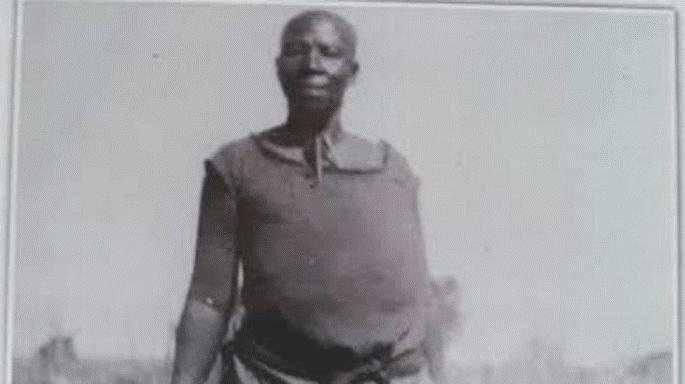
A renewed push to recognise one of Zimbabwe’s lesser-acknowledged liberation figures has emerged in Parliament, where Liyani Sibanda called for the grave of Queen Lozikeyi Dlodlo to be declared a national heritage site.
Queen Lozikeyi, the senior wife of King Lobengula Khumalo of the Ndebele Kingdom, played a significant leadership role during the turbulent collapse of the kingdom following colonial encroachment by the British South Africa Company in the late 19th century.
Sibanda told the National Assembly that Lozikeyi’s burial site in the Bubi District deserves formal recognition, arguing that her contribution to resistance history has been overlooked due to colonial-era bias and the underrepresentation of women in historical records.
Lozikeyi is widely remembered in oral traditions as a political strategist and a resistance figure during the Second Matabele War, where she is said to have encouraged fighters to resist colonial occupation. After her exile and reduced political influence under colonial rule, she settled in what is now known as Inkosikazi in Bubi District.
There, she reportedly supported the establishment of a school, a legacy Sibanda described as evidence of her belief that education was also a form of resistance and empowerment.
Queen Lozikeyi died in 1919 during the global influenza pandemic and was buried in a small, largely unmarked cemetery in Inkosikazi. Despite its cultural significance, the site remains neglected, with no formal monument recognising her role in Zimbabwe’s pre-colonial and anti-colonial history.
The call to elevate the site to national heritage status seeks to place it alongside major monuments such as Great Zimbabwe and memorials dedicated to figures like Mbuya Nehanda, thereby acknowledging the broader role of women in shaping resistance history.
If adopted, the proposal would mark a significant shift in how Zimbabwe formally preserves and presents its liberation heritage, particularly the contributions of female leaders in pre-colonial and anti-colonial struggles.
Queen Lozikeyi, the senior wife of King Lobengula Khumalo of the Ndebele Kingdom, played a significant leadership role during the turbulent collapse of the kingdom following colonial encroachment by the British South Africa Company in the late 19th century.
Sibanda told the National Assembly that Lozikeyi’s burial site in the Bubi District deserves formal recognition, arguing that her contribution to resistance history has been overlooked due to colonial-era bias and the underrepresentation of women in historical records.
Lozikeyi is widely remembered in oral traditions as a political strategist and a resistance figure during the Second Matabele War, where she is said to have encouraged fighters to resist colonial occupation. After her exile and reduced political influence under colonial rule, she settled in what is now known as Inkosikazi in Bubi District.
There, she reportedly supported the establishment of a school, a legacy Sibanda described as evidence of her belief that education was also a form of resistance and empowerment.
Queen Lozikeyi died in 1919 during the global influenza pandemic and was buried in a small, largely unmarked cemetery in Inkosikazi. Despite its cultural significance, the site remains neglected, with no formal monument recognising her role in Zimbabwe’s pre-colonial and anti-colonial history.
The call to elevate the site to national heritage status seeks to place it alongside major monuments such as Great Zimbabwe and memorials dedicated to figures like Mbuya Nehanda, thereby acknowledging the broader role of women in shaping resistance history.
If adopted, the proposal would mark a significant shift in how Zimbabwe formally preserves and presents its liberation heritage, particularly the contributions of female leaders in pre-colonial and anti-colonial struggles.
Source - The Standard
Join the discussion
Loading comments…



