News / National
Zimbabwe records Africa's sharpest fuel price hikes
16 May 2026 at 11:19hrs |
0 Views
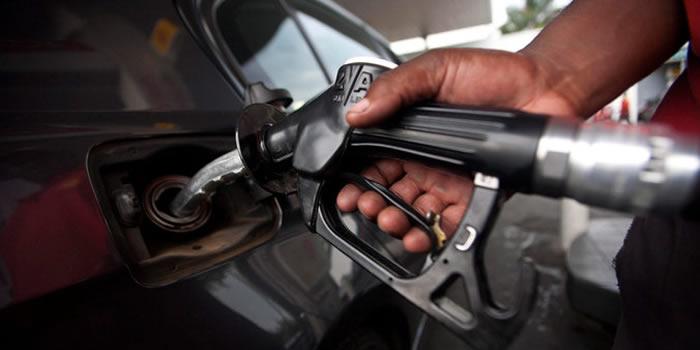
Zimbabwe imposed the steepest fuel price increases in Africa during the latest Middle East oil shock, according to a joint report by four major international institutions examining the economic fallout from tensions linked to the United States-Iran conflict.
The report, titled The Impacts of the Middle East Conflict on African Economies, was jointly prepared by the United Nations Development Programme, African Union, United Nations Economic Commission for Africa and the African Development Bank.
According to the report, Zimbabwe raised petrol prices by 39,1% between February 23 and March 23, 2026 - the highest increase among 55 African countries reviewed.
The sharp hikes followed fears that Iran could disrupt oil shipments through one of the world's most critical maritime crude oil routes amid escalating geopolitical tensions.
Egypt recorded the second-highest petrol increase at 14,3%, followed by Morocco at 13,9% and Sierra Leone at 12,3%.
"As of 23rd March 2026, nine countries had reported increases in gasoline pump prices averaging 10,9% compared to 23rd February," the report stated.
Zimbabwe also topped the continent in diesel price increases, recording a 35% rise during the same period.
Sierra Leone followed with a 22,8% increase, Morocco recorded 21,4%, Ghana 18,6% and Egypt 17,1%.
By comparison, countries such as South Africa, Rwanda, Tanzania and Lesotho implemented only modest or single-digit adjustments.
The findings have intensified debate over Zimbabwe's fuel pricing system and broader economic vulnerabilities.
Christopher Mugaga, chief executive officer of the Zimbabwe National Chamber of Commerce, said Zimbabwe's high fuel prices were driven by a combination of elevated import costs, taxes and limited access to international financial support.
"Zimbabwe is already about 20% above the regional average on the free on-board price before you even consider taxes and levies," Mugaga said.
He pointed to excise duties, road levies and the country's exclusion from International Monetary Fund and World Bank balance-of-payment support programmes as major contributors to high pump prices.
Research firm Equity Axis also warned that Zimbabwe's fuel pricing structure had become increasingly disconnected from regional market realities.
In a recent analysis, the firm noted that fuel transported through Zimbabwe to neighbouring countries often retails cheaper outside the country than within Zimbabwe itself.
"Fuel moving through Harare to Zambia ultimately retails at a lower price in Lusaka than in Harare. This is a structural anomaly," the advisory firm said.
Following a recent adjustment by the Zimbabwe Energy Regulatory Authority, petrol prices in Zimbabwe were reduced to US$2,08 per litre and diesel to US$2,09 after government increased ethanol blending from E5 to E20.
Despite the reduction, Zimbabwe's fuel prices remain among the highest in southern Africa.
Equity Axis noted that petrol in Zambia currently retails at about US$1,42 per litre, while diesel costs approximately US$1,56. In South Africa, diesel prices are around US$1,42 per litre, while Namibia recently reduced fuel levies resulting in petrol prices of about US$1,55 per litre.
The fuel price surge comes at a difficult time for Zimbabwean businesses already grappling with weak consumer demand, liquidity shortages, high interest rates and rising operational costs.
Industry leaders have repeatedly warned that elevated borrowing costs and tight monetary policies are worsening corporate distress and limiting economic recovery.
The report, titled The Impacts of the Middle East Conflict on African Economies, was jointly prepared by the United Nations Development Programme, African Union, United Nations Economic Commission for Africa and the African Development Bank.
According to the report, Zimbabwe raised petrol prices by 39,1% between February 23 and March 23, 2026 - the highest increase among 55 African countries reviewed.
The sharp hikes followed fears that Iran could disrupt oil shipments through one of the world's most critical maritime crude oil routes amid escalating geopolitical tensions.
Egypt recorded the second-highest petrol increase at 14,3%, followed by Morocco at 13,9% and Sierra Leone at 12,3%.
"As of 23rd March 2026, nine countries had reported increases in gasoline pump prices averaging 10,9% compared to 23rd February," the report stated.
Zimbabwe also topped the continent in diesel price increases, recording a 35% rise during the same period.
Sierra Leone followed with a 22,8% increase, Morocco recorded 21,4%, Ghana 18,6% and Egypt 17,1%.
By comparison, countries such as South Africa, Rwanda, Tanzania and Lesotho implemented only modest or single-digit adjustments.
The findings have intensified debate over Zimbabwe's fuel pricing system and broader economic vulnerabilities.
Christopher Mugaga, chief executive officer of the Zimbabwe National Chamber of Commerce, said Zimbabwe's high fuel prices were driven by a combination of elevated import costs, taxes and limited access to international financial support.
"Zimbabwe is already about 20% above the regional average on the free on-board price before you even consider taxes and levies," Mugaga said.
He pointed to excise duties, road levies and the country's exclusion from International Monetary Fund and World Bank balance-of-payment support programmes as major contributors to high pump prices.
Research firm Equity Axis also warned that Zimbabwe's fuel pricing structure had become increasingly disconnected from regional market realities.
In a recent analysis, the firm noted that fuel transported through Zimbabwe to neighbouring countries often retails cheaper outside the country than within Zimbabwe itself.
"Fuel moving through Harare to Zambia ultimately retails at a lower price in Lusaka than in Harare. This is a structural anomaly," the advisory firm said.
Following a recent adjustment by the Zimbabwe Energy Regulatory Authority, petrol prices in Zimbabwe were reduced to US$2,08 per litre and diesel to US$2,09 after government increased ethanol blending from E5 to E20.
Despite the reduction, Zimbabwe's fuel prices remain among the highest in southern Africa.
Equity Axis noted that petrol in Zambia currently retails at about US$1,42 per litre, while diesel costs approximately US$1,56. In South Africa, diesel prices are around US$1,42 per litre, while Namibia recently reduced fuel levies resulting in petrol prices of about US$1,55 per litre.
The fuel price surge comes at a difficult time for Zimbabwean businesses already grappling with weak consumer demand, liquidity shortages, high interest rates and rising operational costs.
Industry leaders have repeatedly warned that elevated borrowing costs and tight monetary policies are worsening corporate distress and limiting economic recovery.
Source - The Independent
Join the discussion
Loading comments…





