News / National
Pressure mounts on Mnangagwa over silence on xenophobia
13 Jun 2026 at 11:57hrs |
0 Views
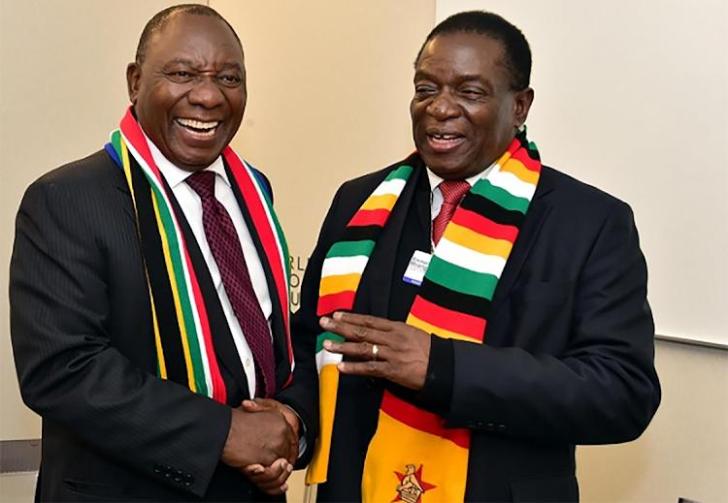
Growing xenophobic attacks and anti-immigrant sentiment in South Africa have intensified concerns among Zimbabweans, with increasing calls for President Emmerson Mnangagwa to publicly address the plight of citizens living and working across the border.
Zimbabweans constitute one of the largest foreign communities in South Africa and have frequently found themselves at the centre of anti-migrant campaigns, protests and sporadic outbreaks of violence.
Recent reports indicate that several African governments have urged their nationals to remain vigilant as tensions involving foreign nationals continue to escalate in parts of South Africa.
Against this backdrop, critics have questioned what they describe as the Zimbabwean government's muted public response to the concerns of its citizens abroad.
Civil society groups, opposition figures and some members of the public argue that when Zimbabweans face threats or discrimination outside the country, the government has a responsibility to speak out and engage the relevant authorities through diplomatic channels.
Political observers note that Zimbabwean authorities have previously responded publicly to tragedies involving citizens in South Africa, including fatal road accidents that claimed dozens of lives. On those occasions, President Mnangagwa expressed condolences and directed support to affected families.
The absence of a similarly visible response to recent xenophobic tensions has prompted debate about whether enough is being done to reassure Zimbabweans living in South Africa.
Commenting on the issue, opposition leader Mathew Sibanda said Zimbabweans abroad deserved to know that their government was actively advocating for their safety and welfare.
"Zimbabweans living in South Africa are not statistics. They are fathers, mothers, workers and students who contribute to both economies," Sibanda said.
"When they are threatened, the Zimbabwean government must speak with a clear and firm voice."
He argued that diplomacy should not come at the expense of protecting citizens facing uncertainty and fear.
"A government's first responsibility is the protection of its people," he said.
"Whether they are in Harare, Johannesburg, Cape Town or Durban, Zimbabweans deserve to know that their government stands with them."
Sibanda called for greater engagement between Harare and Pretoria, including the use of regional platforms such as Southern African Development Community to address xenophobia and strengthen protections for migrants.
"Zimbabwe and South Africa must work together to stop xenophobia and ensure that innocent people are protected," he said.
Authorities in South Africa have repeatedly condemned vigilante actions targeting foreign nationals, while Cyril Ramaphosa has pledged action against groups involved in xenophobic violence and unlawful activities.
For many Zimbabweans, however, the debate is no longer solely about what South African authorities are doing, but also whether their own government is doing enough to publicly defend and advocate for its citizens.
As concerns continue to grow among migrant communities, pressure is likely to mount on Emmerson Mnangagwa to address the issue directly and provide assurances that Zimbabweans living in South Africa remain a priority for his administration.
The issue has once again highlighted the complex relationship between migration, economic opportunity and regional diplomacy, as both Zimbabwe and South Africa grapple with the challenges posed by increasing anti-immigrant sentiment and social tensions.
Zimbabweans constitute one of the largest foreign communities in South Africa and have frequently found themselves at the centre of anti-migrant campaigns, protests and sporadic outbreaks of violence.
Recent reports indicate that several African governments have urged their nationals to remain vigilant as tensions involving foreign nationals continue to escalate in parts of South Africa.
Against this backdrop, critics have questioned what they describe as the Zimbabwean government's muted public response to the concerns of its citizens abroad.
Civil society groups, opposition figures and some members of the public argue that when Zimbabweans face threats or discrimination outside the country, the government has a responsibility to speak out and engage the relevant authorities through diplomatic channels.
Political observers note that Zimbabwean authorities have previously responded publicly to tragedies involving citizens in South Africa, including fatal road accidents that claimed dozens of lives. On those occasions, President Mnangagwa expressed condolences and directed support to affected families.
The absence of a similarly visible response to recent xenophobic tensions has prompted debate about whether enough is being done to reassure Zimbabweans living in South Africa.
Commenting on the issue, opposition leader Mathew Sibanda said Zimbabweans abroad deserved to know that their government was actively advocating for their safety and welfare.
"Zimbabweans living in South Africa are not statistics. They are fathers, mothers, workers and students who contribute to both economies," Sibanda said.
"When they are threatened, the Zimbabwean government must speak with a clear and firm voice."
He argued that diplomacy should not come at the expense of protecting citizens facing uncertainty and fear.
"A government's first responsibility is the protection of its people," he said.
"Whether they are in Harare, Johannesburg, Cape Town or Durban, Zimbabweans deserve to know that their government stands with them."
Sibanda called for greater engagement between Harare and Pretoria, including the use of regional platforms such as Southern African Development Community to address xenophobia and strengthen protections for migrants.
"Zimbabwe and South Africa must work together to stop xenophobia and ensure that innocent people are protected," he said.
Authorities in South Africa have repeatedly condemned vigilante actions targeting foreign nationals, while Cyril Ramaphosa has pledged action against groups involved in xenophobic violence and unlawful activities.
For many Zimbabweans, however, the debate is no longer solely about what South African authorities are doing, but also whether their own government is doing enough to publicly defend and advocate for its citizens.
As concerns continue to grow among migrant communities, pressure is likely to mount on Emmerson Mnangagwa to address the issue directly and provide assurances that Zimbabweans living in South Africa remain a priority for his administration.
The issue has once again highlighted the complex relationship between migration, economic opportunity and regional diplomacy, as both Zimbabwe and South Africa grapple with the challenges posed by increasing anti-immigrant sentiment and social tensions.
Source - NewsDay
Join the discussion
Loading comments…





