News / National
Zimbabwe ready to absorb returnees chased out of South Africa
21 Jun 2026 at 10:47hrs |
923 Views
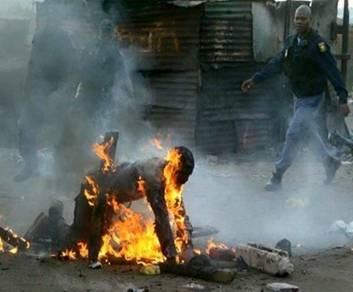
Zimbabwe has the capacity to absorb citizens returning from South Africa as the country's economy is performing strongly, Zanu PF spokesperson Christopher Mutsvangwa has said.
Speaking to South African broadcaster Newzroom Afrika, Mutsvangwa said the Zimbabwean government was already facilitating the return of citizens who wish to leave South Africa amid growing anti-immigrant sentiment and threats from vigilante groups targeting foreign nationals.
Several anti-immigrant groups, reportedly led mainly by members of the Zulu ethnic community, have intensified pressure on undocumented migrants, demanding that they leave South Africa by June 30. Reports indicate that some foreigners have been threatened and assaulted during the campaigns, raising fears of a resurgence of the deadly xenophobic violence that rocked South Africa in 2008.
The growing hostility has reportedly prompted nationals from countries including Nigeria, Ghana, Mozambique, Ethiopia, Somalia and Malawi to consider returning home.
"We are busy repatriating. I am not sure of the figures but my Ambassador in Pretoria and my Minister of Home Affairs, who does immigration have. If I had prepared for this I was going to give you," Mutsvangwa said when asked about the number of Zimbabweans returning home.
He maintained that Zimbabwe's economy was now capable of accommodating returnees.
"Our economy is doing well, we have no particular misgivings about Zimbabweans coming back home because we have the ability to absorb them, because our economy is now doing very well," he said.
Estimates of undocumented Zimbabweans living in South Africa vary widely, ranging from about 800,000 to as many as three million people.
Mutsvangwa argued that Zimbabwe was creating opportunities for broad-based economic participation and the emergence of a new middle class.
"We are creating a genuine African middle class, not a professional middle class like you have here," he said.
His remarks come against the backdrop of longstanding economic challenges in Zimbabwe, where a significant proportion of citizens survive through informal economic activities due to limited formal employment opportunities.
Meanwhile, pressure on foreign nationals in South Africa continues to intensify. The uMkhonto weSizwe Party, led by former South African president Jacob Zuma, has announced its support for anti-immigration demonstrations planned for June 30 alongside groups such as March and March.
The developments have heightened concerns among migrant communities and human rights organisations, which fear that escalating rhetoric and mobilisation against foreign nationals could trigger further violence if tensions are not managed.
Speaking to South African broadcaster Newzroom Afrika, Mutsvangwa said the Zimbabwean government was already facilitating the return of citizens who wish to leave South Africa amid growing anti-immigrant sentiment and threats from vigilante groups targeting foreign nationals.
Several anti-immigrant groups, reportedly led mainly by members of the Zulu ethnic community, have intensified pressure on undocumented migrants, demanding that they leave South Africa by June 30. Reports indicate that some foreigners have been threatened and assaulted during the campaigns, raising fears of a resurgence of the deadly xenophobic violence that rocked South Africa in 2008.
The growing hostility has reportedly prompted nationals from countries including Nigeria, Ghana, Mozambique, Ethiopia, Somalia and Malawi to consider returning home.
"We are busy repatriating. I am not sure of the figures but my Ambassador in Pretoria and my Minister of Home Affairs, who does immigration have. If I had prepared for this I was going to give you," Mutsvangwa said when asked about the number of Zimbabweans returning home.
He maintained that Zimbabwe's economy was now capable of accommodating returnees.
Estimates of undocumented Zimbabweans living in South Africa vary widely, ranging from about 800,000 to as many as three million people.
Mutsvangwa argued that Zimbabwe was creating opportunities for broad-based economic participation and the emergence of a new middle class.
"We are creating a genuine African middle class, not a professional middle class like you have here," he said.
His remarks come against the backdrop of longstanding economic challenges in Zimbabwe, where a significant proportion of citizens survive through informal economic activities due to limited formal employment opportunities.
Meanwhile, pressure on foreign nationals in South Africa continues to intensify. The uMkhonto weSizwe Party, led by former South African president Jacob Zuma, has announced its support for anti-immigration demonstrations planned for June 30 alongside groups such as March and March.
The developments have heightened concerns among migrant communities and human rights organisations, which fear that escalating rhetoric and mobilisation against foreign nationals could trigger further violence if tensions are not managed.
Source - newzimbabwe
Join the discussion
Loading comments…





