News / National
Bulawayo commits US$1.5 million to Lobengula Street upgrade
12 Jul 2026 at 14:56hrs |
380 Views
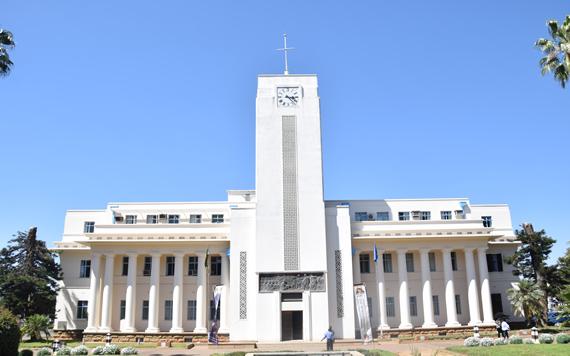
The Bulawayo City Council (BCC) has allocated US$1.5 million towards the rehabilitation of Lobengula Street and the installation of a new sewer system, with the project expected to be completed by the end of October.
Construction began in April after the local authority temporarily closed Lobengula Street, one of the city's busiest transport corridors, to facilitate extensive rehabilitation works.
The project includes pavement reconstruction, road overlays, storm-water drainage improvements, carriageway marking reinstatement and the replacement of ageing sewer infrastructure.
Before work commenced, the council acknowledged that the road closure would inconvenience motorists and businesses but said the project would deliver long-term benefits.
"Once completed, these works will prolong the life of the carriageway, improve road safety and ride quality. Every effort has been made to ensure disruption to traffic, businesses and residents is kept to a minimum. However, the road closure will inevitably cause some disruption, and for this, the City of Bulawayo wishes to apologise in advance," the council said.
Speaking in an interview, BCC Acting Director of Works Engineer Methusi Dibidi said approximately US$800,000 had already been spent on the project.
"The works on Lobengula Street are estimated to cost approximately US$1.5 million but to date we have spent US$800,000.
"The overall progress stands at more than 35 percent complete for the entire project," he said.
Engineer Dibidi explained that the road had exceeded its intended design lifespan, making comprehensive rehabilitation and sewer replacement unavoidable.
He said construction had encountered several technical challenges, including groundwater seepage caused by a high water table, ageing underground infrastructure and shortages of equipment.
"The area has a lot of underground water as a result of a high water table, so that presents challenges during the rehabilitation of the road," he said.
The Lobengula Street project forms part of the city's wider programme to rehabilitate key roads and improve transport infrastructure.
Last year, the local authority spent approximately US$1 million rehabilitating sections of Lobengula Street and Third Avenue, which had deteriorated significantly due to potholes and years of heavy traffic.
The two roads serve as major entry and exit routes into Bulawayo and carry substantial commuter omnibus and private vehicle traffic, particularly along the Luveve Road corridor linking the city centre with suburbs including Entumbane, Njube, Lobengula, Emakhandeni, Gwabalanda, Luveve, Nguboyenja and Cowdray Park.
Before those rehabilitation works, the intersection of Lobengula Street and Third Avenue had become one of the city's most problematic traffic bottlenecks due to its poor condition.
The completed upgrades have since improved traffic flow and included the replacement of ageing culvert pipes that had frequently become blocked, contributing to flooding and recurring maintenance problems.
Three years ago, the council also completed a major rehabilitation project along Luveve Road near Renkini and the Mazai River Bridge.
That project presented significant engineering challenges after contractors encountered underground water, expansive clay soils and ageing water and sewer infrastructure beneath the construction zone.
Despite those difficulties, the rehabilitation works were successfully completed in November 2023, strengthening one of Bulawayo's key transport routes.
Construction began in April after the local authority temporarily closed Lobengula Street, one of the city's busiest transport corridors, to facilitate extensive rehabilitation works.
The project includes pavement reconstruction, road overlays, storm-water drainage improvements, carriageway marking reinstatement and the replacement of ageing sewer infrastructure.
Before work commenced, the council acknowledged that the road closure would inconvenience motorists and businesses but said the project would deliver long-term benefits.
"Once completed, these works will prolong the life of the carriageway, improve road safety and ride quality. Every effort has been made to ensure disruption to traffic, businesses and residents is kept to a minimum. However, the road closure will inevitably cause some disruption, and for this, the City of Bulawayo wishes to apologise in advance," the council said.
Speaking in an interview, BCC Acting Director of Works Engineer Methusi Dibidi said approximately US$800,000 had already been spent on the project.
"The works on Lobengula Street are estimated to cost approximately US$1.5 million but to date we have spent US$800,000.
"The overall progress stands at more than 35 percent complete for the entire project," he said.
Engineer Dibidi explained that the road had exceeded its intended design lifespan, making comprehensive rehabilitation and sewer replacement unavoidable.
He said construction had encountered several technical challenges, including groundwater seepage caused by a high water table, ageing underground infrastructure and shortages of equipment.
"The area has a lot of underground water as a result of a high water table, so that presents challenges during the rehabilitation of the road," he said.
The Lobengula Street project forms part of the city's wider programme to rehabilitate key roads and improve transport infrastructure.
Last year, the local authority spent approximately US$1 million rehabilitating sections of Lobengula Street and Third Avenue, which had deteriorated significantly due to potholes and years of heavy traffic.
The two roads serve as major entry and exit routes into Bulawayo and carry substantial commuter omnibus and private vehicle traffic, particularly along the Luveve Road corridor linking the city centre with suburbs including Entumbane, Njube, Lobengula, Emakhandeni, Gwabalanda, Luveve, Nguboyenja and Cowdray Park.
Before those rehabilitation works, the intersection of Lobengula Street and Third Avenue had become one of the city's most problematic traffic bottlenecks due to its poor condition.
The completed upgrades have since improved traffic flow and included the replacement of ageing culvert pipes that had frequently become blocked, contributing to flooding and recurring maintenance problems.
Three years ago, the council also completed a major rehabilitation project along Luveve Road near Renkini and the Mazai River Bridge.
That project presented significant engineering challenges after contractors encountered underground water, expansive clay soils and ageing water and sewer infrastructure beneath the construction zone.
Despite those difficulties, the rehabilitation works were successfully completed in November 2023, strengthening one of Bulawayo's key transport routes.
Source - The Chronicle
Join the discussion
Loading comments…





