News / National
Retired generals launch campaign against CAB3
12 Jul 2026 at 15:20hrs |
0 Views
A group of retired military generals and former senior civil servants has vowed to mount what it described as a "relentless, but lawful" campaign against the newly enacted Constitutional Amendment No. 3 (CAB3), saying they will not stand by while Zimbabwe's constitution is fundamentally altered.
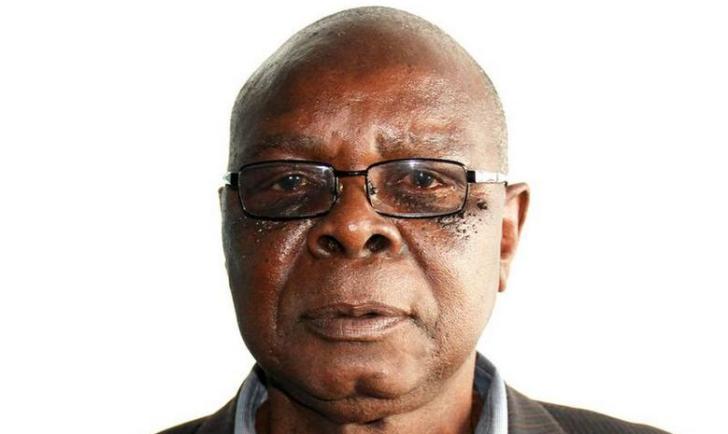
Speaking on behalf of the group, retired Air Marshal Henry Muchena delivered a scathing criticism of the amendment, which President Emmerson Mnangagwa recently signed into law after it was approved by Parliament.
The intervention by former senior security and government officials adds a new dimension to growing opposition against the constitutional changes, which have also been criticised by constitutional lawyers, churches, civil society organisations and opposition political parties. Legal challenges to the amendment are also expected.
"Our collective conscience will not allow us to remain silent while the constitution is dismantled in silence by a few," Muchena said in a statement.
"This is not a minor amendment. It is not an administrative adjustment. It is an assault on the constitutional covenant made in 2013 by the people of Zimbabwe, through negotiation, national consensus and referendum."
Muchena argued that the constitution belongs to Zimbabwe's citizens rather than those occupying political office.
"That constitution belongs to the people. It does not belong to a president. It does not belong to Parliament. It does not belong to any political party, faction, benefactor or unelectable cabal seeking refuge in legal manipulation," he said.
In one of the strongest passages of the statement, Muchena compared the constitutional changes to the principles that underpinned Rhodesia's 1965 Unilateral Declaration of Independence (UDI).
"Zimbabwe has, in spirit if not in form, returned to the dark logic of 11 November 1965, when a small circle abrogated to itself the power to redefine the law without reference to the governed," he said.
"Today it wears the clothing of constitutional amendment. The principle is the same: power has placed itself above the people."
The group described Constitutional Amendment No. 3 as "an abomination" that undermines the spirit of the 2013 Constitution, which was negotiated following years of political negotiations and later approved through a national referendum.
"CAB 3 offends the spirit of liberation, the discipline of constitutionalism, and the promise made to every Zimbabwean that never again would the destiny of this nation be arranged by a few men and women behind closed doors," Muchena said.
He also accused legislators who supported the amendment of betraying the mandate entrusted to them by voters.
"They sold vinegar as wine. They sat in the shadows, drafted this thing, voted it into law, and betrayed the constituencies that sent them to Parliament on a different mandate," he said.
Although the group did not prescribe a specific political strategy, it urged Zimbabweans to oppose the constitutional changes through peaceful and lawful means.
"Zimbabweans must now organise, mobilise and use every lawful method available to resist and reject this constitutional abomination. Silence is no longer neutrality. Silence is complicity."
Muchena said the retired military officers regarded it as their duty to defend the constitutional order.
"We did not spend our careers defending this nation's institutions to now watch them destroyed under colour of legality. Our resistance must be disciplined. It must be lawful. It must be relentless."
"History is watching. Let it record that when the hour came, we did not flinch, and we did not break the law to save it."
President Mnangagwa assented to Constitutional Amendment No. 3 after months of political debate over legislation that critics argue fundamentally alters key provisions of the 2013 Constitution without first obtaining the approval of citizens through a referendum.
Opponents of the amendment have argued that several of its provisions affect the foundational structure of the Constitution and therefore required direct public endorsement. Lawyers are understood to be preparing court applications challenging both the legislative process and the constitutionality of some of the amendment's provisions.
The government, however, has defended the amendment, maintaining that the changes are intended to strengthen governance and improve the functioning of state institutions.
Speaking on behalf of the group, retired Air Marshal Henry Muchena delivered a scathing criticism of the amendment, which President Emmerson Mnangagwa recently signed into law after it was approved by Parliament.
The intervention by former senior security and government officials adds a new dimension to growing opposition against the constitutional changes, which have also been criticised by constitutional lawyers, churches, civil society organisations and opposition political parties. Legal challenges to the amendment are also expected.
"Our collective conscience will not allow us to remain silent while the constitution is dismantled in silence by a few," Muchena said in a statement.
"This is not a minor amendment. It is not an administrative adjustment. It is an assault on the constitutional covenant made in 2013 by the people of Zimbabwe, through negotiation, national consensus and referendum."
Muchena argued that the constitution belongs to Zimbabwe's citizens rather than those occupying political office.
"That constitution belongs to the people. It does not belong to a president. It does not belong to Parliament. It does not belong to any political party, faction, benefactor or unelectable cabal seeking refuge in legal manipulation," he said.
In one of the strongest passages of the statement, Muchena compared the constitutional changes to the principles that underpinned Rhodesia's 1965 Unilateral Declaration of Independence (UDI).
"Zimbabwe has, in spirit if not in form, returned to the dark logic of 11 November 1965, when a small circle abrogated to itself the power to redefine the law without reference to the governed," he said.
"Today it wears the clothing of constitutional amendment. The principle is the same: power has placed itself above the people."
The group described Constitutional Amendment No. 3 as "an abomination" that undermines the spirit of the 2013 Constitution, which was negotiated following years of political negotiations and later approved through a national referendum.
"CAB 3 offends the spirit of liberation, the discipline of constitutionalism, and the promise made to every Zimbabwean that never again would the destiny of this nation be arranged by a few men and women behind closed doors," Muchena said.
He also accused legislators who supported the amendment of betraying the mandate entrusted to them by voters.
"They sold vinegar as wine. They sat in the shadows, drafted this thing, voted it into law, and betrayed the constituencies that sent them to Parliament on a different mandate," he said.
Although the group did not prescribe a specific political strategy, it urged Zimbabweans to oppose the constitutional changes through peaceful and lawful means.
"Zimbabweans must now organise, mobilise and use every lawful method available to resist and reject this constitutional abomination. Silence is no longer neutrality. Silence is complicity."
Muchena said the retired military officers regarded it as their duty to defend the constitutional order.
"We did not spend our careers defending this nation's institutions to now watch them destroyed under colour of legality. Our resistance must be disciplined. It must be lawful. It must be relentless."
"History is watching. Let it record that when the hour came, we did not flinch, and we did not break the law to save it."
President Mnangagwa assented to Constitutional Amendment No. 3 after months of political debate over legislation that critics argue fundamentally alters key provisions of the 2013 Constitution without first obtaining the approval of citizens through a referendum.
Opponents of the amendment have argued that several of its provisions affect the foundational structure of the Constitution and therefore required direct public endorsement. Lawyers are understood to be preparing court applications challenging both the legislative process and the constitutionality of some of the amendment's provisions.
The government, however, has defended the amendment, maintaining that the changes are intended to strengthen governance and improve the functioning of state institutions.
Source - The Standard
Join the discussion
Loading comments…





