News / National
Mnangagwa term extension stokes fires
12 Jul 2026 at 15:22hrs |
0 Views
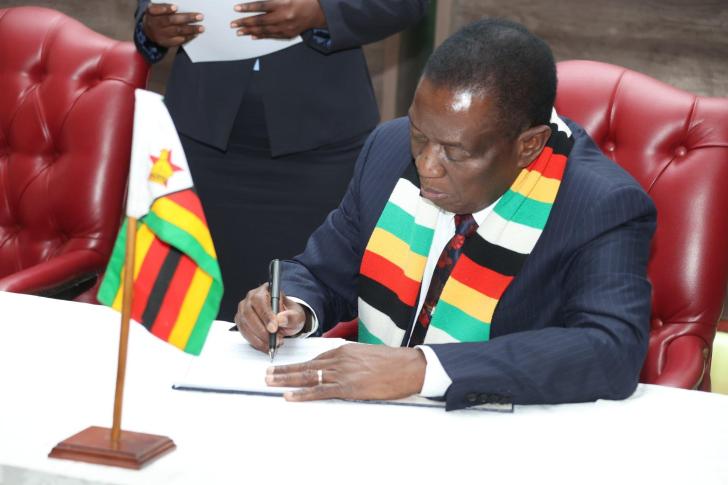
President Emmerson Mnangagwa's decision to sign into law Constitutional Amendment No. 3 (CAB3), which extends the current parliamentary term by two years and introduces sweeping constitutional changes, has intensified political tensions in Zimbabwe, with a growing number of groups calling for protests despite the government's hardline stance on dissent.
The legislation contains far-reaching amendments, including provisions that would change the method of electing future presidents. Under the new constitutional framework, the president would be elected by Members of Parliament in the National Assembly rather than through a direct popular vote. Zanu PF currently holds a two-thirds majority in Parliament.
CAB3 faced widespread opposition before and during Parliament-led public hearings, with critics arguing that such fundamental constitutional changes should have been subjected to a national referendum. Opposition activists also alleged that some participants were intimidated or assaulted during the consultation process by suspected Zanu PF supporters.
Retired army generals and war veterans have repeatedly urged President Mnangagwa to submit the constitutional changes to a referendum, warning that failure to do so could heighten political instability.
Following the enactment of the law, unknown organisers have called for a nationwide shutdown on July 31, prompting warnings from political observers that the country could face heightened tensions unless meaningful dialogue takes place.
South African activist Jacinta Ngobese-Zuma, who has led anti-immigration demonstrations in South Africa, also urged her supporters to demonstrate in solidarity with Zimbabweans.
"How about July 31, we march here in solidarity with Zimbabwe? So they don't get beaten up for expressing themselves," she wrote on social media.
Political analyst Vivid Gwede said tensions surrounding CAB3 had been evident long before the public hearings began.
"As the CAB3 public hearings showed, the constitutional changes affect national cohesion. That there was no referendum when many were calling for it," Gwede told The Standard.
Defend the Constitution Platform (DCP) convener Jameson Timba said the courts now presented an opportunity to reduce tensions by addressing the constitutional disputes through legal processes.
"Public authorities have a responsibility to uphold the rule of law and protect constitutional rights, while citizens have a responsibility to exercise any rights they may choose to exercise peacefully and lawfully," Timba said.
"Ultimately, Zimbabwe's institutions are best served when constitutional questions are addressed through lawful processes, respect for the constitution and continued commitment to peace."
National Dialogue Forum co-conveners Ibbo Mandaza and Kaka Mudambo said dialogue remained the only viable path to resolving the country's growing political crisis.
"Zimbabwe is in desperate need of a thoroughgoing reset," they said in a joint statement.
"This is the only way in which Zimbabwe can achieve a soft landing and avoid the chaos and possible violence that CAB3 will undoubtedly unleash."
Political analyst Reason Wafawarova said interventions by retired military officers demonstrated that the constitutional amendments had generated concern beyond opposition political circles.
"The retired officers' intervention adds another dimension to an already contested debate by introducing voices from former senior members of Zimbabwe's security and civil service establishments—groups not traditionally associated with coordinated public opposition to constitutional amendments," Wafawarova said.
"Although retired officials no longer exercise formal state authority, statements from former senior military leaders often attract heightened public interest because of Zimbabwe's political history and the military's longstanding influence in national affairs."
Meanwhile, the Zimbabwe Human Rights NGO Forum, the country's largest coalition of civil society organisations, urged those opposed to the constitutional amendments to continue expressing their views peacefully and within the law.
The organisation said constitutional disputes should be resolved through democratic and lawful means, while condemning the enactment of the amendments without a referendum.
"The constitution belongs to the people of Zimbabwe," the forum said in a statement. "Any alteration of its foundational principles should be undertaken transparently, lawfully and in a manner that fully respects constitutional supremacy and popular sovereignty."
President Mnangagwa, who turns 84 this year, had previously stated that he would not seek an extension of his tenure, describing himself as a constitutionalist.
Critics argue that the two-year extension of the current parliamentary term and the broader constitutional reforms could significantly reshape Zimbabwe's political landscape. Some opponents contend that the changes may affect the country's succession dynamics, while the government has maintained that the amendments are constitutional and in the national interest.
The legislation contains far-reaching amendments, including provisions that would change the method of electing future presidents. Under the new constitutional framework, the president would be elected by Members of Parliament in the National Assembly rather than through a direct popular vote. Zanu PF currently holds a two-thirds majority in Parliament.
CAB3 faced widespread opposition before and during Parliament-led public hearings, with critics arguing that such fundamental constitutional changes should have been subjected to a national referendum. Opposition activists also alleged that some participants were intimidated or assaulted during the consultation process by suspected Zanu PF supporters.
Retired army generals and war veterans have repeatedly urged President Mnangagwa to submit the constitutional changes to a referendum, warning that failure to do so could heighten political instability.
Following the enactment of the law, unknown organisers have called for a nationwide shutdown on July 31, prompting warnings from political observers that the country could face heightened tensions unless meaningful dialogue takes place.
South African activist Jacinta Ngobese-Zuma, who has led anti-immigration demonstrations in South Africa, also urged her supporters to demonstrate in solidarity with Zimbabweans.
"How about July 31, we march here in solidarity with Zimbabwe? So they don't get beaten up for expressing themselves," she wrote on social media.
Political analyst Vivid Gwede said tensions surrounding CAB3 had been evident long before the public hearings began.
"As the CAB3 public hearings showed, the constitutional changes affect national cohesion. That there was no referendum when many were calling for it," Gwede told The Standard.
Defend the Constitution Platform (DCP) convener Jameson Timba said the courts now presented an opportunity to reduce tensions by addressing the constitutional disputes through legal processes.
"Public authorities have a responsibility to uphold the rule of law and protect constitutional rights, while citizens have a responsibility to exercise any rights they may choose to exercise peacefully and lawfully," Timba said.
"Ultimately, Zimbabwe's institutions are best served when constitutional questions are addressed through lawful processes, respect for the constitution and continued commitment to peace."
National Dialogue Forum co-conveners Ibbo Mandaza and Kaka Mudambo said dialogue remained the only viable path to resolving the country's growing political crisis.
"Zimbabwe is in desperate need of a thoroughgoing reset," they said in a joint statement.
"This is the only way in which Zimbabwe can achieve a soft landing and avoid the chaos and possible violence that CAB3 will undoubtedly unleash."
Political analyst Reason Wafawarova said interventions by retired military officers demonstrated that the constitutional amendments had generated concern beyond opposition political circles.
"The retired officers' intervention adds another dimension to an already contested debate by introducing voices from former senior members of Zimbabwe's security and civil service establishments—groups not traditionally associated with coordinated public opposition to constitutional amendments," Wafawarova said.
"Although retired officials no longer exercise formal state authority, statements from former senior military leaders often attract heightened public interest because of Zimbabwe's political history and the military's longstanding influence in national affairs."
Meanwhile, the Zimbabwe Human Rights NGO Forum, the country's largest coalition of civil society organisations, urged those opposed to the constitutional amendments to continue expressing their views peacefully and within the law.
The organisation said constitutional disputes should be resolved through democratic and lawful means, while condemning the enactment of the amendments without a referendum.
"The constitution belongs to the people of Zimbabwe," the forum said in a statement. "Any alteration of its foundational principles should be undertaken transparently, lawfully and in a manner that fully respects constitutional supremacy and popular sovereignty."
President Mnangagwa, who turns 84 this year, had previously stated that he would not seek an extension of his tenure, describing himself as a constitutionalist.
Critics argue that the two-year extension of the current parliamentary term and the broader constitutional reforms could significantly reshape Zimbabwe's political landscape. Some opponents contend that the changes may affect the country's succession dynamics, while the government has maintained that the amendments are constitutional and in the national interest.
Source - The Standard
Join the discussion
Loading comments…


