News / National
Zimbabwe police roll out breathalysers, speed cameras
22 Nov 2025 at 13:17hrs |
0 Views
The Zimbabwe Republic Police (ZRP) will begin deploying breathalysers and speed-trap cameras on major highways this weekend in a significant step aimed at curbing drunk driving and speeding. The development comes ahead of the festive season, a period traditionally associated with increased road accidents due to high traffic volumes, alcohol abuse, fatigue and reckless driving.
This marks the country's first large-scale rollout of modern road-safety enforcement technology. The equipment will be supported by a new fleet of operational vehicles for the Vehicle Inspectorate Department (VID), set to be unveiled later this week. The vehicles are expected to boost roadside inspections, enforce vehicle-fitness regulations and strengthen joint law-enforcement operations.
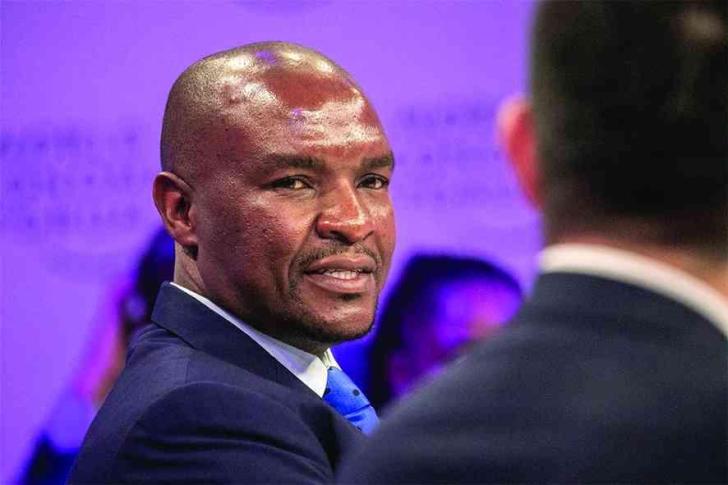
Transport and Infrastructural Development Minister Felix Mhona told The Herald that the Traffic Safety Council of Zimbabwe (TSCZ), working hand-in-hand with the police, had finalised the procurement and technical specifications for the breathalysers and speed cameras. He said the tools would play a crucial role in the fight against two of the country's leading causes of fatal crashes: speeding and drunk driving.
"These measures will strengthen a culture of road discipline, reduce accidents and enhance public safety across the transport network," said Minister Mhona. "Road safety in Zimbabwe remains a critical concern, with rising incidents of road crashes affecting lives and livelihoods."
A breathalyser measures the amount of alcohol in a person's breath to estimate the concentration of alcohol in the bloodstream. If the reading exceeds the legal limit, the driver is deemed unfit to drive. Authorities say the devices provide quick, accurate and legally admissible results, significantly strengthening prosecutions. In their absence, officers have traditionally relied on subjective indicators such as slurred speech, unsteady movements, the smell of alcohol or erratic driving - factors that can be easily challenged in court.
Under the Road Traffic Act, driving with a blood alcohol concentration of 80 milligrammes or more per 100 millilitres of blood is a criminal offence that attracts heavy penalties, including fines, imprisonment and mandatory driving bans. Offenders can face a fine of up to level 10, a jail term of up to five years or both. Penalties are even harsher for commuter omnibus and heavy-vehicle drivers, who may be jailed for between one and ten years.
Minister Mhona said Government had elevated road safety to a national development priority, aligned with regional and global frameworks such as the SADC Road Safety Action Plan, the United Nations Decade of Action for Road Safety and the National Development Strategy 1 (NDS1), soon transitioning to NDS2. He said targeted interventions were being implemented in partnership with key agencies, including the procurement of evidential breathalysers and printers already handed over to the ZRP.
"Over 94 percent of road accidents in Zimbabwe are attributed to human error," the minister noted. "In response, TSCZ has partnered with State institutions to implement targeted interventions."
Government is also working on legislation to establish a Road Accident Fund, with Cabinet having approved the guiding principles. Additionally, plans are underway to transform the TSCZ from a promotional body into a fully fledged Road Traffic Safety Agency with authority to arrest, issue tickets, investigate accidents and recommend systemic improvements.
Meanwhile, the police have called for maximum caution on the roads during the festive season. National police spokesperson Commissioner Paul Nyathi urged motorists to comply with traffic laws and ensure their vehicles are roadworthy.
"Drivers are encouraged to inspect the condition of their vehicle tyres, including the spare wheel, to ensure that they are in good condition and properly inflated to avoid road accidents," he said. He added that drivers should ensure windscreen wipers are functioning effectively during the rainy season and that cracked or broken windscreens are repaired or replaced promptly.
Comm Nyathi also warned drivers against attempting to cross flooded bridges and encouraged public transport passengers to report reckless driving. "Above all, it is in the interest of road safety for all vehicles to be regularly serviced and certified fit to be travelling on the roads. Road safety is a collective responsibility of all Zimbabweans," he said.
This marks the country's first large-scale rollout of modern road-safety enforcement technology. The equipment will be supported by a new fleet of operational vehicles for the Vehicle Inspectorate Department (VID), set to be unveiled later this week. The vehicles are expected to boost roadside inspections, enforce vehicle-fitness regulations and strengthen joint law-enforcement operations.
Transport and Infrastructural Development Minister Felix Mhona told The Herald that the Traffic Safety Council of Zimbabwe (TSCZ), working hand-in-hand with the police, had finalised the procurement and technical specifications for the breathalysers and speed cameras. He said the tools would play a crucial role in the fight against two of the country's leading causes of fatal crashes: speeding and drunk driving.
"These measures will strengthen a culture of road discipline, reduce accidents and enhance public safety across the transport network," said Minister Mhona. "Road safety in Zimbabwe remains a critical concern, with rising incidents of road crashes affecting lives and livelihoods."
A breathalyser measures the amount of alcohol in a person's breath to estimate the concentration of alcohol in the bloodstream. If the reading exceeds the legal limit, the driver is deemed unfit to drive. Authorities say the devices provide quick, accurate and legally admissible results, significantly strengthening prosecutions. In their absence, officers have traditionally relied on subjective indicators such as slurred speech, unsteady movements, the smell of alcohol or erratic driving - factors that can be easily challenged in court.
Under the Road Traffic Act, driving with a blood alcohol concentration of 80 milligrammes or more per 100 millilitres of blood is a criminal offence that attracts heavy penalties, including fines, imprisonment and mandatory driving bans. Offenders can face a fine of up to level 10, a jail term of up to five years or both. Penalties are even harsher for commuter omnibus and heavy-vehicle drivers, who may be jailed for between one and ten years.
Minister Mhona said Government had elevated road safety to a national development priority, aligned with regional and global frameworks such as the SADC Road Safety Action Plan, the United Nations Decade of Action for Road Safety and the National Development Strategy 1 (NDS1), soon transitioning to NDS2. He said targeted interventions were being implemented in partnership with key agencies, including the procurement of evidential breathalysers and printers already handed over to the ZRP.
"Over 94 percent of road accidents in Zimbabwe are attributed to human error," the minister noted. "In response, TSCZ has partnered with State institutions to implement targeted interventions."
Government is also working on legislation to establish a Road Accident Fund, with Cabinet having approved the guiding principles. Additionally, plans are underway to transform the TSCZ from a promotional body into a fully fledged Road Traffic Safety Agency with authority to arrest, issue tickets, investigate accidents and recommend systemic improvements.
Meanwhile, the police have called for maximum caution on the roads during the festive season. National police spokesperson Commissioner Paul Nyathi urged motorists to comply with traffic laws and ensure their vehicles are roadworthy.
"Drivers are encouraged to inspect the condition of their vehicle tyres, including the spare wheel, to ensure that they are in good condition and properly inflated to avoid road accidents," he said. He added that drivers should ensure windscreen wipers are functioning effectively during the rainy season and that cracked or broken windscreens are repaired or replaced promptly.
Comm Nyathi also warned drivers against attempting to cross flooded bridges and encouraged public transport passengers to report reckless driving. "Above all, it is in the interest of road safety for all vehicles to be regularly serviced and certified fit to be travelling on the roads. Road safety is a collective responsibility of all Zimbabweans," he said.
Source - The Herald
Join the discussion
Loading comments…





