News / National
Mthulisi Ncube abandons 2026 budget plan
19 Dec 2025 at 06:09hrs |
0 Views
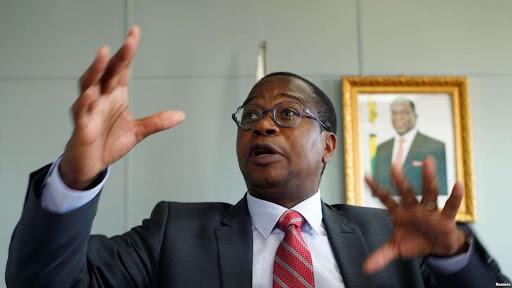
Finance Minister Mthuli Ncube has abandoned plans to introduce a cash withdrawal levy, conceding that the proposed tax risked discouraging Zimbabweans from depositing money in banks.
Ncube announced the reversal in Parliament this week, barely a month after unveiling the levy in his 2026 National Budget, following sustained criticism from lawmakers, businesses and members of the public.
"I have listened to the argument. Treasury has been listening. I have listened closely to the debate from MPs and the public regarding the cash withdrawal levy proposals. Therefore, I hereby propose that we repeal that whole Clause 7," Ncube said, referring to the relevant section of the 2026 Budget Bill.
He said the decision was taken to avoid turning the measure into what he described as "a big penalty" that could undermine confidence in the banking system and deter citizens from keeping their money in formal financial institutions.
In his budget presentation last month, Ncube had defended the levy as a response to rising cash withdrawals, which Treasury said were straining the financial system, largely due to the size of Zimbabwe's informal economy.
"On average, ATM withdrawals amounted to approximately US$265.8 million per month between April 2024 and June 2025, of which over 90 percent were in United States dollars," Ncube told Parliament at the time.
He said banks were holding close to US$1 billion in cash and Nostro balances to meet withdrawal demand, with withdrawals peaking at about US$353 million in June 2025.
To address what Treasury viewed as excessive cash usage and the flow of money into the informal sector, the budget had proposed a tiered levy on cash withdrawals. Individuals would have been exempt on withdrawals between US$0 and US$500, with a 3 percent levy applied to amounts between US$501 and US$10,001. Corporates would have been exempt up to US$5,000 per month, with withdrawals between US$5,001 and US$10,000 taxed at 2 percent and amounts above US$10,000 at 3 percent. Local currency withdrawals were to remain untaxed.
The proposal sparked strong backlash from bankers, businesses and consumers, who warned it would weaken financial inclusion and drive more transactions outside the formal economy.
Only days before the policy reversal, Ncube and Treasury permanent secretary George Guvamatanga had publicly defended the levy at a post-budget briefing, arguing it was necessary to curb cash leakages.
"All the cash or most of the cash finding its way into the informal system actually emanates from the formal system. It's coming from the banks," Guvamatanga said then. "So when you say it would discourage banking, no, the money is already in the banks but it's going out into the informal system and not coming back."
He also questioned why corporates required large volumes of physical cash, noting that withdrawals accounted for about 20 percent of banks' total income.
Ncube had echoed similar sentiments, insisting the levy targeted money exiting the formal banking system.
"What we are taxing is money that is exiting, going one way," he said at the time. "Corporates walking around with US$10,000 cash—what are they doing with it?"
The repeal marks a significant policy climbdown by Treasury and reflects the weight of opposition to the proposed levy amid concerns about trust in the banking sector and the broader economy.
Ncube announced the reversal in Parliament this week, barely a month after unveiling the levy in his 2026 National Budget, following sustained criticism from lawmakers, businesses and members of the public.
"I have listened to the argument. Treasury has been listening. I have listened closely to the debate from MPs and the public regarding the cash withdrawal levy proposals. Therefore, I hereby propose that we repeal that whole Clause 7," Ncube said, referring to the relevant section of the 2026 Budget Bill.
He said the decision was taken to avoid turning the measure into what he described as "a big penalty" that could undermine confidence in the banking system and deter citizens from keeping their money in formal financial institutions.
In his budget presentation last month, Ncube had defended the levy as a response to rising cash withdrawals, which Treasury said were straining the financial system, largely due to the size of Zimbabwe's informal economy.
"On average, ATM withdrawals amounted to approximately US$265.8 million per month between April 2024 and June 2025, of which over 90 percent were in United States dollars," Ncube told Parliament at the time.
He said banks were holding close to US$1 billion in cash and Nostro balances to meet withdrawal demand, with withdrawals peaking at about US$353 million in June 2025.
To address what Treasury viewed as excessive cash usage and the flow of money into the informal sector, the budget had proposed a tiered levy on cash withdrawals. Individuals would have been exempt on withdrawals between US$0 and US$500, with a 3 percent levy applied to amounts between US$501 and US$10,001. Corporates would have been exempt up to US$5,000 per month, with withdrawals between US$5,001 and US$10,000 taxed at 2 percent and amounts above US$10,000 at 3 percent. Local currency withdrawals were to remain untaxed.
The proposal sparked strong backlash from bankers, businesses and consumers, who warned it would weaken financial inclusion and drive more transactions outside the formal economy.
Only days before the policy reversal, Ncube and Treasury permanent secretary George Guvamatanga had publicly defended the levy at a post-budget briefing, arguing it was necessary to curb cash leakages.
"All the cash or most of the cash finding its way into the informal system actually emanates from the formal system. It's coming from the banks," Guvamatanga said then. "So when you say it would discourage banking, no, the money is already in the banks but it's going out into the informal system and not coming back."
He also questioned why corporates required large volumes of physical cash, noting that withdrawals accounted for about 20 percent of banks' total income.
Ncube had echoed similar sentiments, insisting the levy targeted money exiting the formal banking system.
"What we are taxing is money that is exiting, going one way," he said at the time. "Corporates walking around with US$10,000 cash—what are they doing with it?"
The repeal marks a significant policy climbdown by Treasury and reflects the weight of opposition to the proposed levy amid concerns about trust in the banking sector and the broader economy.
Source - Zimlive
Join the discussion
Loading comments…



