News / National
Zimbabwe's gold rush is combined with a power grab
19 Apr 2026 at 17:41hrs |
1007 Views
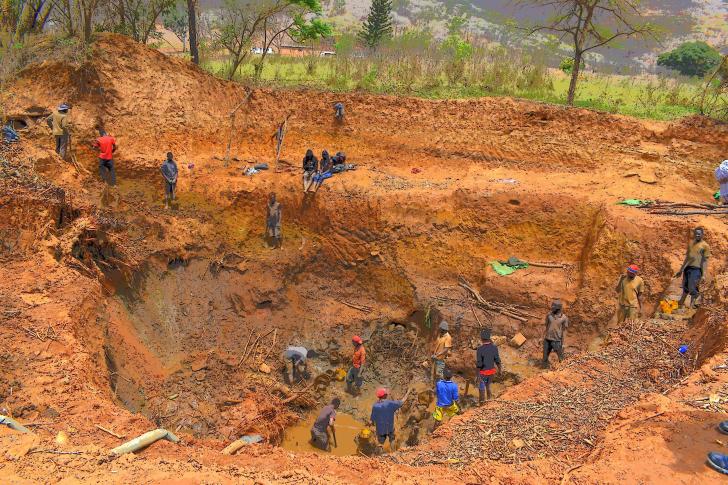
IN THE MAZOWE river valley, 50km north of Harare, Zimbabwe's capital, the gold rush is hard to miss.
Hillsides have been hewed by excavators that scoop out ore as if it were gelato from a tub.
Pipes divert the river to washing stations used by small-scale miners.
So much water has been redirected that the dam fed by the river looks like a silty pond.
The effects of the gold rush can be seen far beyond Mazowe. Zimbabwe, often considered an economic basket-case because of its history of farm seizures and hyperinflation, is enjoying an idiosyncratic boom.
High prices for the metal and other commodities have led to a surge of cash through its highly informal economy.
They have made it easier for authorities to stop printing money and meddling in currency markets; inflation is at its lowest in about 30 years.
The IMF has repeatedly revised upwards estimates for economic growth, most recently to at least 7.5% for 2025, almost double the African average.
Yet while Zimbabwe's economy is doing better than many outsiders assume, its politics are as nasty as ever.
Emmerson Mnangagwa, the 83-year-old president, is following his predecessor, Robert Mugabe, in trying to amend the constitution to stay in power, perhaps for life.
Gold is a seam that runs through the country's history.
Cecil Rhodes colonised the area he would name after himself (Rhodesia) in pursuit of what some imperialists thought was the original land of Ophir, the source of King Solomon's gold. Rhodesians never found much. But in Zimbabwe, as the country became in 1980, gold has grown ever more vital.
In 2025 the country officially produced 47 tonnes of gold, the most on record, more than double a decade ago.
(Smuggling means the actual total will be higher.) That generated $4.6bn, about half of all exports by value, as volatility in global financial markets drove demand, pushing up the price. It has almost tripled in five years.
"We never imagined these sorts of prices. Thank God for President Trump," says Victor Gapere, a mining investor.
The effects have been widespread.
At artisanal sites miners use mercury and cyanide that are recirculated into the water used for drinking and irrigation.
Higher prices also mean more potential rewards for smugglers, which various investigations have linked to political bigwigs. American sanctions on Mr Mnangagwa cite his alleged involvement.
Yet some proceeds from mining end up in the pockets of the hundreds of thousands of Zimbabweans who work in artisanal mining.
They can make many hundreds of US dollars a month. "These youngsters are loaded," says a retailer, describing how sales of motorcycles, electronics and medicines have risen.
Gold is not the only source of growth.
The current tobacco crop will be the largest on record.
Lithium, chrome and platinum miners, many of them Chinese, have raised production. Zimbabwe's diaspora, mainly in South Africa, sent back $2.5bn last year. So overall demand is higher than ever, says a banker.
Hillsides have been hewed by excavators that scoop out ore as if it were gelato from a tub.
Pipes divert the river to washing stations used by small-scale miners.
So much water has been redirected that the dam fed by the river looks like a silty pond.
The effects of the gold rush can be seen far beyond Mazowe. Zimbabwe, often considered an economic basket-case because of its history of farm seizures and hyperinflation, is enjoying an idiosyncratic boom.
High prices for the metal and other commodities have led to a surge of cash through its highly informal economy.
They have made it easier for authorities to stop printing money and meddling in currency markets; inflation is at its lowest in about 30 years.
The IMF has repeatedly revised upwards estimates for economic growth, most recently to at least 7.5% for 2025, almost double the African average.
Yet while Zimbabwe's economy is doing better than many outsiders assume, its politics are as nasty as ever.
Emmerson Mnangagwa, the 83-year-old president, is following his predecessor, Robert Mugabe, in trying to amend the constitution to stay in power, perhaps for life.
Gold is a seam that runs through the country's history.
In 2025 the country officially produced 47 tonnes of gold, the most on record, more than double a decade ago.
(Smuggling means the actual total will be higher.) That generated $4.6bn, about half of all exports by value, as volatility in global financial markets drove demand, pushing up the price. It has almost tripled in five years.
"We never imagined these sorts of prices. Thank God for President Trump," says Victor Gapere, a mining investor.
The effects have been widespread.
At artisanal sites miners use mercury and cyanide that are recirculated into the water used for drinking and irrigation.
Higher prices also mean more potential rewards for smugglers, which various investigations have linked to political bigwigs. American sanctions on Mr Mnangagwa cite his alleged involvement.
Yet some proceeds from mining end up in the pockets of the hundreds of thousands of Zimbabweans who work in artisanal mining.
They can make many hundreds of US dollars a month. "These youngsters are loaded," says a retailer, describing how sales of motorcycles, electronics and medicines have risen.
Gold is not the only source of growth.
The current tobacco crop will be the largest on record.
Lithium, chrome and platinum miners, many of them Chinese, have raised production. Zimbabwe's diaspora, mainly in South Africa, sent back $2.5bn last year. So overall demand is higher than ever, says a banker.
Source - The Economist
Join the discussion
Loading comments…





