News / National
Chinamasa defends shift on term extension
27 Apr 2026 at 15:26hrs |
0 Views
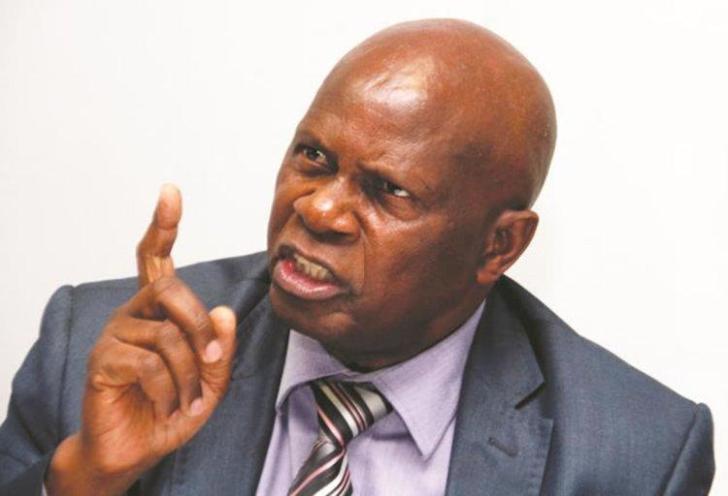
Zanu-PF finance secretary Patrick Chinamasa has dismissed claims that he reversed his position on whether a national referendum is required to extend President Emmerson Mnangagwa's tenure beyond 2028.
The former Justice minister has faced criticism following what appeared to be conflicting statements on the legal pathway to prolong Mnangagwa's stay in office, as debate intensifies over proposed constitutional changes.
Speaking to The Standard, Chinamasa insisted his position has remained consistent, arguing that earlier remarks made at the 2024 Zanu-PF annual conference in Bulawayo were based on a different legal framework.
"In my address… I had envisaged… a full third term for the president, with the President giving way to one of his deputies in 2030," he said.
According to Chinamasa, that approach would have required a referendum to remove constitutional term limits.
However, he said the ruling party has since shifted strategy, opting instead for Constitutional Amendment Bill No. 3, which he described as a more efficient legal route that does not require a public vote.
Chinamasa credited Justice minister Ziyambi Ziyambi and government lawyers for identifying what he called a "more expeditious and less costly" approach.
He defended the proposed amendments as "perfectly constitutionally lawful," despite mounting criticism from opposition parties and legal experts.
The proposed Constitutional Amendment Bill No. 3 seeks sweeping changes to Zimbabwe's governance framework, including scrapping direct presidential elections and restructuring key institutions.
Among the contentious proposals is the abolition of the Zimbabwe Gender Commission, as well as changes to succession provisions that critics argue could concentrate power within the executive.
The debate over CAB3 has intensified scrutiny of Zanu-PF's succession plans, with analysts warning that the proposed changes could significantly reshape Zimbabwe's democratic architecture.
While the ruling party maintains the reforms are legally sound and aimed at improving governance efficiency, opponents argue they undermine constitutional safeguards and the principle of electoral accountability.
Chinamasa's latest remarks add to the ongoing political contest over the country's future leadership framework as Zimbabwe approaches the 2028 constitutional deadline.
The former Justice minister has faced criticism following what appeared to be conflicting statements on the legal pathway to prolong Mnangagwa's stay in office, as debate intensifies over proposed constitutional changes.
Speaking to The Standard, Chinamasa insisted his position has remained consistent, arguing that earlier remarks made at the 2024 Zanu-PF annual conference in Bulawayo were based on a different legal framework.
"In my address… I had envisaged… a full third term for the president, with the President giving way to one of his deputies in 2030," he said.
According to Chinamasa, that approach would have required a referendum to remove constitutional term limits.
However, he said the ruling party has since shifted strategy, opting instead for Constitutional Amendment Bill No. 3, which he described as a more efficient legal route that does not require a public vote.
He defended the proposed amendments as "perfectly constitutionally lawful," despite mounting criticism from opposition parties and legal experts.
The proposed Constitutional Amendment Bill No. 3 seeks sweeping changes to Zimbabwe's governance framework, including scrapping direct presidential elections and restructuring key institutions.
Among the contentious proposals is the abolition of the Zimbabwe Gender Commission, as well as changes to succession provisions that critics argue could concentrate power within the executive.
The debate over CAB3 has intensified scrutiny of Zanu-PF's succession plans, with analysts warning that the proposed changes could significantly reshape Zimbabwe's democratic architecture.
While the ruling party maintains the reforms are legally sound and aimed at improving governance efficiency, opponents argue they undermine constitutional safeguards and the principle of electoral accountability.
Chinamasa's latest remarks add to the ongoing political contest over the country's future leadership framework as Zimbabwe approaches the 2028 constitutional deadline.
Source - The Standard
Join the discussion
Loading comments…





