News / National
Zimbabwe's cities choke on sewage
11 May 2026 at 14:38hrs |
0 Views
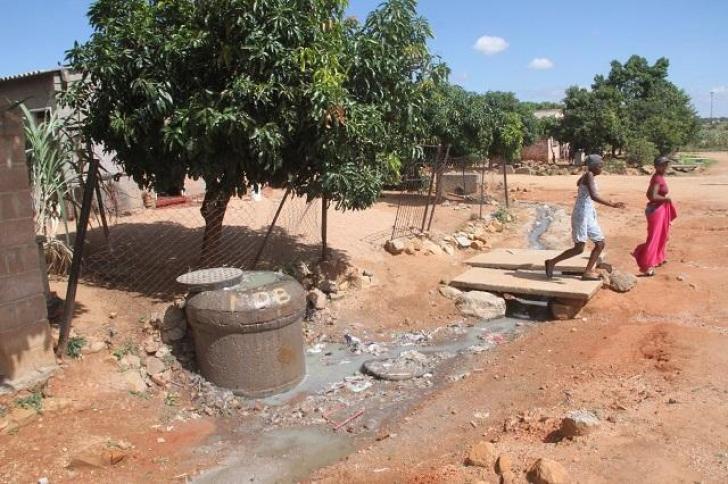
The "pop" of bursting sewage pipes has become a grim soundtrack across Zimbabwe's urban centres, where overflowing effluent and collapsing sanitation systems are increasingly defining life in high-density suburbs.
From Harare's Budiriro suburb to the sprawling dormitory town of Chitungwiza, raw sewage has evolved from an occasional infrastructure breakdown into a permanent and dangerous feature of daily life.
Residents continue navigating streams of waste with an unsettling sense of normalcy — hanging laundry, selling vegetables and commuting to work while children play near contaminated water carrying the threat of diseases such as cholera and typhoid.
The deteriorating conditions ignited heated debate in Parliament this week after Budiriro legislator Darlington Chigumbu raised concerns over the nationwide sewage crisis.
Responding during parliamentary proceedings, Anxious Masuka, the Minister of Agriculture, Mechanisation and Water Resources, shifted responsibility onto local authorities, accusing councils of corruption and service delivery failures.
"Firstly, I want to thank you because you have noted that there is a problem with elected council representatives. That is where corruption is," Masuka said.
"I want to encourage that when we go for elections, we elect people who are able to do the work because the local authorities have a task to do service delivery — water, sewage and refuse."
Masuka said the Government under President Emmerson Mnangagwa had been forced to intervene after councils failed to fulfil their mandates.
He cited the controversial Geo Pomona Waste Management project as an example of central government intervention in waste management.
"We now have Geo Pomona which intervened by providing service in the removal of waste but council is charging for the service. So, in the next elections, let us know who to elect," Masuka said.
The sewage crisis reflects years of strain on ageing infrastructure originally designed during the colonial era for much smaller urban populations. Rapid migration into cities, combined with decades of underinvestment and limited maintenance, has left sewer systems overwhelmed and prone to constant collapse.
In many suburbs, residents have reportedly stopped reporting pipe bursts altogether, believing repairs are temporary fixes on infrastructure that has already failed structurally.
While central government blames municipalities for poor governance and corruption, councils argue that inadequate devolution funding and shortages of foreign currency for chemicals, spare parts and equipment have crippled service delivery.
At the centre of the debate is the growing "interventionist" approach by central government in urban management, particularly through projects such as Geo Pomona.
Government officials view the waste-to-energy initiative as a model for restoring urban services, but critics argue that such interventions weaken local authorities and undermine constitutional devolution by shifting control away from elected councils.
As political leaders trade blame, residents in suburbs such as Glen View and Mbare continue to endure worsening sanitary conditions, recurring disease outbreaks and environmental hazards.
For many urban dwellers, the persistent stench of sewage has become a daily reminder of collapsing infrastructure and unresolved governance failures that continue to erode living conditions across Zimbabwe's towns and cities.
From Harare's Budiriro suburb to the sprawling dormitory town of Chitungwiza, raw sewage has evolved from an occasional infrastructure breakdown into a permanent and dangerous feature of daily life.
Residents continue navigating streams of waste with an unsettling sense of normalcy — hanging laundry, selling vegetables and commuting to work while children play near contaminated water carrying the threat of diseases such as cholera and typhoid.
The deteriorating conditions ignited heated debate in Parliament this week after Budiriro legislator Darlington Chigumbu raised concerns over the nationwide sewage crisis.
Responding during parliamentary proceedings, Anxious Masuka, the Minister of Agriculture, Mechanisation and Water Resources, shifted responsibility onto local authorities, accusing councils of corruption and service delivery failures.
"Firstly, I want to thank you because you have noted that there is a problem with elected council representatives. That is where corruption is," Masuka said.
"I want to encourage that when we go for elections, we elect people who are able to do the work because the local authorities have a task to do service delivery — water, sewage and refuse."
Masuka said the Government under President Emmerson Mnangagwa had been forced to intervene after councils failed to fulfil their mandates.
He cited the controversial Geo Pomona Waste Management project as an example of central government intervention in waste management.
"We now have Geo Pomona which intervened by providing service in the removal of waste but council is charging for the service. So, in the next elections, let us know who to elect," Masuka said.
The sewage crisis reflects years of strain on ageing infrastructure originally designed during the colonial era for much smaller urban populations. Rapid migration into cities, combined with decades of underinvestment and limited maintenance, has left sewer systems overwhelmed and prone to constant collapse.
In many suburbs, residents have reportedly stopped reporting pipe bursts altogether, believing repairs are temporary fixes on infrastructure that has already failed structurally.
While central government blames municipalities for poor governance and corruption, councils argue that inadequate devolution funding and shortages of foreign currency for chemicals, spare parts and equipment have crippled service delivery.
At the centre of the debate is the growing "interventionist" approach by central government in urban management, particularly through projects such as Geo Pomona.
Government officials view the waste-to-energy initiative as a model for restoring urban services, but critics argue that such interventions weaken local authorities and undermine constitutional devolution by shifting control away from elected councils.
As political leaders trade blame, residents in suburbs such as Glen View and Mbare continue to endure worsening sanitary conditions, recurring disease outbreaks and environmental hazards.
For many urban dwellers, the persistent stench of sewage has become a daily reminder of collapsing infrastructure and unresolved governance failures that continue to erode living conditions across Zimbabwe's towns and cities.
Source - newsday
Join the discussion
Loading comments…





