News / National
Zesa targets end to load shedding by December
11 May 2026 at 14:42hrs |
723 Views
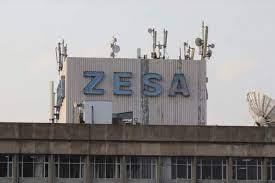
The Zimbabwe Electricity Supply Authority says load shedding in Zimbabwe is expected to end by December this year as the power utility intensifies reforms aimed at transforming the institution into a commercially viable entity.
Speaking before the Public Accounts Committee during a fact-finding mission in Hwange over the weekend, ZESA Group Chief Executive Officer Cletus Nyachowe said the utility had implemented several measures to stabilise electricity supply and expand access to power across the country.
The committee is currently assessing the performance of entities under the Mutapa Investment Fund that have not been generating dividends.
Nyachowe told legislators that ZESA's restructuring initiatives, coupled with financial support facilities, had already helped maintain uninterrupted electricity supply for 138 consecutive days.
"We are looking at ending load shedding by the end of this year. We have taken measures, we are intensely focused on effective utilisation of the resources that we have, and on playing on the market," he said.
He explained that the utility had shifted from passive energy trading to an active 24-hour market monitoring system on the Southern African Power Pool (SAPP), enabling it to secure power supplies more efficiently.
"So, we used to do inactive trading, but we now have a team that is working 24 hours around the clock, doing load forecasts, looking at what energy is available on the Southern African Power Pool market, and doing bids," Nyachowe said.
"It is like an auction. So, an active team, which is looking at this 24 hours a day to make sure that we don't have load shedding."
The power utility's recent energy initiatives have been supported through a US$210 million facility secured from African Export-Import Bank.
Mutapa Investment Fund Deputy Chief Operating Officer Enerst Dendere said the reforms marked a major shift in the operations of the Zimbabwe Power Company.
"The era of viewing Zimbabwe Power Company as a State-subsidised entity must end. We are transforming it into a high-performance, commercially viable asset that services its debt obligations," Dendere said.
He added that part of the Afreximbank facility had been allocated towards power trading on the SAPP market, contributing to the current stable electricity supply environment.
Nyachowe also revealed that ZESA was targeting universal electrification by 2030, with focus now shifting towards expanding access to households that remain unconnected to the grid.
He said about 500,000 urban houses built across the country were still without electricity, affecting nearly one million families.
"By 2030, we should achieve total electrification of the country. ZESA will be looking at ending power imports by end of 2027," he said.
Zimbabwe is currently importing part of its electricity requirements from Mozambique to supplement local generation.
Speaking before the Public Accounts Committee during a fact-finding mission in Hwange over the weekend, ZESA Group Chief Executive Officer Cletus Nyachowe said the utility had implemented several measures to stabilise electricity supply and expand access to power across the country.
The committee is currently assessing the performance of entities under the Mutapa Investment Fund that have not been generating dividends.
Nyachowe told legislators that ZESA's restructuring initiatives, coupled with financial support facilities, had already helped maintain uninterrupted electricity supply for 138 consecutive days.
"We are looking at ending load shedding by the end of this year. We have taken measures, we are intensely focused on effective utilisation of the resources that we have, and on playing on the market," he said.
He explained that the utility had shifted from passive energy trading to an active 24-hour market monitoring system on the Southern African Power Pool (SAPP), enabling it to secure power supplies more efficiently.
"So, we used to do inactive trading, but we now have a team that is working 24 hours around the clock, doing load forecasts, looking at what energy is available on the Southern African Power Pool market, and doing bids," Nyachowe said.
"It is like an auction. So, an active team, which is looking at this 24 hours a day to make sure that we don't have load shedding."
Mutapa Investment Fund Deputy Chief Operating Officer Enerst Dendere said the reforms marked a major shift in the operations of the Zimbabwe Power Company.
"The era of viewing Zimbabwe Power Company as a State-subsidised entity must end. We are transforming it into a high-performance, commercially viable asset that services its debt obligations," Dendere said.
He added that part of the Afreximbank facility had been allocated towards power trading on the SAPP market, contributing to the current stable electricity supply environment.
Nyachowe also revealed that ZESA was targeting universal electrification by 2030, with focus now shifting towards expanding access to households that remain unconnected to the grid.
He said about 500,000 urban houses built across the country were still without electricity, affecting nearly one million families.
"By 2030, we should achieve total electrification of the country. ZESA will be looking at ending power imports by end of 2027," he said.
Zimbabwe is currently importing part of its electricity requirements from Mozambique to supplement local generation.
Source - newzimbabwe
Join the discussion
Loading comments…





