News / National
Mwonzora criticises judiciary
17 May 2026 at 15:02hrs |
0 Views
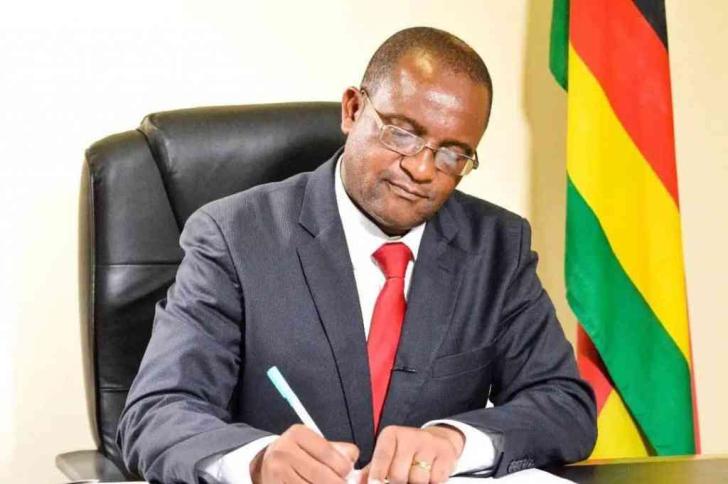
MDC-T president Douglas Mwonzora has accused retired Chief Justice Luke Malaba of leaving Zimbabwe's judiciary weakened, particularly in the handling of politically sensitive cases involving opposition figures.
Mwonzora said Malaba's tenure was characterised by the alleged denial of bail to opposition politicians and what he described as the unlawful incarceration of political actors. His remarks came shortly after Malaba officially retired following a long tenure at the helm of the judiciary.
Malaba's retirement was marked by a special sitting of the Constitutional Court held in his honour, although access for media was reportedly restricted.
His departure follows a controversial extension of his term five years earlier, effected through a constitutional amendment initiated by President Emmerson Mnangagwa. The move triggered legal and political debate, with critics arguing it undermined judicial independence.
Speaking outside the court, Mwonzora acknowledged Malaba's earlier judicial contributions but said his later years in office were defined by politically charged rulings that eroded confidence in the lower courts.
"He leaves a very divided Judiciary, particularly in the magistrates' courts," Mwonzora said, adding that bail was frequently denied in cases involving opposition politicians despite constitutional guarantees.
He cited cases such as that of former minister Walter Mzembi, who spent extended periods on remand before eventual acquittal, as evidence of systemic issues.
Mwonzora further argued that the judiciary leadership should actively intervene where lower courts are perceived to be delivering unjust outcomes, particularly regarding bail applications.
He also distanced himself from the constitutional amendment used to extend Malaba's term, saying he had opposed the move during parliamentary processes.
Former opposition leader Nelson Chamisa also weighed in, criticising the extension of judicial tenure and warning against prolonged occupancy of high office without renewal mechanisms.
However, constitutional law expert Professor Lovemore Madhuku defended Malaba's record, praising his jurisprudence and institutional reforms. He said many landmark Constitutional Court judgments under the 2013 Constitution were authored under Malaba's leadership and would remain influential.
In his farewell remarks, Malaba expressed gratitude for his service, describing the role as demanding but honourable.
"The burdens have been heavy, but they have been carried in service of a noble constitutional mandate," he said.
Meanwhile, President Mnangagwa has appointed Justice Elizabeth Gwaunza as the new Chief Justice, making her the first woman to hold the position since independence in 1980. She will be deputised by Justice Paddington Garwe, with the appointments taking effect immediately.
Mwonzora said Malaba's tenure was characterised by the alleged denial of bail to opposition politicians and what he described as the unlawful incarceration of political actors. His remarks came shortly after Malaba officially retired following a long tenure at the helm of the judiciary.
Malaba's retirement was marked by a special sitting of the Constitutional Court held in his honour, although access for media was reportedly restricted.
His departure follows a controversial extension of his term five years earlier, effected through a constitutional amendment initiated by President Emmerson Mnangagwa. The move triggered legal and political debate, with critics arguing it undermined judicial independence.
Speaking outside the court, Mwonzora acknowledged Malaba's earlier judicial contributions but said his later years in office were defined by politically charged rulings that eroded confidence in the lower courts.
"He leaves a very divided Judiciary, particularly in the magistrates' courts," Mwonzora said, adding that bail was frequently denied in cases involving opposition politicians despite constitutional guarantees.
He cited cases such as that of former minister Walter Mzembi, who spent extended periods on remand before eventual acquittal, as evidence of systemic issues.
He also distanced himself from the constitutional amendment used to extend Malaba's term, saying he had opposed the move during parliamentary processes.
Former opposition leader Nelson Chamisa also weighed in, criticising the extension of judicial tenure and warning against prolonged occupancy of high office without renewal mechanisms.
However, constitutional law expert Professor Lovemore Madhuku defended Malaba's record, praising his jurisprudence and institutional reforms. He said many landmark Constitutional Court judgments under the 2013 Constitution were authored under Malaba's leadership and would remain influential.
In his farewell remarks, Malaba expressed gratitude for his service, describing the role as demanding but honourable.
"The burdens have been heavy, but they have been carried in service of a noble constitutional mandate," he said.
Meanwhile, President Mnangagwa has appointed Justice Elizabeth Gwaunza as the new Chief Justice, making her the first woman to hold the position since independence in 1980. She will be deputised by Justice Paddington Garwe, with the appointments taking effect immediately.
Source - newsday
Join the discussion
Loading comments…





