News / National
Mnangagwa secret trip mystery deepens
17 May 2026 at 15:21hrs |
2199 Views
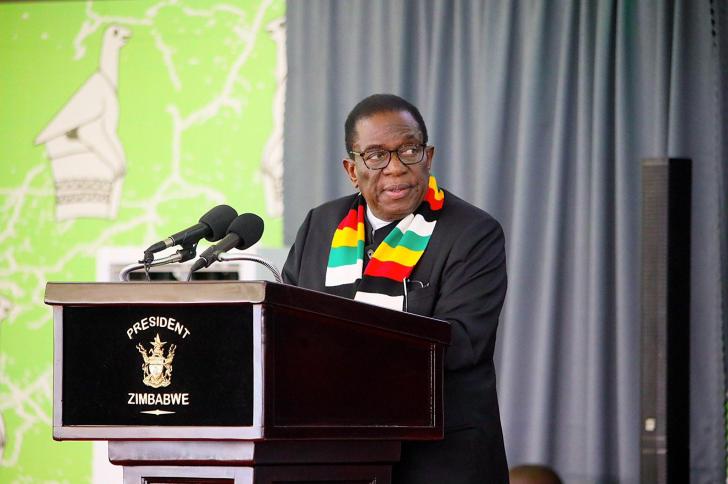
A "secretive" foreign trip by Zimbabwean President Emmerson Mnangagwa to Belarus has triggered speculation within government and the ruling Zanu-PF party amid growing succession tensions ahead of the 2028 elections.
Mnangagwa reportedly left Zimbabwe earlier this week without the usual airport send-off by vice presidents and Cabinet ministers, while authorities also did not publicly announce the appointment of an acting president.
For several days, government remained silent about the President's whereabouts until Belarusian media outlets published photographs on Friday showing Mnangagwa meeting Belarus President Aleksandr Lukashenko in Minsk.
Belarus state media outlet BelTA later confirmed that Mnangagwa was in Belarus on a short working visit involving high-level discussions focused on bilateral cooperation and implementation of a strategic partnership roadmap covering 2026 to 2030.
According to reports, Lukashenko reaffirmed Belarus' interest in expanding joint projects with Zimbabwe and other African countries.
Former Speaker of Parliament Lovemore Moyo criticised the handling of the visit, saying any private trip involving a sitting head of state raised constitutional and diplomatic concerns if official agreements were discussed.
"I think it is wrong, and diplomatically wrong as well, that you have a whole head of state undertaking a private visit when he is not on leave," Moyo told The Standard.
"One would appreciate a private visit when the president is officially on leave."
Moyo argued that a president travelling privately could not legitimately enter into bilateral agreements binding on the state.
Academic and political analyst Ibbo Mandaza described the trip as "amazing" though not entirely surprising, linking it to broader trends among post-independence African leaders.
Australia-based analyst Reason Wafawarova questioned the secrecy surrounding the visit, saying the public had a right to know where the head of state was travelling and what agreements might be discussed.
"In any functioning democracy, especially in a country facing serious economic and governance challenges, the public has a legitimate interest in knowing where the head of state is, why he is there, who accompanies him, and what agreements or commitments are being discussed on behalf of the country," he said.
Political analyst Pride Nkomo also criticised the lack of communication surrounding the visit.
"Good governance and state procedures require that it be announced when the president travels outside the country so necessary arrangements are made for an acting president," he said.
Former MP Abednico Bhebhe suggested the silence could indicate the trip was unofficial or personal in nature.
"Governments make short, low-profile trips for medical, personal, or health reasons that aren't announced if they don't involve state business," Bhebhe said.
"The lack of a statement would be consistent with that."
A senior Zanu-PF official, quoted anonymously, also questioned the departure from established protocol, saying even former President Robert Mugabe had continued to observe formal procedures during his time in office.
The controversy comes as succession politics intensify within Zanu-PF. Mnangagwa's allies are reportedly pushing for constitutional amendments that could extend his stay in office beyond 2028, a move widely viewed as an attempt to block Vice President Constantino Chiwenga from succeeding him.
The proposed amendments have drawn criticism from opposition parties, civil society groups and sections of the ruling party itself, deepening tensions over Zimbabwe's political future.
Mnangagwa reportedly left Zimbabwe earlier this week without the usual airport send-off by vice presidents and Cabinet ministers, while authorities also did not publicly announce the appointment of an acting president.
For several days, government remained silent about the President's whereabouts until Belarusian media outlets published photographs on Friday showing Mnangagwa meeting Belarus President Aleksandr Lukashenko in Minsk.
Belarus state media outlet BelTA later confirmed that Mnangagwa was in Belarus on a short working visit involving high-level discussions focused on bilateral cooperation and implementation of a strategic partnership roadmap covering 2026 to 2030.
According to reports, Lukashenko reaffirmed Belarus' interest in expanding joint projects with Zimbabwe and other African countries.
Former Speaker of Parliament Lovemore Moyo criticised the handling of the visit, saying any private trip involving a sitting head of state raised constitutional and diplomatic concerns if official agreements were discussed.
"I think it is wrong, and diplomatically wrong as well, that you have a whole head of state undertaking a private visit when he is not on leave," Moyo told The Standard.
"One would appreciate a private visit when the president is officially on leave."
Moyo argued that a president travelling privately could not legitimately enter into bilateral agreements binding on the state.
Academic and political analyst Ibbo Mandaza described the trip as "amazing" though not entirely surprising, linking it to broader trends among post-independence African leaders.
Australia-based analyst Reason Wafawarova questioned the secrecy surrounding the visit, saying the public had a right to know where the head of state was travelling and what agreements might be discussed.
"In any functioning democracy, especially in a country facing serious economic and governance challenges, the public has a legitimate interest in knowing where the head of state is, why he is there, who accompanies him, and what agreements or commitments are being discussed on behalf of the country," he said.
Political analyst Pride Nkomo also criticised the lack of communication surrounding the visit.
"Good governance and state procedures require that it be announced when the president travels outside the country so necessary arrangements are made for an acting president," he said.
Former MP Abednico Bhebhe suggested the silence could indicate the trip was unofficial or personal in nature.
"Governments make short, low-profile trips for medical, personal, or health reasons that aren't announced if they don't involve state business," Bhebhe said.
"The lack of a statement would be consistent with that."
A senior Zanu-PF official, quoted anonymously, also questioned the departure from established protocol, saying even former President Robert Mugabe had continued to observe formal procedures during his time in office.
The controversy comes as succession politics intensify within Zanu-PF. Mnangagwa's allies are reportedly pushing for constitutional amendments that could extend his stay in office beyond 2028, a move widely viewed as an attempt to block Vice President Constantino Chiwenga from succeeding him.
The proposed amendments have drawn criticism from opposition parties, civil society groups and sections of the ruling party itself, deepening tensions over Zimbabwe's political future.
Source - Southern Eye
Join the discussion
Loading comments…





